- $2,419+0.3%Zillow Observed Rent Index (city) · 2026-0895th cheapest of 106 cities
- $649k−0.5%FRED / realtor.com · 2026-0892nd cheapest of 103 cities
- $559k+0.1%Zillow Home Value Index (city) · 2026-0890th cheapest of 105 cities
- 2.5%+0.2 ptBLS Local Area Unemployment Statistics · 2026-072nd lowest of 106 cities
- AQI 33GoodAirNow · 09/25/2615th cleanest of 105 cities
- $4.41±0AAA · 2026-09-2659th cheapest of 101 cities
Locals’ verdict2 locals scored cost, weather, jobs, people and safety; where Portland, Maine stands on our rankings
The percentage shows at 10 votes.
Living in Portland, Maine
Easy-Going Locals
Locals in Portland, Maine, are known for their easy-going and friendly nature. This aligns with the atmosphere of the city, which combines a small-town feel with (some of) the amenities of a bigger city.
It’s not uncommon for locals to be described as welcoming (greeting strangers with a quick hello!).
In Portland, life is about enjoying the small things – whether it’s a sunset over the harbor, a fresh lobster roll, or a chat with a friendly neighbor. As such, locals tend to give off an easy-going and relaxed vibe.
It’s a city that effortlessly combines the charm of a small town living with a slower pace to daily life.
Perfect Summers
The Pine Tree State is known for brutal winter (a well-warranted reputation, I assure you) but the trade off is perfect summers that can’t be beat.
The average highs in the summer range between 78°F (daytime) and 66°F (evening). Between the cooler temperatures and lack of humidity, you won’t have need for an A/C while living in Maine (which brings down the electricity bill substantially).
Imagine living in a place where you can enjoy the great outdoors without needing to run inside for AC every five minutes? Or jumping into the shower whenever you come home because of the humidity.
It’s a good thing that summers in Maine are so perfect because there’s plenty to explore outdoors, which brings me to my next point.
The Small Town Community Vibes
If you’ve ever visited Portland (while exploring the fall foliage in New England), you’ll know that the city is no stranger to charming small town vibes.
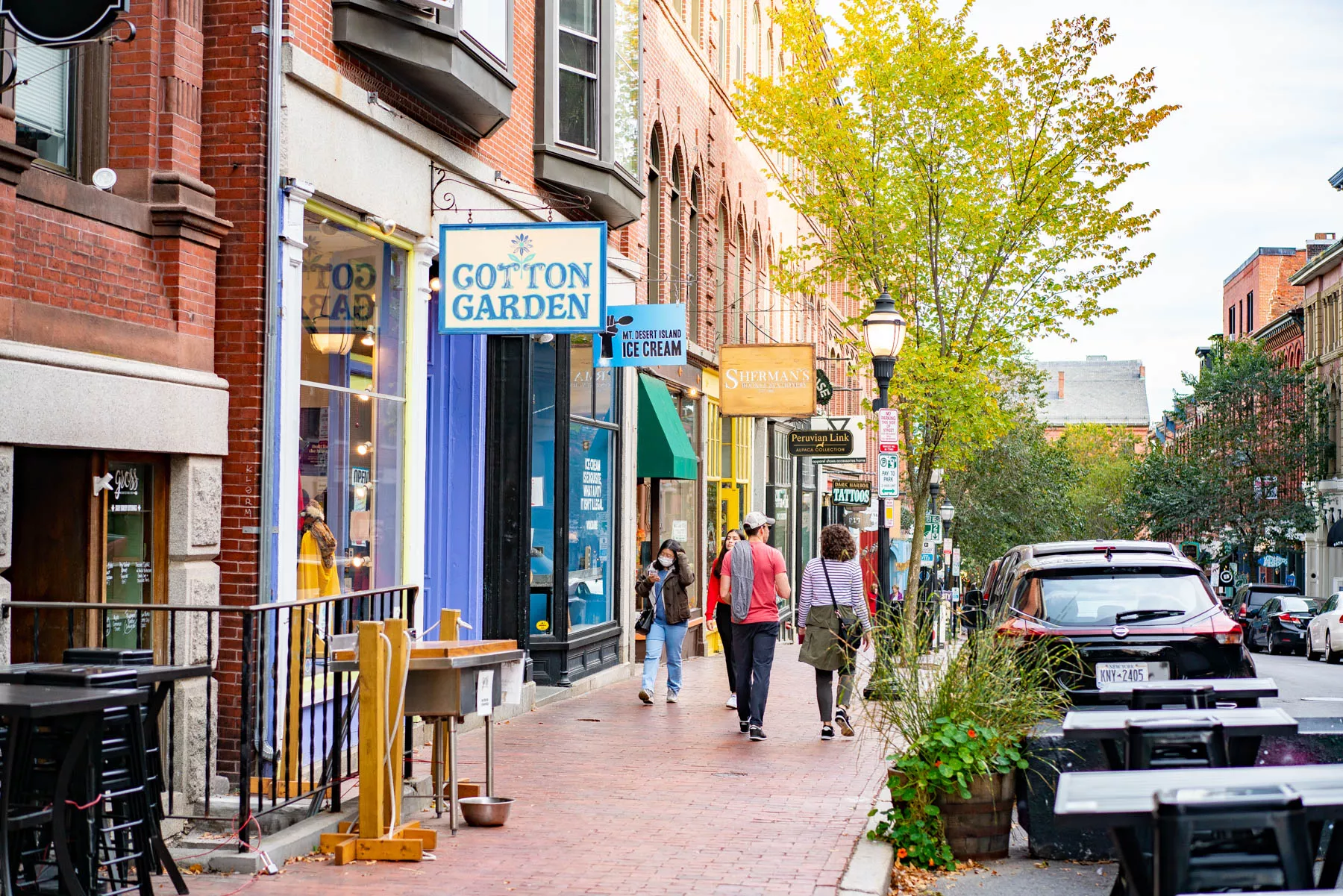
Characterized by close-knit and friendly neighborhoods, This sense of community is bolstered by local events, farmers’ markets, and gatherings that foster connections.
The city’s manageable size (population of 66K) allows for stronger relationships, and there’s a common appreciation for the arts, local businesses, and the natural beauty surrounding the area. This creates a welcoming and inclusive atmosphere, making Portland feel like a cozy, connected community.
The Food Scene
Named the “Foodiest Small Town in America” by Bon Appétit, there’s more than 300 restaurants in town.
The local cuisine is arguably one of the best things about living in Portland, Maine. Fishing culture is huge and locals can’t help but benefit, our seafood is some of the best in the nation.
Agree or disagree? Let us know your experience in the comments below.
But our cuisine doesn’t stop at seafood, not at all.
Maine is known for sustainable farming practices that produce local and fresh vegetables seasonally. Pay a visit to Portland, Maine and see what all the fuss is about (those restaurants can hold their own against bigger cities like New York and Boston).
My friends like to joke that the perk of living in Maine is having access to fine dinning food and regular-people prices and I can’t say I disagree. Seafood is always expensive, but the prices in Maine seem par for the course when considering quality.
Oh, and don’t even get me started on real maple syrup, you can’t go back to the other stuff afterwards. There’s no denying that Portland’s restaurant scene punches above its weight class.
Named a top food city by Bon Appetit. Among the highest restaurant-per-capita ratios in the US.
Portland, Maine has more restaurants per capita than almost any US city. The seafood (especially lobster) is the obvious draw, but the farm-to-table and craft cocktail scenes are nationally recognized.

Portland is an Outdoor Lover’s Paradise
Portland isn’t just postcard-pretty; it’s a playground for nature lovers. With access to Casco Bay and nearby trails, it’s a haven for those who love the great outdoors.
Scenic Beauty: Portland is known for its picturesque landscapes. It’s surrounded by 70% forested area, contributing to Maine being the most forested state in the U.S.
“Outdoor Adventures: Maine’s state parks attracted over 3 million visitors in recent years, highlighting the state’s appeal for outdoor enthusiasts.”
Maine is a beautiful state
Something folks don’t realize until moving to Maine is how rural most of the state truly is. In fact, 90% of the state is forested! Most of the beauty in Maine (in my opinion) is reserved for the breathtaking lakes, coastline and forests.
We have a handful of mountains as well, but with the tallest peak capping out at nearly 5,600 feet, you can’t mistake us for a mountainous state. However, what we lack in mountains, we make up for in breathtaking coastline.
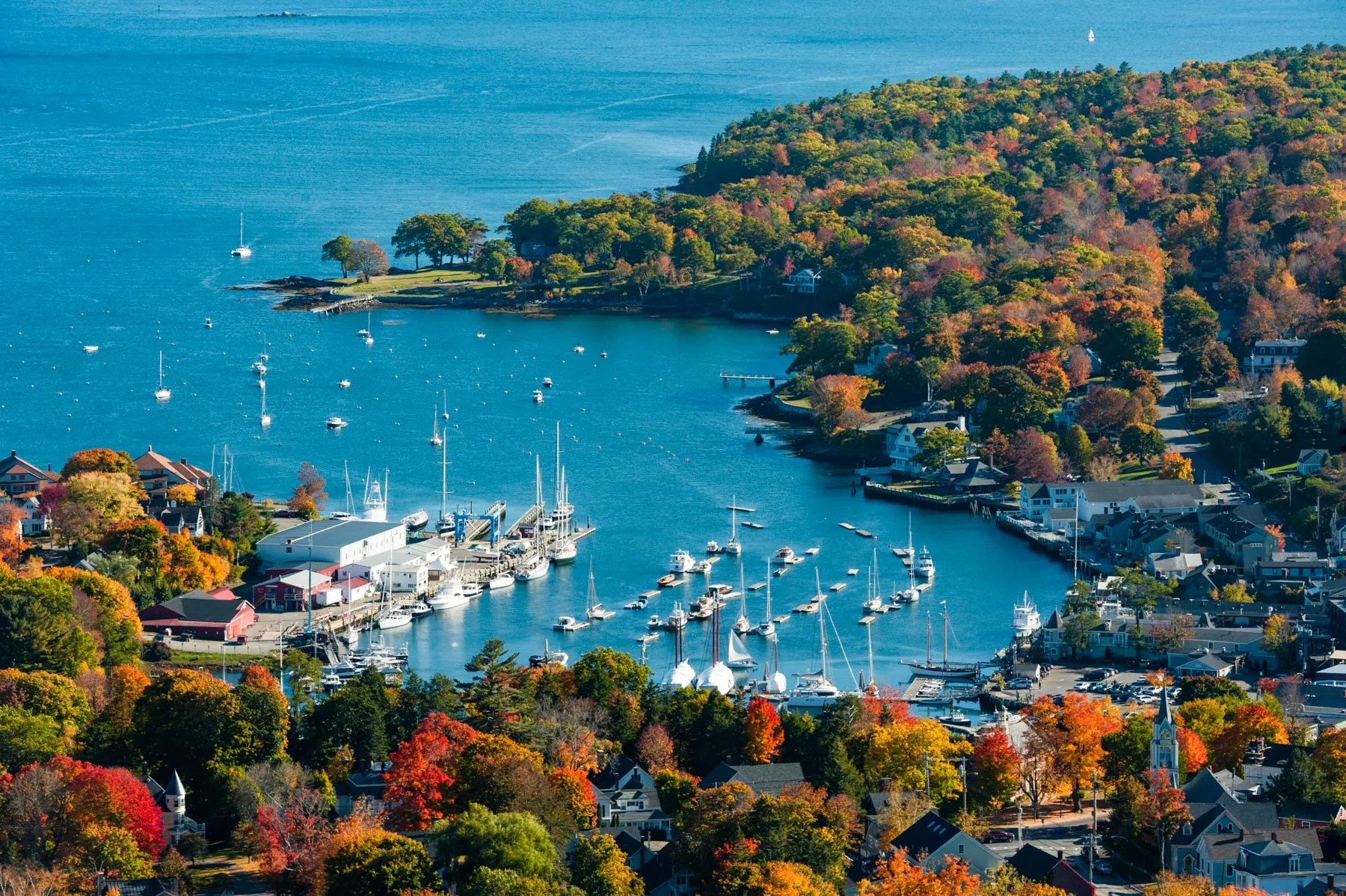
Maine has the fourth most coastline of any state in the country. Spanning nearly 3,500 miles, the state has more than 4,600 islands (imagine!). There’s never a shortage of dramatic cliffsides to explore, epic hikes to be had and panoramic sunset views while living in Maine.
And because most of the state is rural, crowds aren’t that common (outside of Acadia National Park, of course). one of the perks of living in Maine is being able to find solitude in nature and thankfully, there’s plenty of it.
Tell the next person the thing the guide misses.
Portland, Maine at a Glance
| Population | 70,000 |
| Median Home Price | $470,000 (14% above national avg) |
| Median Household Income | $68,000 |
| Unemployment Rate | 3.0% |
| Cost of Living Index | 115 (100 = national avg) |
Lack of Job Opportunities
While Portland, Maine has a lot of great things going for it, there’s one sector it doesn’t thrive in: job opportunities.
Simply put, the city has a smaller job market compared to larger cities. This limited job market is often due to geographical location and size.
The city’s economy is strong in certain sectors like healthcare, education, and tourism, but may offer fewer opportunities in industries like technology or manufacturing. Which means we aren’t necessarily attracting tech-centered millennials the way other cities might.
This can pose a challenge for individuals seeking a wide range of employment options or specific career paths.
Portland’s economy is heavily seasonal. Summer tourism and the service industry drive a lot of employment, but winter brings a significant slowdown and limited professional options.
Lack of Big City Amenities
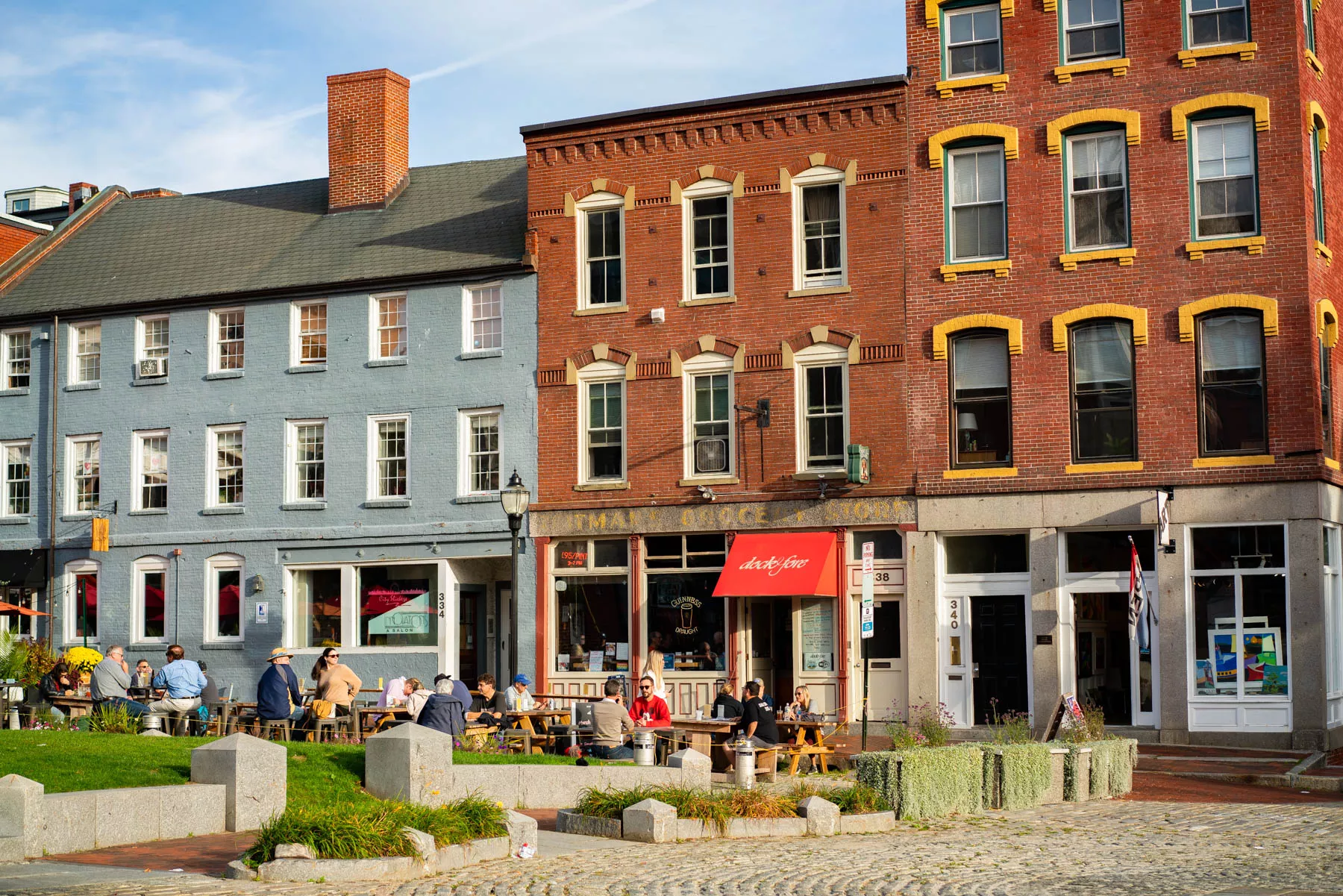
Portland is a fun place to visit because there’s plenty to do (and eat!) over a short period of time. But long term? Well, you’ll get used to the “same old, same old” pretty quickly.
Things close early, the airport is small and you’ll find yourself visiting the same restaurants on repeat. However, the access to great nature makes up for the lack of city amenities, so to each their own!
Brutal Winters
Let’s be real – winters can be tough. If you’re not a fan of snow and cold, you might reconsider moving to Portland, Maine.
Winters in Portland, Maine, are known for being cold and long. The city experiences a significant amount of snowfall, with winter temperatures often dropping below freezing.
Despite the chilly weather, the winter season also brings picturesque snow-covered landscapes and opportunities for winter sports and activities. Lifelong locals have adapted to these conditions, with efficient snow removal and a culture that embraces the winter season.
However, the cold and snowy winters can be a challenge for those not accustomed to the blistering cold.
62 inches of snow per year. Nor’easters are brutal. Wind chills below zero are regular.
Portland averages 62 inches of snow per year. January temperatures regularly drop into the single digits. The cold and darkness from November through March are the main reasons people leave.
Retiring in Portland, Maine
Is Portland (Maine) a good place to retire?
Portland, Maine, can be an attractive retirement destination for several reasons. Its scenic beauty, with access to both the ocean and forests, offers a serene environment.
The city’s active art and culture scene, including museums and galleries, provides enriching activities. Additionally, Portland’s reputation as a foodie paradise, with varied and high-quality cuisine, especially seafood, enhances the food scene for retirees.
However, You should consider factors like the cost of living, which can be higher than in other areas, and the cold, snowy winters. These elements make Portland a mixed but potentially appealing choice for retirement, depending on personal preferences and lifestyle.
Is Portland, Maine a good place to live?
Portland, Maine, is generally considered a good place to live due to its scenic beauty, active art and culture scene, and varied food options. The city offers a unique blend of urban amenities and natural landscapes, appealing to those who enjoy both city life and outdoor activities.
However, factors like the higher cost of living and cold winters may be drawbacks for some. The quality of life in Portland largely depends on personal preferences and lifestyle choices.
Related reading:
- 10 HONEST Pros & Cons of Living in Maine
- 20 Honest Comparisons: Portland, Oregon Vs. Austin, Texas
- 12 Things to Know About Living in Seattle Vs. Portland
List of the Pros & Cons of Living in Portland, Maine (Post Summary)
In sum, here’s a list of the pros and cons of living in Portland, Maine for 2026.
- Easy-Going Locals
- Perfect Summers
- The Small Town Community Vibes
- The Food Scene
- Portland is an Outdoor Lover’s Paradise
- Maine is a beautiful state
- Lack of Job Opportunities
- Lack of Big City Amenities
- Brutal Winters
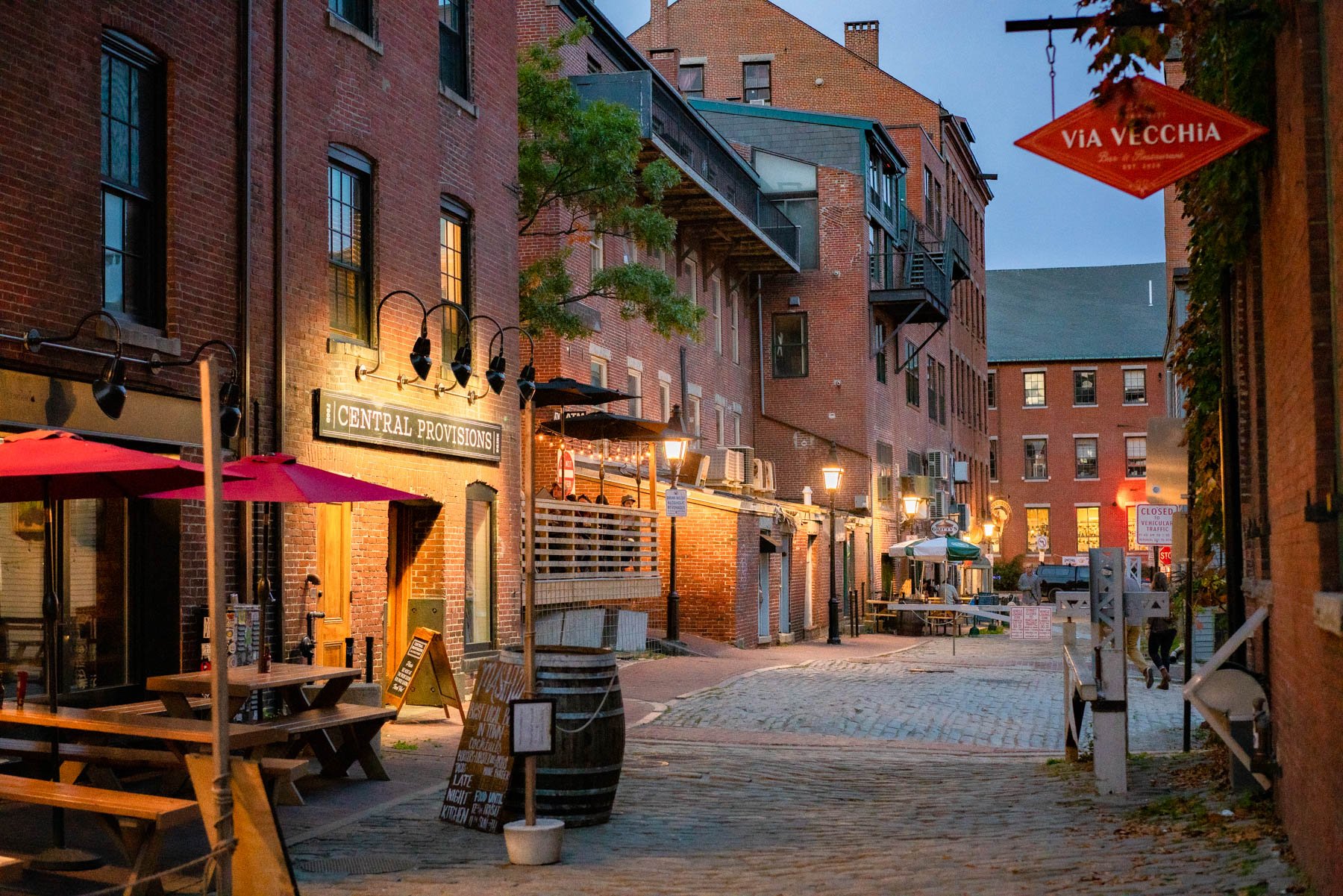
Portland, Maine is one of the best small cities in the country for food, beer, and waterfront living. The Old Port is charming without being theme-park fake. The restaurant scene punches far above its weight for a city of 68,000. The ocean access is real and immediate. The arts and music scenes are surprisingly vibrant. The downsides: the winters are long, dark, and cold. Housing has gotten expensive as remote workers and retirees have moved in, pricing out locals. The job market outside of hospitality, healthcare, and small business is limited. And it is small, which means you will run into everyone you know at the grocery store. If that sounds like a feature rather than a bug, Portland might be your place.
Portland, Maine has gotten expensive, largely driven by an influx of remote workers and people escaping bigger cities. The median home price is around $500,000, and rents for a one-bedroom average $1,800 to $2,200. The Old Port and West End are the priciest. Deering Center and Munjoy Hill offer slightly more range. The surrounding towns (South Portland, Westbrook, Scarborough) are more affordable but prices have crept up there too. Maine state income tax ranges from 5.8 to 7.15%, and property taxes are among the highest in the country. Groceries are above average, and heating costs in winter are significant. The cost of living was once Portland’s selling point over Boston, but the gap is narrowing.
The winters are long. Really long. From November through April, you are dealing with cold, snow, ice, and limited daylight. Seasonal affective disorder is something a lot of transplants deal with, so plan for it (vitamin D, light therapy, winter activities). The city is walkable in the core areas but a car is necessary for anything beyond the peninsula. Route 295 and 95 are the main arteries, and summer tourist traffic (particularly July and August) can be maddening on coastal roads. The social scene is tight-knit, and it takes time to break in. Mainers are friendly but not immediately warm with newcomers. Join a local group, volunteer, become a regular somewhere. Housing inventory is low, so start looking early if you are buying. And be aware that while the food scene is amazing, everything closes earlier than you expect. Portland runs on restaurant-industry hours, not big-city hours.
- What did the guide get wrong about Portland, Maine?
- What does it actually cost you to live here this year?
- What would you tell someone arriving from out of state?