Article Overview: A List of the Pros & Cons of Living in Florida (From a Local’s Perspective)
Are you considering moving to Florida? You’re in the right place. With a population now surpassing 23.4 million people, it’s safe to say that Florida is a great place to live (it feels like paradise!). But is it really all sunshine and roses? That depends on who you ask, and we want to hear YOUR take.
My name is Tony and I moved to Florida in 2013 because I was looking for change. I intended to stay in the Sunshine State for 3-5 years yet recently found myself celebrating over 13 years here. Yeah, Florida has a way of doing that to people.
I thought it’d be helpful to draft up a quick list of the pros and cons of living in Florida for anyone considering a similar move.

The Pros & Cons of Living in Florida
Table of Contents: Living in Florida
- The Benefits of Living in Florida
- #1. Reduced Tax Burden
- #2. Mild Winters
- #3. Florida is a Coveted Vacation Destination
- #4. Florida is varied
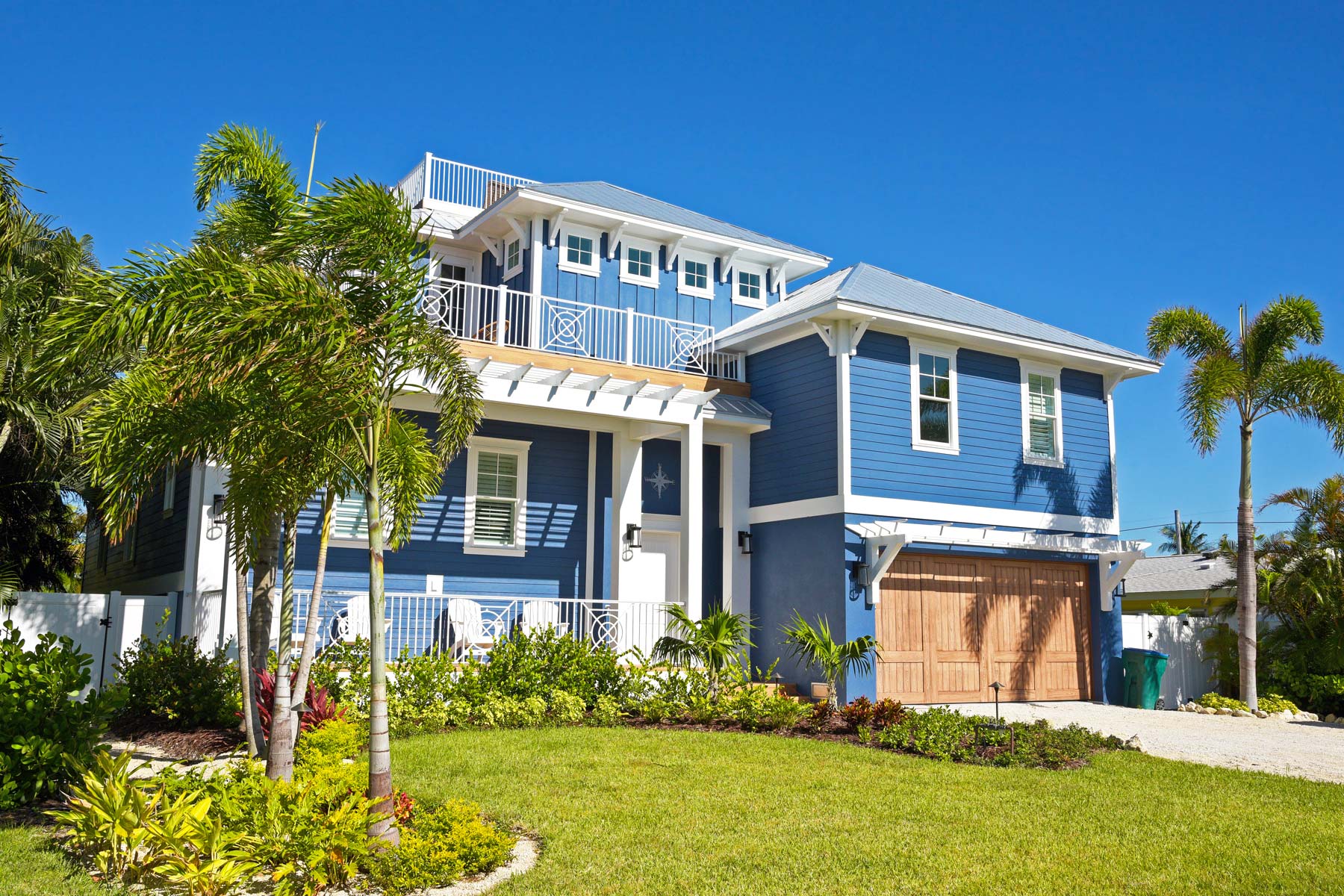
- #5. Affordable Housing
- #6. Strong Job Market
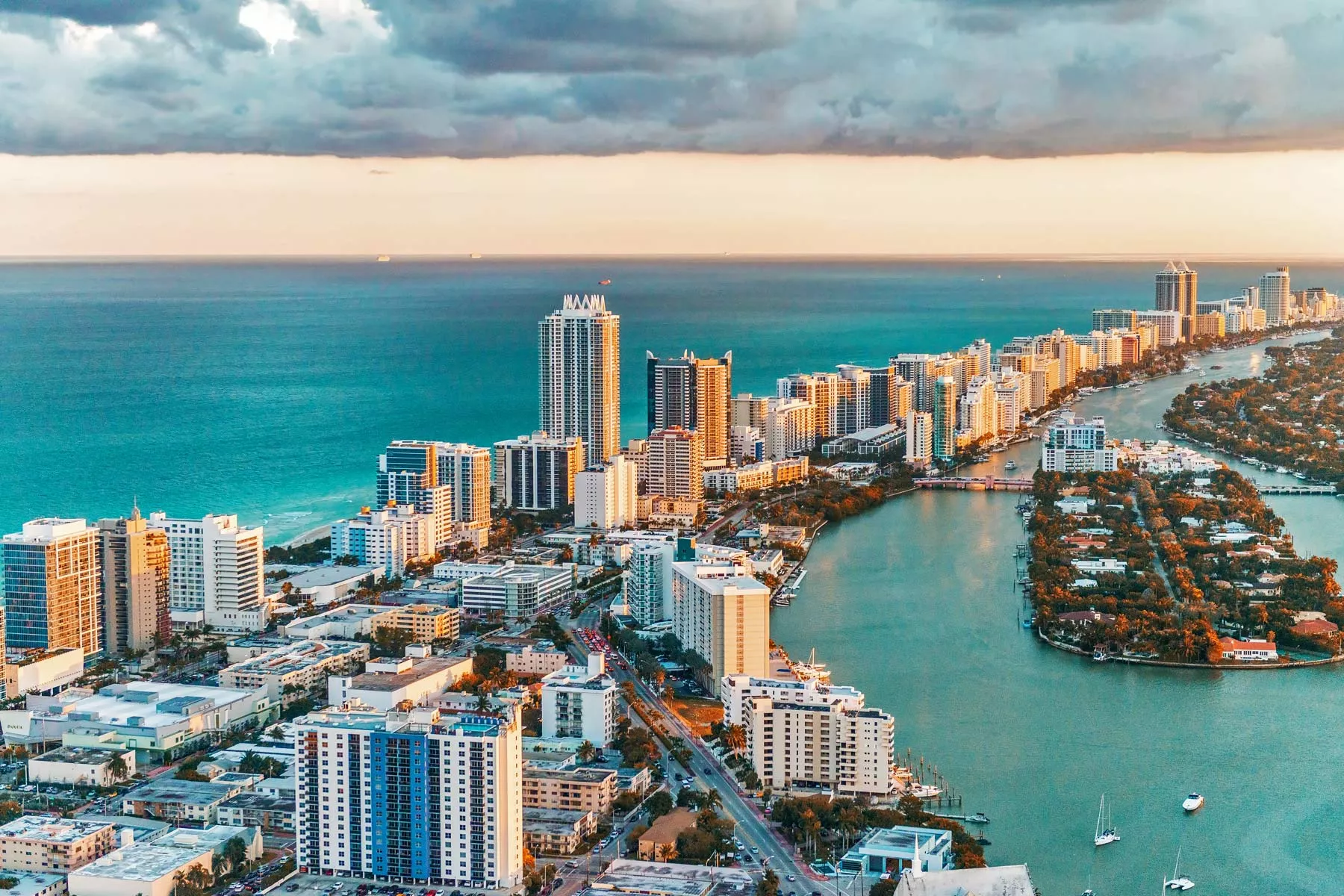
- #7. Daily Access to the Beach
- #8. Great Sports Culture
- #9. There’s Always Something Going On
- #10. Water-Centered Outdoor Recreation
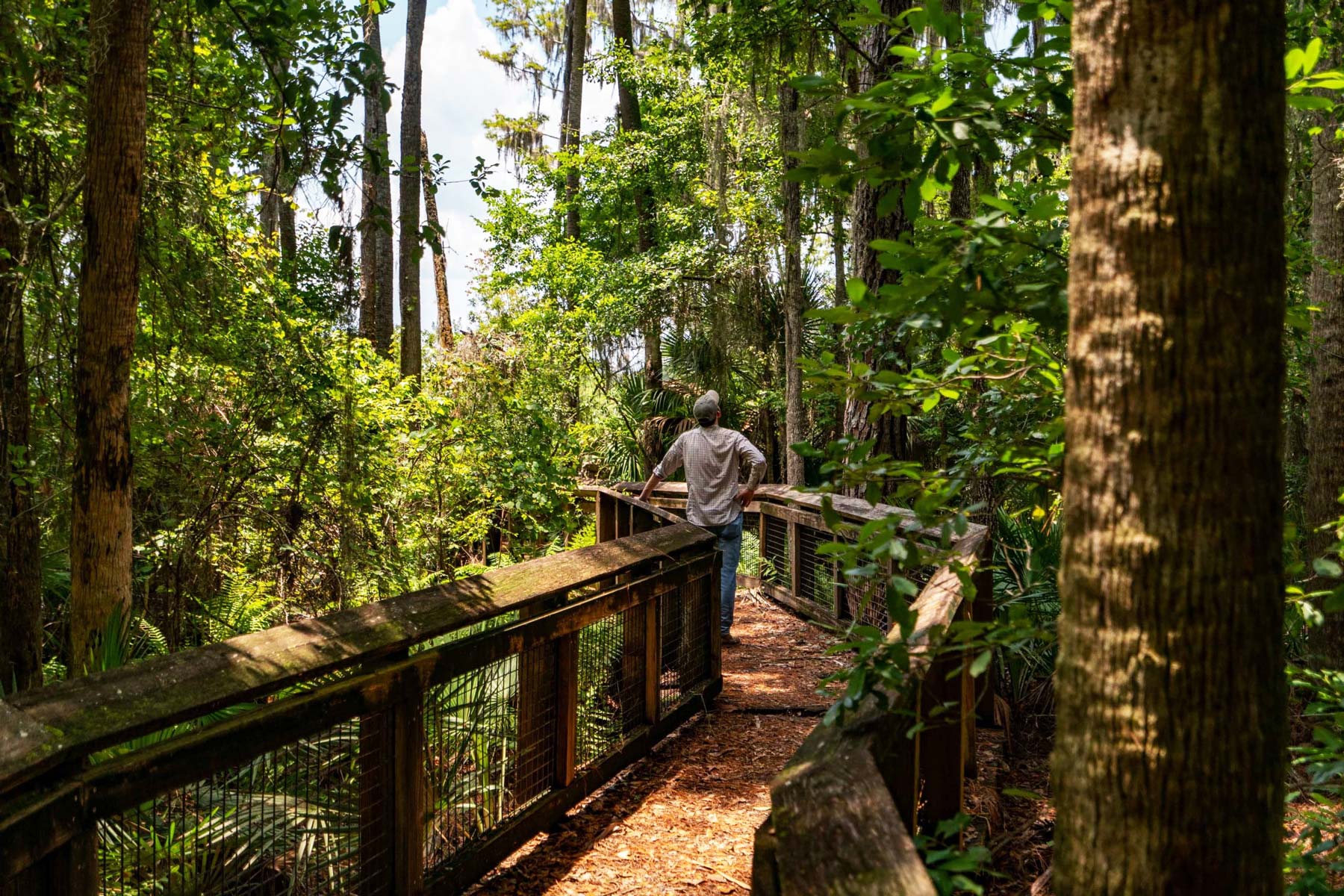
- #11. Stunning Natural Wonders
- #12. Growing Produce is a Breeze
- Disadvantages of Moving to Florida
- Retiring in Florida (FAQ)
- Interesting Tidbits About Florida
- Things to Know About Living in Florida (Post Summary)
- Compare the Pros vs the Cons of Living in Florida
- Map of Florida
Note: As long time readers of this website will know, the real gold is in the comments. We pride ourselves on creating honest lists with no ulterior motive in mind (no fluff, no pitches, no BS). Scroll down to see what hundreds of Florida locals are saying and don’t be shy about adding your own perspective. We update this post regularly based on YOUR feedback. Agree or disagree? Let us know!

The Benefits of Living in Florida

#1. Reduced Tax Burden
When living in Florida you can forget about the paying any state income tax because Florida doesn’t have one. For instance, if you’re earning $50,000 a year, living in a state with an average income tax rate of 5%, you’d save about $2,500 annually just by living in Florida.
This is a perk that cannot be overstated, especially for those moving to Florida from states with an even higher income tax like Oregon or California where it goes up to 10%, depending on income.
This saving can make a big difference in your budget, allowing more room for leisure or savings. It’s one of the reasons people move here specifically to get ahead financially, whether that’s paying off debt faster or actually building savings for the first time.
PRO #1B: Florida Is a Remote Worker’s Tax Dream
This one deserves its own callout because it’s become one of the biggest reasons people are choosing Florida specifically in the last few years.
If you work remotely for a company based in California or New York, you are saving somewhere between 10 and 13 percent in state income tax just by living here instead. On a $100,000 salary, that’s $10,000 to $13,000 back in your pocket every year. That’s a car payment. That’s a vacation. That’s a meaningful chunk of a mortgage payment.
Co-working spaces have been popping up all over Tampa, St. Pete, and Miami over the last five years. The remote work infrastructure here is real now. I know people who made the move from the Bay Area or Brooklyn specifically because they did the math. Same job, same salary, no state income tax, and they’re now 20 minutes from a beach. Hard to argue with that.
#2. Mild Winters
While much of the country braces for blistering winters, the folks living in Florida find daily life mostly unchanged. That’s because mild winters are one of the biggest perks of living in Florida. The winter temperatures range from 60 to 75 degrees Fahrenheit, depending on the region.
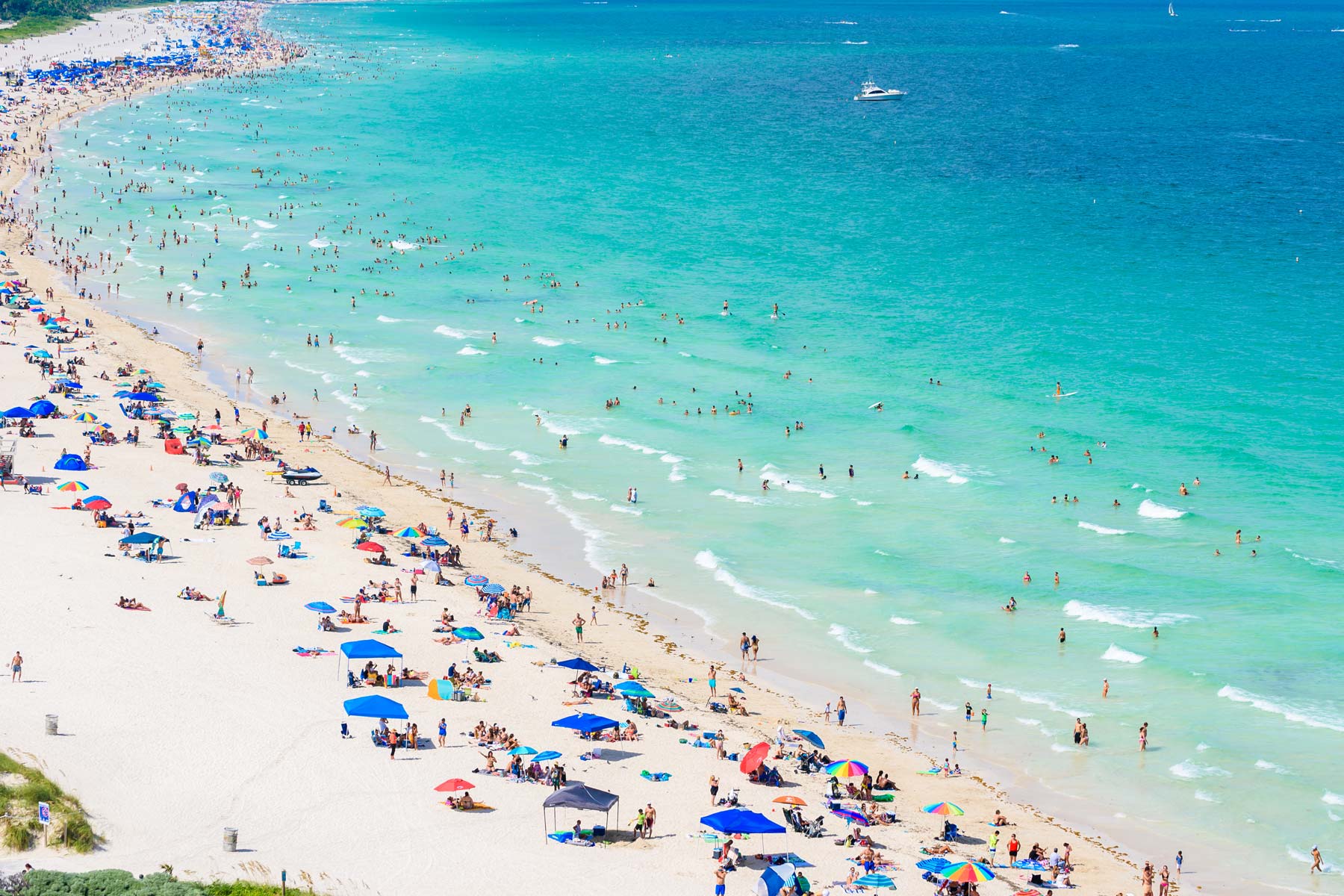
This lovely weather means you can enjoy outdoor activities like golfing, beach walks, or gardening all year round. This doesn’t even cover the biggest benefit of all: sunshine is a mood booster (those living in gray climates know what I mean).
#3. Florida is a Coveted Vacation Destination
Florida’s 1,350 miles of coastline boast some of the most stunning beaches in the U.S., attracting over 143 million visitors in 2023 alone (a record), making Florida the second most-visited state in America. Plus, it’s home to world-famous attractions like Walt Disney World and Everglades National Park, which alone attract over 20 million and 1 million visitors respectively each year.
The real perk of living in a vacation state is that you learn how to actually enjoy it without the tourist markup. You figure out which beaches to hit during the week when they’re empty. You learn the off-season timing for theme parks (September and January, you’re welcome). You get resident discounts at places that charge tourists full price. And honestly, having family and friends who always want to visit is pretty great for your social life. The sun shines for both tourists and locals, but locals know the best spots. What’s your favorite Florida under-the-radar spots that tourists don’t know about? Share it in the comments.
#4. Florida is varied
Florida is one of the most varied states in America. This is largely in part to the influx of residents from the neighboring countries. According to the U.S. Census Bureau, the state’s population is approximately 53% white, 27% Hispanic or Latino, 16% African American, and 3% Asian.
Taking it a step further, more than 20% of the population was born outside the U.S., which means the food, music, and neighborhoods are genuinely different depending on where you are in the state. From the variety of food and music to top-notch festivals and an incredible art scenes, daily life in Florida is more interesting than less varied states.
In Tampa you’ve got some of the best Cuban food in the country coming out of Ybor City. South Florida has heavy Caribbean and Haitian influence (and if you really want to go all-in on island life, check out the US Virgin Islands), from cafecito windows in Little Havana to Haitian griot in Little Haiti. Orlando has pulled in people from everywhere. You hear five languages in one grocery store trip and that’s just a Tuesday.

#5. Affordable Housing
The median home cost in Florida is around $413,000, which is right around the national average of $420,000. So, if you’re moving to Florida from a pricier state, you’ll likely still find it reasonable, though calling it “affordable” is a stretch at this point. Homeowners: how much has YOUR property value changed since you bought? Drop a comment below.
2026 Update: Florida’s housing market has cooled slightly from its pandemic-era frenzy, but prices remain elevated. After surging over 40% between 2020-2023, the market has stabilized, but don’t expect any bargains if you’re house hunting in South Florida or the Gulf Coast.
The insurance situation is the real kicker though. Homeowners insurance in Florida has become brutally expensive (we’re talking 3-4x the national average in some areas). If you’re considering buying, factor that in. That said, those moving from states like California or New York will still find Florida relatively affordable. Current Florida homeowners, what’s your insurance situation like? Are you staying or thinking about leaving? Let us know in the comments.
#6. Strong Job Market
Over the past few years, the state’s unemployment rate sits around 4.3%, roughly in line with the national average, which reflects a job market that’s normalizing after the post-pandemic boom. Tourism is the obvious one, but healthcare has exploded here as the population ages, and Tampa specifically has seen real tech and finance company growth over the last several years.
The tech scene has been growing fast, with cities like Tampa, Miami, and Orlando attracting startups and remote workers. Tourism and healthcare are still the backbone of Florida’s economy, so there’s plenty of work if you’re willing to hustle. What industry do you work in while living in Florida? Is the job market as strong as they say? Share your experience below, it really helps people who are on the fence about moving.

#7. Daily Access to the Beach
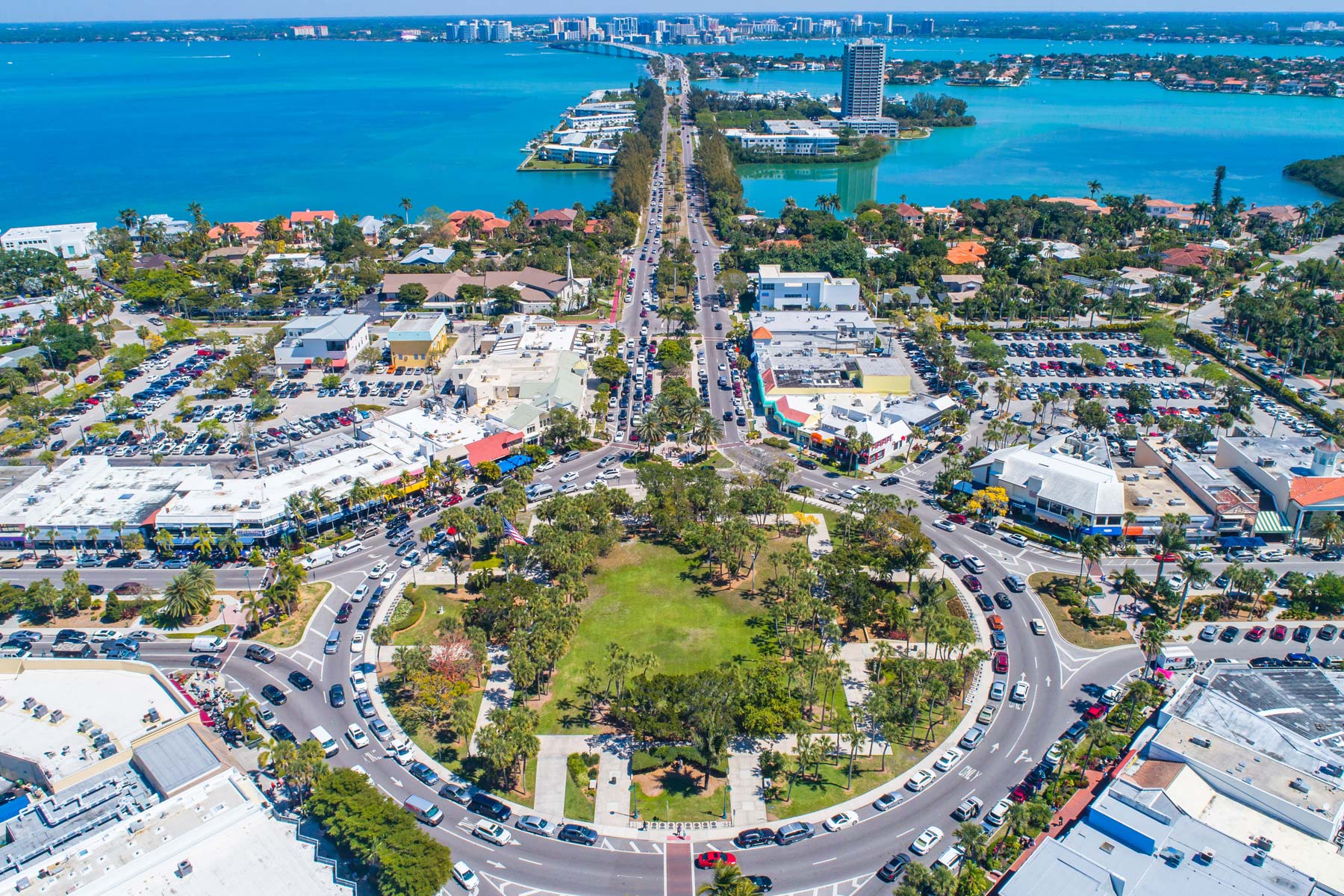
Florida’s impressive coastline (the largest in the continental US) is a big draw for folks moving to Florida. Florida has a lot of beaches, and they’re actually pretty different from each other. The Gulf side is warm, calm, and has that white sugar sand. The Atlantic side has waves, cooler water, and a different vibe entirely. Siesta Key consistently ranks as one of the best beaches in the country, and Fort De Soto near St. Pete is a local favorite that tourists mostly don’t know about. In fact, Florida beaches consistently rank as some of the best in the country.
On average, Floridians are within a 30-minute drive to the nearest beach, making it easy to incorporate a beach visit into your regular routine. This proximity to the ocean not only means unlimited leisure opportunities but also makes it easy to actually get outside and move around year-round. So, if you’ve dreamed of living by the sea then daily life in Florida is hard to beat. Gulf Coast or Atlantic side, where do you stand? This is one of those debates that gets Floridians seriously fired up. Tell us your pick in the comments!
#8. Great Sports Culture
Florida’s sports culture is a huge perk of living in the Sunshine State. Here’s a quick roundup of the sports teams you should get acquainted with before moving to Florida.
- 3 NFL (Football) Teams: Miami Dolphins, Tampa Bay Buccaneers & Jacksonville Jaguars.
- 2 NBA (Basketball) Teams: Miami Heat & the Orlando Magic.
- 2 MLB (Baseball) Teams: Miami Marlins & Tampa Bay Rays.
- Hockey: Surprisingly, Florida’s also big on ice hockey with the Tampa Bay Lightning and Florida Panthers (fresh off their 2024 Stanley Cup win, proving hockey can thrive in the tropics).
Sports culture is huge here, If you’re into college football or prefer games on a professional level, there’s never a shortage of teams to root for. If you’re not a sports fan, you’ll be missing out on a ton of social events. Locals love getting together to watch big games over brews and snacks. Make an effort to get into sports and you’ll find it easier to get into new social circles (well, that’s been the case for me, at least).
#9. There’s Always Something Going On
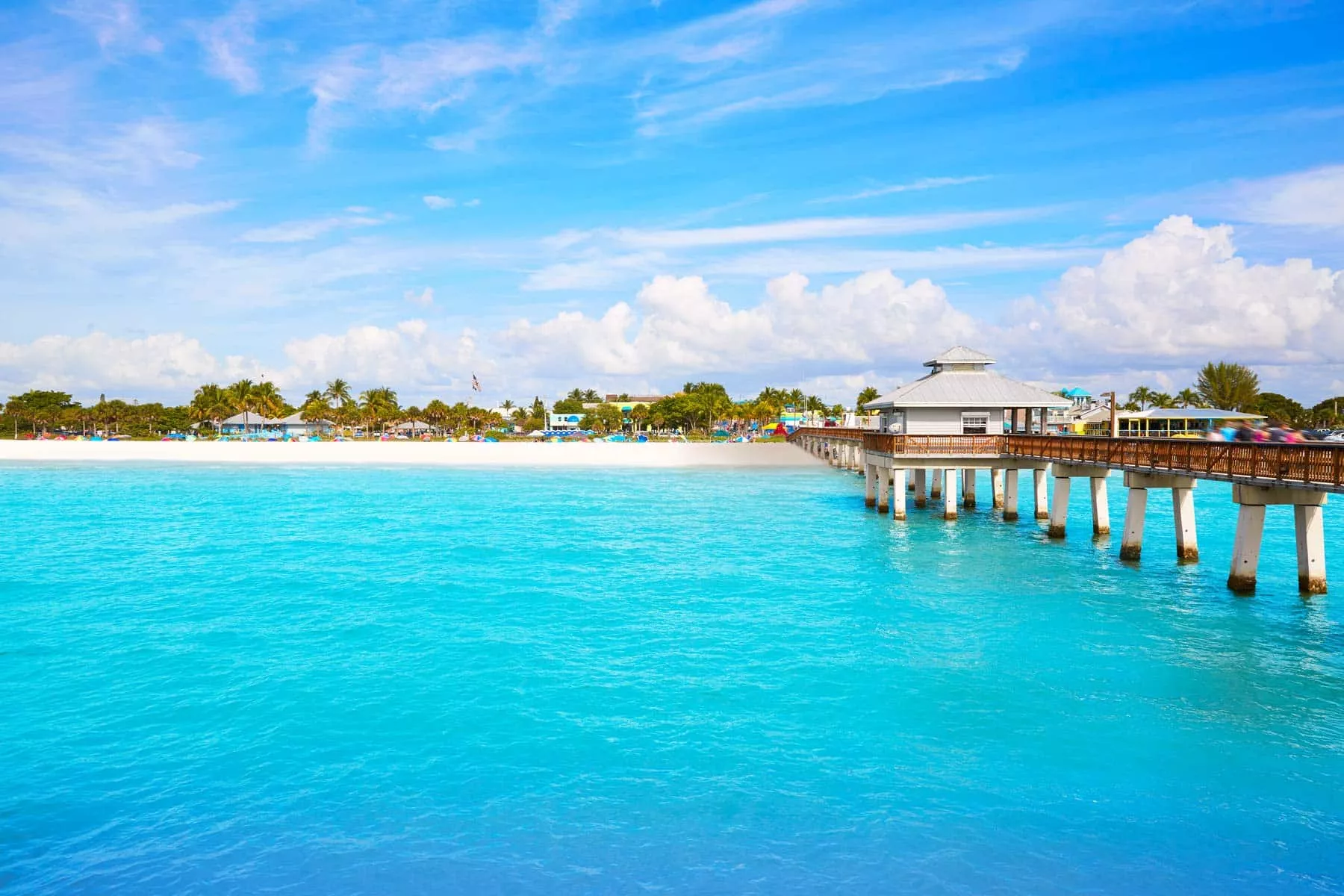
After living in Florida for over 13 years now, it feels like there’s seldom a dull moment. Gasparilla in Tampa is basically a pirate-themed excuse for the entire city to day-drink on Bayshore Boulevard, and it’s exactly as fun as that sounds. The Florida Strawberry Festival in Plant City draws over 500,000 people every year for strawberry shortcake and country music. Fantasy Fest in Key West is… something else entirely. Leave the kids at home for that one. Trust me.
The Epcot Food & Wine Festival is legitimately great if you pace yourself (spoiler: nobody paces themselves). Every city has its own thing going on, whether it’s art walks in St. Pete, First Friday events in a dozen different downtowns, or the random alligator festival in some town you’ve never heard of. On any given weekend, there’s something happening within driving distance.
#10. Water-Centered Outdoor Recreation
Sandbar culture is everything in Florida. You anchor the boat at a shallow sandbar, set up a cooler, stand waist-deep in clear water with a beer, and just exist. If you haven’t done this, you haven’t lived the Florida life yet. Boats are practically a second car for a lot of families here.
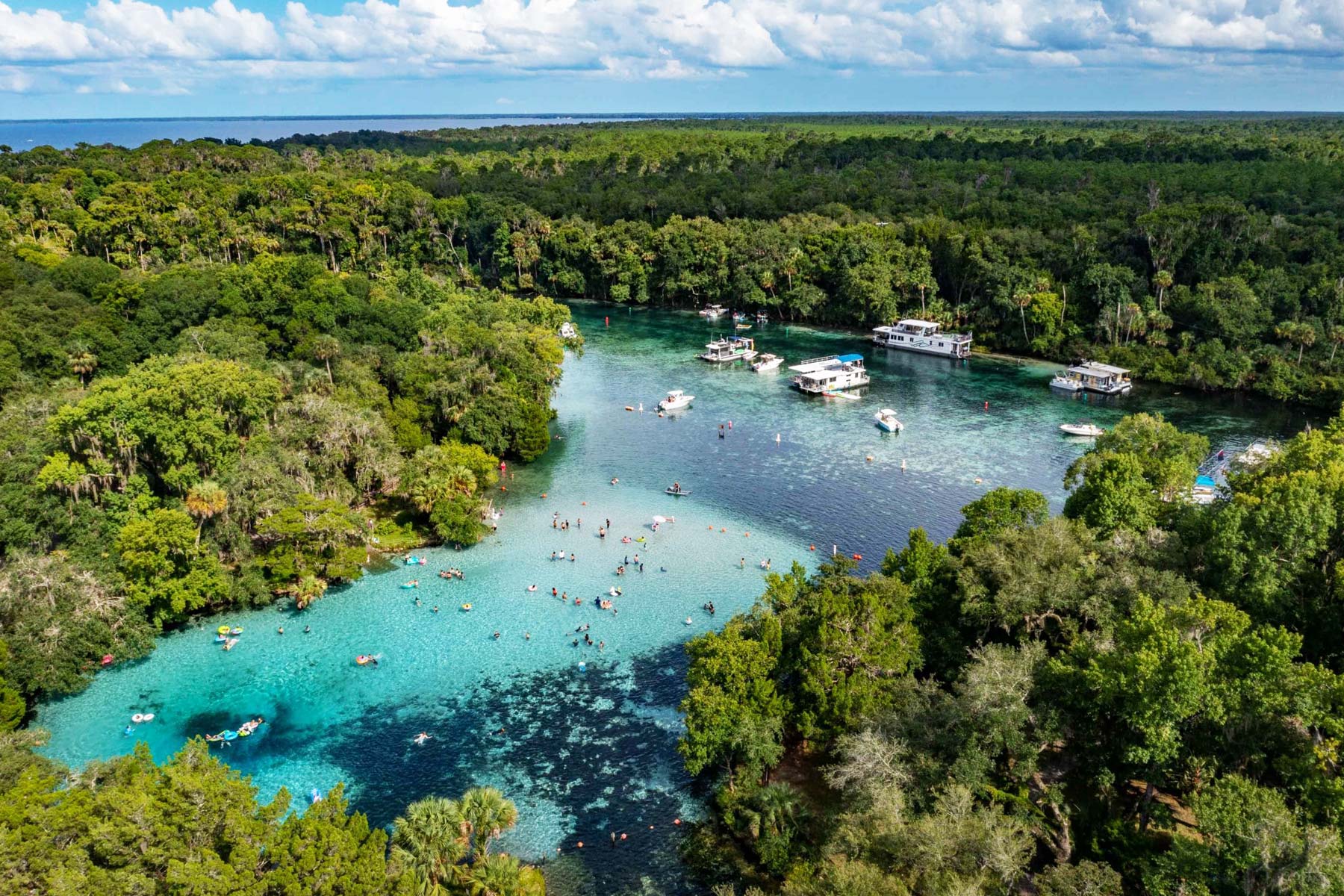
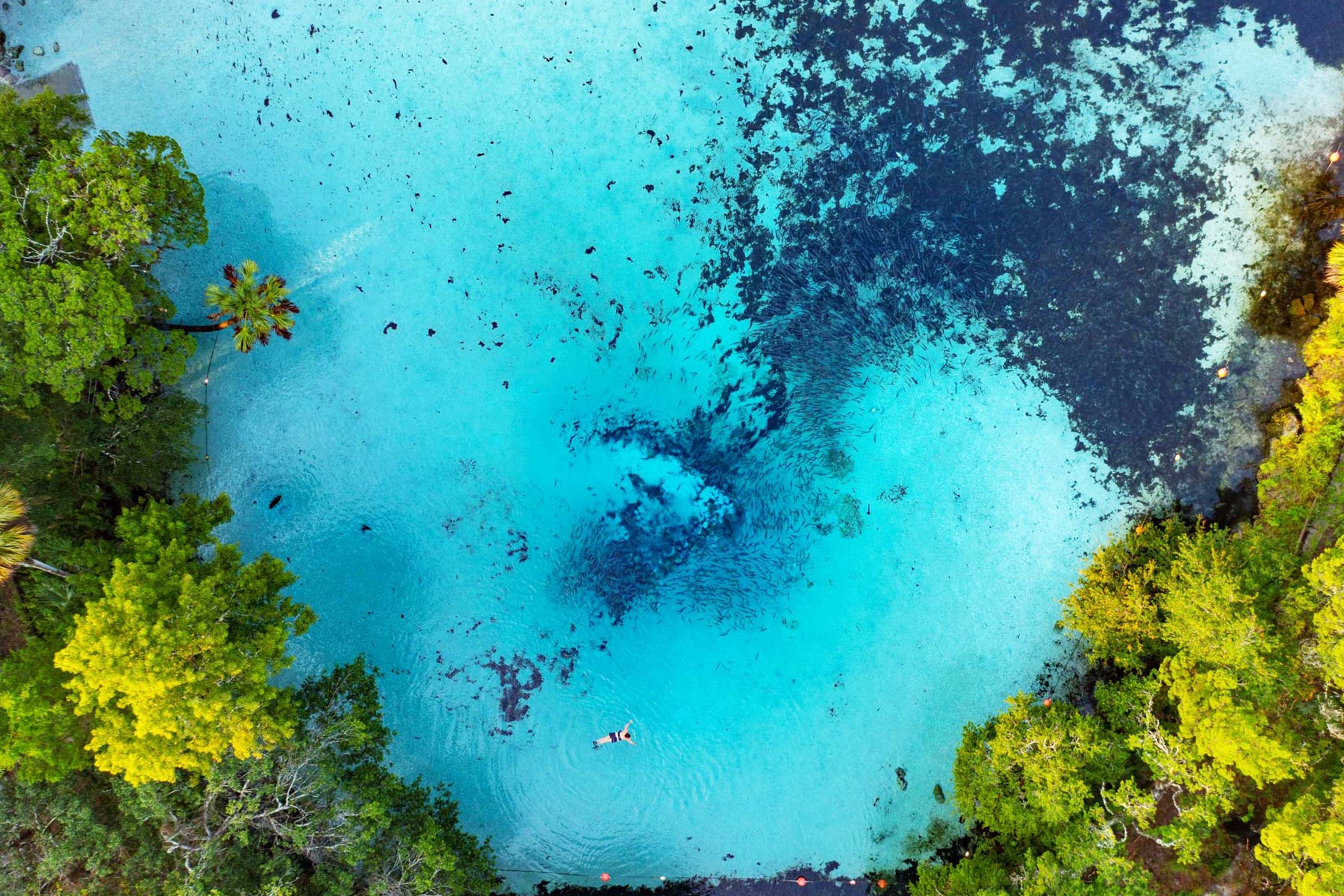
The springs are another level entirely. Places like Rainbow Springs, Weeki Wachee, and the Ichetucknee River are spring-fed and sit at 72 degrees year-round. In July when the air is 95 degrees and the humidity is trying to kill you, jumping into 72-degree crystal-clear water feels like a religious experience. You can see every fish, every rock, every blade of grass on the bottom.
Fishing down here is basically a religion. People take it seriously. Inshore, offshore, freshwater bass, it doesn’t matter. Florida has more registered boats than any other state in the country, and the Florida Reef spans 350 miles and is the only living coral barrier reef in the continental US.

#11. Stunning Natural Wonders
Florida has a lot of nature that people overlook because they’re thinking about theme parks and beaches. The Everglades alone are a World Heritage Site and home to Everglades National Park, a World Heritage Site, spanning over 1.5 million acres – it’s the largest subtropical wilderness in the U.S.
Florida also has over 700 natural springs, including the famous Crystal River, where nearly 400,000 visitors yearly swim with manatees. With over 11,000 miles of rivers, streams, and waterways, Florida offers endless opportunities for kayaking and canoeing amidst stunning backdrops.
Living here means you’re never far from something worth seeing outside, whether that’s the springs (which look photoshopped but they’re real), bioluminescence kayaking in Merritt Island, or roseate spoonbills wading through the Everglades. This stuff is in your backyard.
#12. Growing Produce is a Breeze
One of my favorite parts of living in Florida is being able to actually grow fruit right in my own backyard. Because of the weather conditions (and lack of freezing temperatures), growing fruits and vegetables is a breeze. This, in turn, makes eating seasonal and fresh produce easier than more other places in the country.
Heck, you can even grow oranges and grapefruit in your yard. How cool is that?
Disadvantages of Moving to Florida

#1. The High Cost of Living in Florida
Let me give you the actual numbers, because the vague “higher than average” stuff doesn’t prepare you for what hits your bank account. The average electric bill in Florida runs $157 to $166 a month, and that’s the annual average. In August, when your AC is running 24 hours a day just to keep the house at 77 degrees, you’re looking at $250 to $300. People who move down from the Midwest or Northeast genuinely cannot believe their first summer bill.
Rent for a one-bedroom apartment averages around $1,700 a month statewide, and that number climbs fast in Tampa, Miami, or Orlando. Then there are the toll roads, which are everywhere. If you commute on I-75, the Selmon Expressway, or the Turnpike, you can easily spend $100 to $200 a month just on tolls. Groceries tend to run about 5 to 8% higher than the national average depending on where you shop. And no, the lack of a state income tax does not fully cancel all of this out. It helps, but it doesn’t make it free.
Florida Cost of Living: How It Actually Compares
| Category | Florida | National Average |
|---|---|---|
| Median Home Price | $413,200 | $420,400 |
| Average Rent (1BR) | $1,700/mo | $1,515/mo |
| Homeowners Insurance | $5,600 – $8,300/yr | $2,300/yr |
| Electricity | $157 – $166/mo | $137/mo |
| Groceries | 3-5% above average | Baseline |
| Property Tax Rate | 0.80% | 1.02% |
| Gas | $3.30 – $3.50/gal | $3.20/gal |
| State Income Tax | 0% | ~5% avg |
| Sales Tax | 6% – 7.5% | 5.1% |
The home prices look almost identical to the national average, but that insurance line is where Florida will actually surprise you. Paying $6,000 to $8,000 per year just for homeowners insurance changes the math on a mortgage significantly.
#2. Quality Healthcare is Lacking
Healthcare in Florida can be genuinely frustrating, especially For finding quality services. Statistically, Florida doesn’t rank in the top tier of states with the best healthcare, partly due to limited access in certain areas. For example, in rural regions, there’s roughly one primary care doctor for every 3,500 residents, which is higher than the national average.
Additionally, Florida has one of the highest rates of uninsured residents at about 13%, impacting access to healthcare services. These factors can make it tricky for some residents, particularly in less urbanized areas, to receive timely and high-quality medical care. It’s an important consideration for those living in or moving to Florida, especially for families and the elderly.
While the state has many excellent healthcare facilities, particularly in major cities, healthcare access and quality vary a lot depending on where you live in the state, and it’s something to research before you move.

#3. Crime Rates are High
The heading here says crime rates are high, so let me set the record straight because this is one of those things people get wrong about Florida constantly. Florida’s violent crime rate is roughly 258 to 267 per 100,000 people, which is about 25% below the national average of around 370. The “Florida Man” headlines make it feel like the whole state is chaos, but the actual numbers tell a different story.
That said, crime is not uniform here. There are neighborhoods in Jacksonville, Miami, and parts of Orlando where you genuinely need to pay attention. And property crime (car break-ins, package theft, smash-and-grabs in parking lots) is the real everyday annoyance for a lot of Floridians. Don’t leave anything visible in your car. Not a bag, not a charger, not a gym towel. People will break your window for a $4 phone mount.
#4. The State is Prone to Natural Disasters
This is the one that’s gotten a lot more serious in the last few years, and I’d be doing you a disservice if I sugar-coated it. Hurricane Ian hit Southwest Florida in September 2022 and caused an estimated $113 billion in damage. Fort Myers Beach was essentially erased. Then Hurricane Milton came through in October 2024 and caused another $34 billion in damage across the central part of the state. Two catastrophic storms in two years.
The insurance situation that followed is its own disaster. Since 2020, more than 12 insurers have either left the Florida market or gone insolvent. The ones that stayed raised rates dramatically. The average homeowner’s insurance premium in Florida now runs somewhere between $5,600 and $8,300 a year, the highest in the country by a lot. If you’re in a flood zone, add another $865 to $878 a year for flood insurance through FEMA.
And then there’s the reality of actually living through hurricane season. You learn to watch the cone of uncertainty starting in August. You make decisions about when to board up your windows and when that’s overkill. You sit in line at Home Depot for plywood with 400 other stressed-out people. You fill your bathtub with water and argue with your spouse about whether to evacuate. And when a storm does hit your area, you watch your neighborhood get torn apart.
I don’t say this to scare you off. Plenty of people live here for decades without taking a direct hit. But you need to go in clear-eyed about what you’re accepting as a possibility.

CON #4B: Red Tide and Water Quality on the Gulf Coast
If you’re moving to the Gulf Coast side of Florida, this one matters and nobody warns you about it upfront.
Red tide is a naturally occurring algae bloom that rolls in off the Gulf, sometimes for a few days, sometimes for weeks. When it’s bad, dead fish wash up on the beach by the thousands. The smell is exactly what you’d expect. More than that, the airborne toxins cause respiratory irritation. People with asthma or breathing issues sometimes can’t go near the water at all during a bad bloom. Beach season can effectively be wiped out for stretches of time.
In recent years, the blooms have gotten worse. Agricultural runoff carrying nutrients into Florida’s waterways and the periodic releases from Lake Okeechobee are both contributing factors. The 2021 Piney Point disaster made national news when a breached phosphate wastewater reservoir released approximately 215 million gallons of contaminated water into Tampa Bay.
None of this means the Gulf Coast is unlivable. Most years have windows of genuinely beautiful, clear water. But it’s something you should know going in, especially if you’re picking a home specifically because of beach access.
#5. You’ll Need a Car While Living in Florida
Florida is not a walking state. It’s barely a biking state outside of a few neighborhoods in specific cities. If you are moving here without a car, you need to seriously rethink that plan. Public transit exists in Miami, Orlando, and Tampa, but it is not going to get you to work reliably. Plus, the traffic is some of the worst in the country.
Florida welcomed around 143 million tourists in 2023. Those people are on the roads, they don’t know where they’re going, and they’re looking at their phones trying to find the resort. On top of that, I-4 between Tampa and Orlando is consistently ranked as one of the deadliest highways in the United States.
The left lane on any Florida highway is apparently reserved for people going 90 miles an hour with no intention of moving over. The toll roads add up fast: if you’re commuting on the Turnpike, I-75, or any of the express lanes, you can spend $100 to $200 a month on tolls before you’ve even put gas in the car. And yes, the elderly driver stereotype exists for a reason, though the snowbirds who drive down from the Northeast every October somehow manage to combine both problems at once.
What’s your worst Florida driving story? I know you have one. Let it out in the comments.
#6. Summer Heat & Humidity
I’ve lived in the Tampa area since 2013 and I will tell you honestly: June through September is a different planet. The moment you step outside in July, your glasses fog up. Not metaphorically, literally. The air is so thick with moisture that your shirt is damp within two minutes of walking to your car. And your car, by the way, is a 140-degree oven. The seatbelt buckle will brand you. I’m not joking.
The electric bills in summer are legendary. August routinely runs $250 to $300 for a normal-sized house, and that’s with the thermostat set to a temperature that still feels warm. You stop fighting it eventually and just accept that summer electricity is a Florida tax.
The thunderstorms are actually somewhat predictable. They build up almost every afternoon between 2 and 4pm from June through September. You can set your watch to them. They roll in hard, drop a few inches of rain in forty minutes, and then they’re gone and the air smells like wet concrete.
The honest truth is that many Florida residents go into a kind of indoor hibernation from June through September. You do your outdoor stuff in the morning before 10am, you stay inside during the worst of the afternoon, and you basically wait for October. When October arrives and the humidity finally breaks, the entire state comes back to life. People are outside, smiling, riding bikes, going to farmers markets. It’s genuinely wonderful, which is why people put up with the summer to get to it.
#7. The Landscape is (Completely) Flat
The highest elevation in Florida is Britton Hill and at only 345 feet, it tells you everything you need to know about the type of landscape you can expect while living in Florida.
If you love mountains, hiking, and climbing then you will have a very hard time getting your fill after moving to Florida.
The 1,200 miles of astonishing beaches and the 2,800 hours of sunlight a year might make you want to grab the board and hit the ocean rather than getting into your hiking gear anyways.
#8. Moving to Florida? Brace for Bugs
Let’s talk about palmetto bugs, because no one prepares you for palmetto bugs. A palmetto bug is what Floridians call a giant cockroach so that we don’t have to say the word cockroach. They are roughly the size of a Hot Wheels car. They live outside mostly, but they come inside when it rains or when they feel like it. The part no one tells you is that they fly. Not often, but sometimes. And when a three-inch cockroach launches itself across your kitchen at 11pm, every single person screams. I have never seen an exception to this rule.
Love bugs show up twice a year, in May and September, and they exist in numbers that feel apocalyptic. They mate in mid-air while flying directly into your car. The splatter is mildly acidic and will damage your paint if you leave it on too long. Florida old-timers know to wash the car within a day or two. Newcomers learn this lesson the hard way after the first May.
Fire ants are in essentially every yard in Florida. Kids figure this out very quickly and usually only once, because stepping in a fire ant mound is a sensory experience that teaches a lesson immediately. The mounds appear overnight after rain. You get used to scanning the ground before you stand anywhere.
And no, mosquitos are not the official state bird of Florida, no matter how many you see daily. No-see-ums are the invisible enemy: tiny biting midges that come out around sunset near the water. You won’t see them until you’ve already been eaten alive. The bites itch worse than mosquito bites and last longer. Bug spray with DEET helps but doesn’t stop them completely.
What’s your worst Florida bug story? Everyone who lives here has one. Share yours in the comments.
#9. Florida Is the HOA Capital of America
No state has more homeowners associations per capita than Florida. If you buy a home here, there is a very good chance you are buying into one, and you should know exactly what you’re signing up for before you close.
At their best, HOAs keep neighborhoods looking tidy, maintain shared amenities, and protect property values. At their worst, they are a source of petty bureaucratic misery. Fines for a trash can that was visible from the street for an extra hour. Notices about lawn grass being a single inch over the allowed height. Letters about door paint that was the wrong shade of beige. Yes, beige. There is an approved beige, and you do not get to pick your own beige.
Some people genuinely like the structure. But most Florida residents have at least one HOA story. Before you buy, read every page of the CC&Rs. Find out how the board is run. Ask current residents what it’s actually like to live there. The monthly fee is only part of the picture.
Where do you land on HOAs? Love them or loathe them? The comments are open.
#10. Florida Wildlife Can Be Dangerous to Pets
The bugs section covers the nuisance side of Florida wildlife. This one covers the part that actually matters for your safety and your pets’ lives.
Bufo toads (cane toads) secrete a toxin through their skin that can kill a dog within minutes if the dog licks or mouths one. They look like regular toads. They sit in your yard at night, especially after rain. They are not rare. If you move to Florida with a dog, you need to know what these look like and you need to be careful about letting your dog nose around in the yard after dark. Having your vet’s emergency number accessible is not an overreaction.
Alligators live in every body of freshwater in Florida. Ponds, canals, retention lakes, drainage ditches, occasionally swimming pools. The rule is simple: do not let small children or small dogs near unfenced water. Alligators are generally not aggressive toward humans, but a small dog at the edge of a pond at dusk looks like dinner to them.
Water moccasins (cottonmouths) are venomous and more assertive than most snakes. They live near water. If you see a thick-bodied, dark-colored snake near a Florida pond, give it a lot of room.
Lizards: On the lighter end, you will have dozens of lizards in your yard. Anoles running up your walls, geckos on your lanai. They’re completely harmless, they eat insects, and after a couple weeks you’ll stop noticing them. Most people end up liking them.
#11. K-12 Education Is a Mixed Bag
Florida’s education story splits right down the middle depending on which level you’re talking about.
Higher education? Florida ranks #1 in the country. A huge reason for that is the Bright Futures Scholarship Program. If your kid earns good grades in high school, the state pays for their college tuition at a state university. Fully, or close to it. That is a genuinely massive financial benefit that parents in other states would love to have, and it’s one of the things I tell people about Florida that consistently surprises them.
K-12 is a different story. Florida hovers around #22 nationally for public K-12 education. Class sizes tend to run large, teacher pay is below where it should be, which drives turnover. If you’re moving here with school-age children, the district matters a lot. Pinellas and Sarasota counties consistently outperform the state average. Others are more of a gamble. Do your homework before you pick your neighborhood.
Retiring in Florida (FAQ)
FAQ – Life in Florida
Florida is an especially good place to live for folks who love sunshine, retirees, and people looking to pay less in income taxes. Natural disasters complicate the question a bit with millions (often billions of dollars in damage done each year) but overall Florida is a good place to live.
Yes, Florida is a great place to retire. In fact, Florida is the most popular place to retire in the US and for good reason. Retiring in Florida you’ll find there’s no state income tax, the weather is constantly warm (although the heat & humidity can be a bit oppressive), and the sun is almost always shining.
No, as of 2026, marijuana is not legal for recreational use in Florida (Amendment 3 failed to pass in November 2024). However, the state has a medical marijuana program that allows qualified patients to access marijuana for medicinal purposes. In order to participate in the program, patients must have a qualifying condition and a recommendation from a doctor. Qualifying conditions include cancer, epilepsy, and PTSD, among others. Medical marijuana is available in various forms, including oils, edibles, and vaporizers.
It depends on where you land. MIT’s Living Wage Calculator puts the bare minimum for a single adult at $48,700 per year. For a family of four, you’re realistically looking at $80,000 to $95,000 depending on the area. South Florida and the coastal cities push those numbers higher because housing and insurance costs are significantly above the state average. A comfortable life in a decent neighborhood usually means adding 20 to 30 percent on top of those baseline figures.
Generally yes. Florida’s violent crime rate runs about 25 percent below the national average, which surprises most people. The bigger day-to-day concern is property crime, specifically car break-ins, which varies a lot by neighborhood. Crime data by zip code is publicly available and worth looking at before you commit to a neighborhood.
Both states have no state income tax, so that part is a wash. Florida has water everywhere, beaches, and a tropical climate, but also hurricanes and serious humidity. Texas has more space and lower cost of living in most cities, but extreme dry heat and tornadoes. Short version: if being near water matters to you, Florida. If you want space and lower housing costs, Texas.
Net migration into Florida dropped about 93 percent from its 2022 peak. The top reasons: homeowners insurance costs (highest in the country), rising cost of living, and hurricane fatigue. That said, more people are still moving into Florida than leaving. The net flow is still positive. The people leaving tend to be retirees on fixed incomes who got priced out of insurance and property taxes.
MIT’s Living Wage Calculator puts the minimum at $48,700 per year for a single adult and $82,100 per year for a family of two working adults with two kids. Those are survival numbers, not comfort numbers. Where in Florida matters a lot. The same salary goes further in Tallahassee or Ocala than it does in Miami or Naples.
There are a bunch of great cities in Florida, and the best one for you depends on your personal preferences and needs. Some of the best include:
Miami: Known for its strong culture, beautiful beaches, and lively nightlife, Miami is a popular destination for tourists and residents alike.
Tampa: Located on the west coast of Florida, Tampa is known for its beautiful beaches, mixed population, and active arts scene.
Orlando: Home to world-famous theme parks and attractions, Orlando is a top destination for families and tourists.
Gainesville: Located in north-central Florida, Gainesville is home to the University of Florida and has a active arts and music scene.
Tallahassee: As the capital of Florida, Tallahassee is home to many state government agencies and institutions of higher learning. It is also known for its beautiful parks and outdoor recreation opportunities.
Things About Florida That Actually Surprised Me
Florida Man Is Not What You Think
Every state has weird arrests. Florida just tells you about them. Florida’s Sunshine Law means government records, including arrest records, are public by default. Journalists and bored people on the internet can pull them freely. The result is a decade of headlines that make the state look unhinged. The truth is that every state has people doing chaotic things at 2am. Florida just has transparency laws that make those stories accessible.
Almost Nobody Here Is Actually From Here
Only about 40% of people living in Florida were born in Florida. That makes it one of the most transplant-heavy states in the country. What that means day to day is that almost everyone you meet has a story about where they came from and why they ended up here. It makes for good conversation at a backyard cookout.
The Four Seasons of Florida
People ask about seasons here and the local answer is: summer, hurricane season, tourist season, and love bug season. It’s a joke, but it’s also mostly accurate. You do not experience fall foliage or a proper winter.
The Stingray Shuffle Is Real
If you wade into the Gulf of Mexico and you don’t shuffle your feet along the sand, you run a real chance of stepping on a stingray buried just under the surface. They don’t want to sting you, you just surprised them. The stingray shuffle (dragging your feet as you walk in) alerts them so they move. Every local knows this. Learn it before your first time in the water.
Pub Sub tip: Publix subs. If you know, you know. The chicken tender sub on the fresh-baked roll is the unofficial state food. This is not a paid advertisement. It’s just the truth.
Every Neighborhood Looks the Same (At First)
Strip mall. Publix. Wawa. Walgreens. Strip mall. Repeat. Florida developed fast and it developed with a template. When you first get here, every area genuinely looks like every other area and it takes a while to build the mental landmarks you need to get around without GPS. Give it six months.
Florida’s population is over 23.4 million and growing. The state adds roughly 300,000 to 400,000 new residents in a typical year, though that pace has slowed from the post-pandemic peak. Average temperatures in Tampa run in the low 90s in summer and the mid-60s in winter. Cost of living statewide runs about 3 to 5% above the national average when you account for housing, insurance, and utilities together.
Quick Numbers Worth Knowing
Florida is a very tax-friendly state: no state income tax, a property tax rate of about 0.80% (below national average), and a sales tax of 6% (up to 7.5% with local surtax). For remote workers, this is a massive draw.
The state adds roughly 1,000 new residents per day on average, making it one of the fastest-growing states in America. Whether that growth is sustainable with the insurance crisis and cost of living increases is the question everyone’s asking right now.
Things to Know About Living in Florida (Post Summary)
Moving to The Sunshine State might mean starting the next chapter in your life; a chapter full of love, outdoor activities, beach, water, and endless days of fun.
Indeed, Florida has something to offer every member of the family; from Disney World to Miami Heat matches.
- Reduced taxes
- Mild winters
- Florida is a coveted vacation destination
- Affordable housing
- Florida is varied
- Great job market
- Access to the beach
- Sports culture
- Always something to do
- Water recreation
- Stunning flora and fauna
- You can grow produce at home
- High cost of living
- The healthcare rating
- Overall crime rate
- Florida is prone to natural disasters
- You’ll need a car while living in Florida
- The heat and humidity
- The landscape is completely flat
- Bugs galore
I hope you found these pros and cons of moving to Florida helpful. If you’re a lifelong Floridian, a recent transplant, or still on the fence about moving, I’d love to hear from you in the comments below. What did I get right? What did I miss? What would YOU add to this list? The comments on this post have turned into a legit community of locals sharing real, unfiltered takes. Don’t be shy about adding yours!
Cheers!
Tony (Tampa, Florida)
Compare the Pros vs the Cons of Living in Florida
| Pros | Cons |
|---|---|
| Reduced taxes | High cost of living |
| Mild winters | The healthcare rating |
| Florida is a coveted vacation destination | Overall crime rate |
| Affordable housing | Florida is prone to natural disasters |
| Florida is varied | You’ll need a car while living in Florida |
| Great job market | The heat and humidity |
| Access to the beach | The landscape is completely flat |
| Sports culture | Bugs galore |
| Always something to do | |
| Water recreation | |
| Stunning flora and fauna | |
| You can grow produce at home |
Map of Florida
More Helpful Florida Perspectives
- Best Places to Live Florida: 15 Best Places to Live in Florida
- Cheapest Places in Florida: 15 Cheapest Places to Live in Florida
- Best Places to Retire in Florida: 15 Best Places to Retire in Florida
- Cheapest Places to Live Florida: 15 Cheapest Places to Live in Florida
- Living in Florida: 20 Honest Pros and Cons of Living in Florida
- Living in Miami: 20 Honest Pros & Cons of Living in Miami (Let’s Talk)
- Living in Jacksonville: 15 Honest Pros & Cons of Living in Jacksonville
- Living in Orlando: 15 Honest Pros & Cons of Living in Orlando, Florida (Local’s Guide)
Life in Other Parts of the South
- Living in Georgia: 15 Honest Pros & Cons of Living in Georgia
- Living in Mississippi: 15 Honest Pros & Cons of Living in Mississippi
- Living in Arkansas: 15 Honest Pros & Cons of Living in Arkansas
- Living in Tennessee: 15 Honest Pros & Cons of Living in Tennessee
- Living in Texas: 15 Honest Pros & Cons of Living in Texas
- Living in Alabama: 15 Honest Pros & Cons of Living in Alabama


Great breakdown. The no state income tax point is one people underestimate until they see the actual numbers. We work with people relocating to Florida from states like New York, California, and New Jersey, and the savings on a six-figure income can easily run $10,000 to $40,000 a year depending on where they’re coming from. That adds up fast. The catch most people miss is the residency documentation side. You can move to Florida and love the weather and the lifestyle, but if your old state thinks you still live there, they’ll come after you for back taxes. Building a clean residency file from day one is the part nobody talks about, and it matters a lot more than people realize.
Of course, the no state income tax is a big draw—extra money in your pocket each month means more flexibility in choosing where to live or travel. But it’s balanced by genuine drawbacks: hot, humid summers, hurricane season, and crowded beaches feel like part of the package here. That “year‑round sunshine lifestyle” often means wrestling with heat and crowding more than we expect.
Something I appreciated was the locally focused perspective. Whether you’re weighing Miami’s rich cultural diversity, Orlando’s tourist-driven energy (and traffic), or Jacksonville’s affordability, these aren’t generic bullet points—they’re grounded in real, lived context by Floridians.
One comment hit home: Florida is a trade‑off state. You trade state taxes and winter chill for summer storms and seasonal crowds. But for many, the scale tips in Florida’s favor thanks to the affordable housing in some areas, the beach-adjacent lifestyles, and the relaxed vibe.
Re: “Floridians are within a 30-minute drive to the nearest beach” I lived in Tampa for 5 years. It was AT LEAST 40 minutes to get to the beach, because of the undeveloped road system (so much for lack of taxes!) And as for parks, you can only go in them during the hottest part of the day, as they HAVE NO LIGHTS, and the walking/running areas are laughably short; and they are few and far between–most of Florida is a concete abyss; there were virtually no running trails (and those boardwalks are usually a few blocks long). “7,700 lakes” and none you can swim in.
As a lifelong Floridian I’m going to offer a few suggestions to those of you who move here from other areas:
First, if you have never driven an automobile on a regular basis (yes, I’m talking to you NYCers) Florida metro areas are NOT the place to learn. I have been in a few accidents and every one of them was caused by a transplanted NYer who suffered from the delusion that they could drive safely (no matter how aged or unable to see over the steering wheel or seeming lack of understanding of signage or traffic lights’ meanings). The traffic here is challenging for skilled drivers; there are plenty of excellent Uber drivers – try them! Please!!! Another request, please, if you move here and find you it’s not to your liking…LEAVE! I have come to understand that loudly complaining, insulting Florida and Floridians, and generally being obnoxiously rude is a common trait that it seems folks from NYCity find completely normal and acceptable. Just a thought, but y’all might want to try being, just once in awhile, nice…or at least polite. You might just be pleasantly surprised! PS: The above also applies to folks from New Jersey, possibly more so. Nevertheless, we Floridians will continue to do our best to be welcoming and patient with our Northern visitors and transplants.
Bugs abound, yes. Coming from Colorado 6 years ago we dealt with miller moths, field and wolf spiders. Even the occasional tarantula in the southern part of that state. But, you forgot to mention the noseeums (which apparently like me very much, leaving my skin itching and welted for hours); the lovebugs, which will turn the front of your car into a black, gooey mess in Spring and Fall… and last but definitely not least, palmetto bugs (giant flying roaches). You better believe we spray regularly.
This is a beautiful place (we are in SWFL) and the people are very friendly and welcoming here. Probably looking to move back closer to our kids in CO though, so maybe another year or two then back to drier air.
Yes, the beaches are lovely. But we sit in traffic to get there. Then there is no parking. Lots are full. Eating and drinking at beach is nearly impossible. I have lived here nearly 30 years and crowding everywhere is a problem.
I’ve been here for 8 years and I’m absolutely sick of it. I can’t stand it here. The humidity is absolutely ridiculous in the summer which is most of the year. Forget wearing your hair down or makeup. Forget wearing cute clothes too. The water sucks, and the water bill is so high, $150 a month for a family of 4. The water is hard and tastes like crap. We have to constantly buy salt for the water softener otherwise you can’t wash off all the soap and conditioner from your hair and body. There are people everywhere, it’s so overcrowded. It’s loud outside with all the bugs screaming. Everything is expensive. Outrageous homeowners insurance. Outrageous prices on groceries and forget about going to to restaurants. Long lines everywhere. You have two seasons here, extremely hot and muggy and wet, or cooler and dry. Sand EVERYWHERE… some beaches the sand doesn’t wash off easily. Can’t even swim in the east coast unless it’s a green flag (which means calm) otherwise the waves will SMASH you into the sand and cut up your legs. You are basically stuck in the AC most of the year and it’s groundhogs day.
I’ve lived in Florida since 1976. I am a Southerner with a long family lineage in the South. Florida was a nice place until around 2005 or so. Miami, Orlando, and the Tampa area has been overpopulated for years prior. Today it seems almost every city in Florida is overcrowded. The city of St Augustine is all but destroyed with excessive growth. A home selling for. $120,000 ten years ago is now $300,000. The Southern culture is overrun with northern transplants and over development. It is no longer worth living here. I can’t wait to leave Florida. Don’t buy that lie about how great Florida is. All I see now is a bunch of miserable dreamers here.
Would you prefer Texas over Florida?
That’s a coin flip in terms of horrible weather and political climates. The lack of state income tax is negated by high A/C cost as the summers rival Venus.
What I’d love to know out of curiosity about Texas is if every public building in Texas is like in Florida where they get stingy with the A/C or shut it off for the “winter” – when it’s still summer. I lived in Florida for a complete year (Orlando). Never again for even a visit.
I might consider it but it would be a hard sell knowing that every few years you could end-up being completely wiped out of everything you own & having to start over again from scratch! That, and the alligators crawling up on your front porch to ring the door bell holds me back.
Great! You move to Florida and let the bugs eat you alive with the humidity running down your cheeks as you over-pay for your gas, groc’s, utilities, etc., and I’ll move to Lincoln, Nebraska.
bugs,hot weather,humidity just go to Louisiana or South Alabama everything is cheaper and you can wade in the gulf to cool off (watch out for jellyfish)Michigan my Michigan!(more room for us )
You will not find a rental under 1500. Most are over 2000 a month. My rent just increased this year to 2300 from 1700.
There are fees for everything as well.
The cost of living is much higher. In my experience about %25 higher.
A simple example: a gallon of water in Oregon could be purchased for 1.00. The same week in Florida it was an advertised special at 1.29.
Eggs 2.99 a doz in Oregon were 3.89.
It can be nice moving away from winter, but expect to lower your standard of living or earn some extra cash.
Florida has become overcrowded and trying to drive anywhere is taking your life in your hands along with the need to plan lots of extra time for accidents. Also, add snakes to the bugs section. I’v e lived in 3 homes in 9 years here and always had snakes to deal with on the grounds.
Yes! Lots of people forget about the snakes! Not to mention, the iguanas that tend to damage property.
I am strong in my consideration to move to Florida. I would be coming from Lincoln, Nebraska. My main worry are the basic costs of living-rent, utilities, insurance, fees, food, internet, fuel. The extra’s are not my main concern, since I already live a frugal lifestyle.
In Lincoln, I am used to paying the 3rd lowest electric rate in America, little to no traffic, and pretty low unchanging rent. Not used to paying fees for extra things associated with renting. I am single, no pets. So hope to find a decent apartment starting no more than $750-900 per month.
I guess my question is, what is the basic cost of living for a single man, leaving out entertainment and excursions? Looking forward to answers. Also looking forward to having near year round access to fresh produce!
Depends where you move to Florida in Miami you not going to find these rates of rent you talking about , maybe in a small town in mid Florida