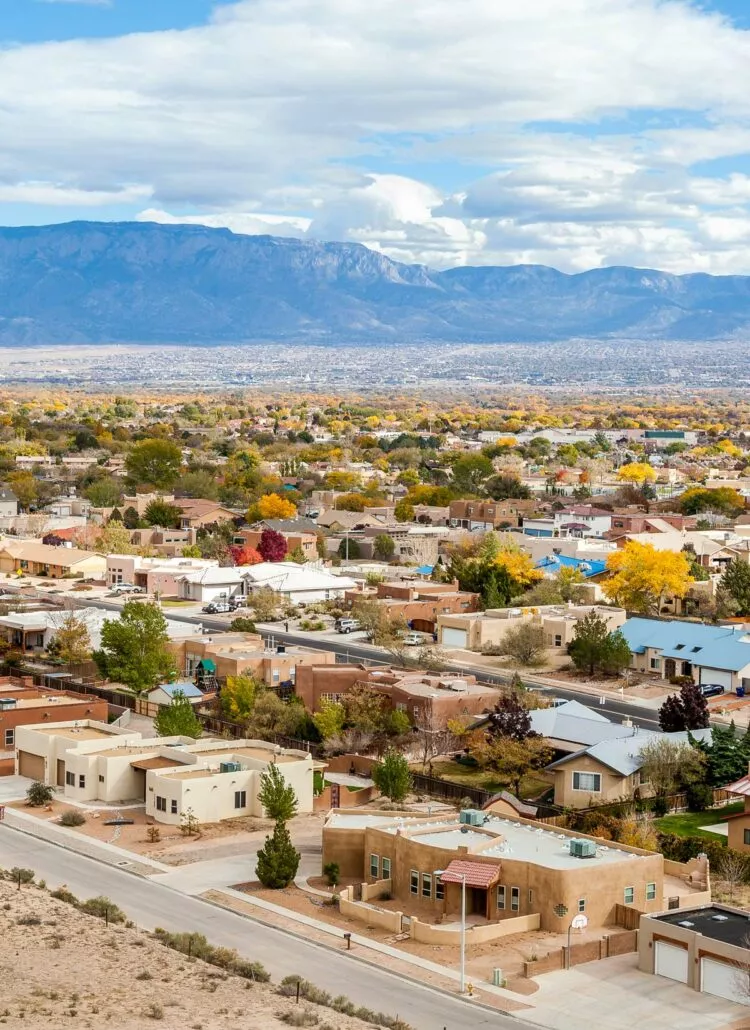
Neutral Considerations for Living in Tennessee
The Political Climate
As suggested by Beth, a commenter on this article (all of our articles are continually updated based on comments we receive), the political situation in Tennessee is worth noting. To pull directly from her comment:
“We currently have a super majority of very conservative Republicans in both houses of the Tennessee legislature. We also have a conservative Republican governor. I doubt this will change any time soon. This could be a real positive or negative depending on several factors. In any case, it is certainly something to note.”
Perks of Moving to Tennessee
#1. Outdoor Recreation
There’s no denying that Tennessee is a beautiful state full of varied landscapes and stunning nature. From the famous Appalachian Mountains (in the east) to the Mississippi River (in the west), locals are spoiled for choice!
From hiking, climbing, camping, kayaking, canoeing or caving, Tennessee can scratch a nature enthusiasts itch most month of the year. While each corner of the state has something interesting to offer, the star of the show is Great Smoky Mountains National Park.
As the most visited national park in the country Great Smoky Mountains National Park offers unparalleled outdoor recreation. From top-notch hiking trails and campgrounds and to breathtaking waterfalls and diverse wildlife, adventure is always at your fingertips.
#2. The Low Cost of Living in Tennessee
The affordable cost of living in Tennessee is the ultimate reason I ended up making the move. I was tired of working long hours to (barely) afford a downtown apartment and basic living expenses. I wanted to enjoy my daily life and (as you know) affordability is a huge factor in that. So, after several months of research, I finally landed on The Volunteer State, which was rated the 6th most affordable state to live in.
Between reasonable home prices (20% lower than the national average), low property taxes (some of the lowest in the country) and overall lower cost of everyday essentials (groceries, utilities, transportation), the perks of living in Tennessee keep adding up.

#3. Affordable Homes & Low Property Taxes
As I just mentioned, buying a house in Tennessee is still (relatively) affordable. As of this writing, median home prices clock in at about $310K. When compared to the national average, it’s not hard to see why so many first-time home buyers end up moving to Tennessee to start a family.
Likewise, property taxes are also a consideration. As it stands, with a real estate tax rate of 0.71%, Tennessee has the 15th lowest property taxes in the country. All this to say: owning a home in Tennessee is still considered a possibility (which can’t be said for many other states where median home prices hover around $1 million).
#4. Mild winters
As I get older, I find that winters get tougher for me. I’m not a winter person. I mean, sure, I enjoy an occasional ski trip here and there, but I’m not a fan of the long, cold gray winter days that drag on for months on end. So, in my personal experience, one of the biggest perks of living in Tennessee are the mild winters (depending on where you choose to live in the state).
The western part of the state gets mild winters, while the eastern part (Appalachian Mountains) is no stranger to the occasional snowfall and a prolonged winter season. If you’re into snow sports, the Great Smoky Mountains get a fair share of snow which makes it a playground for those that love skiing and snowboarding.
If helpful, here’s a roundup of average winter temperatures depending on region:
- Memphis (West Tennessee):
- December: Highs around 52°F (11°C), lows around 36°F (2°C)
- January: Highs around 48°F (9°C), lows around 32°F (0°C)
- February: Highs around 53°F (12°C), lows around 35°F (2°C)
- Nashville (Middle Tennessee):
- December: Highs around 49°F (9°C), lows around 32°F (0°C)
- January: Highs around 45°F (7°C), lows around 28°F (-2°C)
- February: Highs around 51°F (11°C), lows around 32°F (0°C)
- Knoxville (East Tennessee):
- December: Highs around 48°F (9°C), lows around 30°F (-1°C)
- January: Highs around 45°F (7°C), lows around 28°F (-2°C)
- February: Highs around 51°F (11°C), lows around 31°F (-1°C)
- Chattanooga (Southeast Tennessee):
- December: Highs around 50°F (10°C), lows around 32°F (0°C)
- January: Highs around 47°F (8°C), lows around 29°F (-2°C)
- February: Highs around 54°F (12°C), lows around 33°F (1°C)
But you know what they say, for every advantage there’s a disadvantage. And it’s true, mild winters typically mean oppressively hot and humid summers and Tennessee is no exception. (I’ll cover summer weather shortly!)

#5. The Food Scene is Great
One of the biggest perks of living in Tennessee is having access to great cuisine. Heck, Nashville is considered one of the best food cities in America. The state’s pride and joy is traditional southern-inspired cuisine like fried chicken and drool-inducing BBQ.
But the recent influx of newcomers is adding some fun variety to the state’s thriving food scene, there’s been more of a shift to farm-to-table dinning over the past few years.
Tennessee’s food scene is a reflection of its rich culinary heritage, creativity, and the unique influence of varying cultures. You’ll find incredible restaurants in the large cities (Nashville, Memphis, and Chattanooga), but will also come across beloved local gems in small towns. From beloved hole-in-the-wall gems to innovative high-end restaurants worth of a celebration, you won’t go hungry while living in Tennessee.
#6. There’s No State Income Tax in Tennessee
Earnings go a lot further while living in Tennessee because there’s no state income tax. (There’s 9 states in the country that don’t have a state income tax and Tennessee is one of them!).
So, what does this mean for you? Well, for starters, you can get up to 10% more per paycheck (depending on where you’re moving from). If you’re moving to Tennessee from New York, Oregon or California, you can expect to keep nearly 10% more of your paycheck (if your salary remains the same).
Not having to pay state income tax while living in Tennessee is a perk that can’t be overstated. It’s a huge relief to get to keep more of your paycheck for little things that make everyday life more enjoyable (going to concerts with friends, eating out, etc.).

#7. The Live Music Scene is Top Notch
Tennessee’s most famous city, Nashville, is dubbed Music City but not without reason. You can’t throw a stick without hitting a musician belting a Taylor Swift tune (for better or worse). Nashville’s music culture needs no introduction, the industry’s storied past is stuff for legends. Thankfully, those living in Tennessee (or merely visiting!) can take advantage of this perk.
But Nashville isn’t the only city that deserves a shout out, Memphis is the birthplace of rock and roll and the blues!Living in a state that can lay claim as being the birthplace of various genres of music (country, blues, rock and roll) means you have your fair share of concerts to choose from.
Since moving to Tennessee, I have found that most date nights revolve around music venues, which is quite fun!
Local’s Tip: If you’re new to the state (welcome!) I highly suggest getting this handy resource. It helped me get a better understanding and appreciation for the state. I recommend it to all my friends!
- $429k−1.2%FRED / realtor.com · 2026-0928th cheapest of 50 states
- $331k−0.1%Zillow Home Value Index (state) · 2026-0923rd cheapest of 50 states
- 3.4%±0 ptBLS Local Area Unemployment Statistics · 2026-09tied for 14th lowest of 50 states
- $3.82−2.2%AAA · 2026-10-215th cheapest of 50 states
- 91.9US = 100BEA Regional Price Parities (SARPP) · 2024
Locals’ verdictGrade Tennessee on cost, weather, jobs, people and safety · where it stands on our rankings
Cons of Living in Tennessee

#1. The Crime Rate is High
It’s important to me that this list of the pros and cons of moving to Tennessee is as honest as possible. So, let’s rip that band-aide right off. Tennessee has some of the highest crime rates (per capita) in the nation.
In fact, a recent study found that Tennessee is the 3rd most dangerous state in the country, based on violent crimes and murders. Furthering the claim, the Centers for Disease Control and Prevention (CDC) found that Tennessee has the 7th highest homicide rate in the nation.
Sensational headlines aside, there’s no denying that certain areas of the state are best avoided. Honestly, I was alarmed by the high crime rates before moving to Tennessee and decided to reach out to a coworker for advice.
She said, “the majority of violent crime is committed by violent people against other violent people.” By and large, Everyday Joes are immune from violent crime, everyday life in Tennessee isn’t “a risky affair. “risky” by any stretch of the imagination.
#2. Low Wages & High Poverty Rate
Tennessee has some of the lowest wages in the country. Furthermore, the state doesn’t have an official minimum wage law which means employers must pay the current federal minimum wage of $7.25 per hour.
Nobody can afford to support themselves off $7.25 per hour. Heck, according to MIT the “actual living wage” for a single adult in Davidson County (second most populous county in the state) is a whopping $18.35.
Even with the relatively low cost of living in Tennessee, most folks have to live paycheck-to-paycheck to survive. With such low wages, is it any surprise why Tennessee has the 12th highest poverty rate in the nation?
You know the drill: Don’t move to Tennessee without having a well-paying job lined up beforehand. Living in Tennessee is nothing short of a dream for those that can work remotely and get paid higher wages.

#3. Low Life Expectancy
Want to know a sad stat? Tennessee’s life expectancy is the 5th lowest in the country (76 years old).
So unfortunate.
But, after moving to Tennessee, it wasn’t hard to see why. Lifestyles seem to be pretty sedentary lifestyle and poor diets are quite common (Tennessee has the 4th highest obesity rates in the nation). Likewise, access to healthcare varies across the state. Some rural areas are grossly under-served, which results in a lack of access to essential medical services.
Efforts are being made to address the low life expectancy in Tennessee, but it’s a very complex issue. There’s so many complicated factors at play, so addressing the core issues requires a comprehensive approach. From proper healthcare to education, social services and engagement, it’s a long road to radical change. I’m hopeful for a better future, but in the present, the low life expectancy is worth consideration.
#4. Terrible Infrastructure
Alright, I know that everyone loves to gripe about their state’s traffic and infrastructure, but Tennessee’s road infrastructure qualifies for Dante’s inferno. Seriously, it’s one of the biggest disadvantages of living in Tennessee.
The state has been going through “unprecedented growth” for the better half of a decade and infrastructure is not keeping up with the influx of people moving to Tennessee.
In terms of improvements, it seems like ideas get tossed around but nothing changes. Cities continue to sprawl, but the planning seems to be car-centric without a focus on improving current infrastructure.

#5. Summer Heat & Humidity
Like most southern states, the summer heat and humidity will make you think twice about moving to Tennessee. Thankfully, it only lasts 9 months (I kid, i kid). Jokes aside, living in Tennessee is a bit tough during the spring and summer months. Expect to sweat daily from May through October anytime you step outside.
Summer high temperatures average around 90°F in western and central Tennessee and 85°F in eastern Tennessee. The average humidity rate across the state is 69.4%. The humidity is especially bad for home owners because it causes mold, especially in basements. When I first moved to Tennessee I had a huge problem with bugs and later learned that my damp basement was the culprit.
#6. Allergies Suck
Even after 10 years of living in Tennessee, I still can’t get used to the pollen that pops up every spring. Every April, like clockwork, I wheeze my way through the month. Seems like I’m not the only one, Tennessee ranks as the 4th worst state for allergy sufferers.
If you’re prone to allergies, arm yourself with medications before moving to Tennessee (I take allergy medicine daily). The mold spores from decomposing leaves in the fall get me the most, but many folks seem to suffer the worst in spring.

#7. Moving to Tennessee? Brace for Bugs
If you can’t stand the sight of bugs then you’ll want to think twice about moving to Tennessee. Tennessee has the worst cockroach problem in the country. I recently spoke with my exterminator (who comes out 1-2 times per year) and he mentioned that bugs are part of daily life in Tennessee.
The list of culprits spans the gamut from the infamous brown recluse spider to cockroaches and stink bugs. You’ll want to budget for an annual exterminator about once a year while living in Tennessee. They’ll spray the boarder of your house to hopefully keep the crawlers at bay. In any case, the bugs are a huge adjustment.
Tell the next person the thing the guide misses.
Retiring in Tennessee FAQs
As with most things in life, that depends on you. I’ve been living in Tennessee for 10 years and don’t have plans to move anytime soon. But I’ve had friends that barely lasted two years after moving to Tennessee. Weigh the pros and cons of daily life in Tennessee against your personal interests to determine if this is the right state for you. And remember, I’m only an email away! Leave your questions or comments below and I’ll make sure to offer my two cents.
Honestly speaking, it depends on the area. The low cost of living in Tennessee is a huge draw for those considering retiring in Tennessee. Likewise, affordable homes and low property taxes make it easier to settle down long term.
But with high violent crime rates and low life expectancy, the pros and cons of moving to Tennessee for retirement should be strongly considered. As with any life decision, you’re bound to love one thing while agreeing to tolerate another. This article should serve as a good starting point.
Yes, Tennessee is a tax friendly state. Between the overall low cost of living, lack of state income tax and some of the lowest property taxes in the country, moving to Tennessee won’t prove burdensome in the tax department.
Kind of, but not really. Marijuana containing greater than 0.3% THC is illegal in Tennessee. But, the cultivation of hemp as Cannabis sativa (containing less than 0.3% THC) has been legalized. So, what does this mean? Tennessee pretty much allows CBD only.
Map of Tennessee
Comparison of the Pros & Cons of Living in Tennessee
| Pros | Cons |
|---|---|
| The scenic beauty of the state | Sky-high crime rate |
| The low cost of living in Tennessee | The summer heat and humidity |
| Mild winters | Embarrassingly low wages |
| Affordable homes + low property taxes | Life expectancy is low |
| The food scene is great | Terrible infrastructure |
| There’s no state income taxes for folks living in Tennessee | Allergies |
| The live music scene | Moving to Tennessee? Brace for bugs |
| Festivals galore |
Pros & Cons of Living in Tennessee (Roundup)
In sum, here’s a quick roundup of the honest pros and cons of living in Tennessee.
- The scenic beauty of the state
- The low cost of living in Tennessee
- Mild winters
- Affordable homes + low property taxes
- The food scene is great
- There’s no state income taxes for folks living in Tennessee
- The live music scene
- Festivals galore
- Sky-high crime rate
- The summer heat and humidity
- Embarrassingly low wages
- Life expectancy is low
- Terrible infrastructure
- Allergies
- Moving to Tennessee? Brace for bugs
Helpful Related Articles
- Living in Nashville: 15 Honest Pros & Cons of Living in Nashville (Let’s Talk)
- Best Cities to Live Tennessee: 10 Best Places to Live in Tennessee
Life in Other Parts of the South
- Living in Louisiana: 15 Honest Pros & Cons of Living in Louisiana
- Living in Georgia: 15 Honest Pros & Cons of Living in Georgia
- Living in Atlanta: 15 Honest Pros & Cons of Living in Atlanta, Georgia (Local’s Guide)
- Living in Mississippi: 15 Honest Pros & Cons of Living in Mississippi
- Living in Arkansas: 15 Honest Pros & Cons of Living in Arkansas
- Living in Tennessee: 15 Honest Pros & Cons of Living in Tennessee
- Living in Missouri: 15 Honest Pros & Cons of Living in Missouri
- Living in Texas: 15 Honest Pros & Cons of Living in Texas
- Living in Alabama: 15 Honest Pros & Cons of Living in Alabama
The 2026 Update
Update from The Honest Local, September 2026: everything from here down was added after the original local wrote this guide, with a source for each figure.
If Tennessee priced you out in 2022, the first item below is the one to read twice.
Home prices stopped climbing. Zillow’s Home Value Index has the typical Tennessee home at $330,844Typical home value, Zillow, September 2026. Tennessee. Updates itself when the source does. as of September 2026, down 0.1% from the month beforeTypical home value, Zillow, September 2026. Tennessee. Updates itself when the source does.. Nashville actually fell 3% to $434,068 over the same stretch. If you were priced out in 2022, look again.
Insurance is the new line item. A June 2026 LendingTree report put the average Tennessee home insurance bill at $3,408 a year, 7th highest in the country. Between hail, wind and tornadoes, the insurers have done the math. Get the quote before you get attached.
The job market is better than the national one. Unemployment hit 3.4%Unemployment rate, BLS, September 2026. Preliminary. Updates itself when the source does. in September 2026, and Oracle keeps adding Nashville office space ahead of its riverfront headquarters, which comes with 8,500 promised jobs. The counterweight is out west. In December 2025 Ford scrapped the electric pickup at BlueOval City near Stanton, renamed it the Tennessee Truck Plant, and pushed production of gas trucks to 2029. SK On took over the battery plant on its own in May 2026.
The grocery tax survived. Lawmakers spent the 2026 session arguing about killing the 4% state sales tax on food. The budget passed without it. Same story for wages, a bill to raise the minimum from $7.25 to $20 died in the Senate in February 2026.
People keep coming anyway. The Census counted 7,315,076 Tennesseans on July 1, 2025, up 63,785 in a year, and two thirds of that was people moving in from other states. One more thing for the newcomers, as of January 1, 2026 the THCA flower and delta-8 products that filled every smoke shop are banned. More on that in the FAQ.
Cost of Living in Tennessee
Tennessee runs about 10% cheaper than the country as a whole. Housing does the work at 80.0 on the same index, groceries sit a little under at 96.3 and utilities well under at 88.0. The Bureau of Economic Analysis reads it a touch less generously. Its 2024 price parity has Tennessee at 91.9, so 8% under, with housing at 79.1 and goods at 96.2.
Buying is the bargain, asking prices aren’t. Zillow’s typical Tennessee home is $330,844Typical home value, Zillow, September 2026. Tennessee. Updates itself when the source does. as of September 2026, against $366,157Typical home value, United States, Zillow, September 2026. Updates itself when the source does. nationally, so about 9% under. Realtor.com’s median asking price is $429,450Median listing price, realtor.com via FRED, September 2026. Updates itself when the source does. here and $419,250Median listing price, United States, realtor.com via FRED, September 2026. Updates itself when the source does. nationally, a hair over the US figure. The median renter gives up 29.5% of income to rent on the 2020 to 2024 Census figure.
The rest of the monthly bill. Regular gas is $3.82Regular gas, AAA, October 21, 2026. Updates itself when the source does. (AAA). Residential electricity ran 13.71 cents a kilowatt hour in July 2026 against 18.31 nationally (EIA), a quarter less. Then the register. There’s no state income tax on wages, so the state gets you at checkout, 7% on most things plus a local rate of up to 2.75%, and the combined average is 9.61%Combined state and local sales tax, the Tax Foundation, midyear 2026. state rate plus population-weighted average local rate. Updates itself when the source does. on the Tax Foundation’s 2026 figures. Groceries are taxed at 4% by the state, plus the local rate, and The 2026 Update has the story of the bill that would’ve killed it. Property tax is the quiet win. The effective rate is 0.52% on the Tax Foundation’s 2026 figures, and the Census puts the median bill actually paid at $1,442.
Cost of living by city in Tennessee
Nashville is Tennessee’s priciest metro at a $452,186 typical home and $1,813 rent, and Kingsport and Bristol are the cheapest, 15% under the national average. Tennessee is three states pretending to be one, and the money shows it. Home values and rents are Zillow’s for August 2026, prices are the BEA’s 2024 metro parity (US = 100), and unemployment is the BLS’s preliminary July 2026 reading.
| Metro area | Typical home | Typical rent | Prices vs US | Unemployment |
|---|---|---|---|---|
| Nashville (with Murfreesboro and Franklin) | $452,186 | $1,813 | 97.0 | 3.0% |
| Knoxville | $364,988 | $1,738 | 92.2 | 3.2% |
| Chattanooga | $322,958 | $1,519 | 92.4 | 3.3% |
| Memphis | $244,737 | $1,400 | 91.9 | 4.7% |
| Clarksville | $291,739 | $1,342 | 91.7 | 4.4% |
| Johnson City | $281,957 | $1,434 | 88.4 | 3.5% |
| Kingsport and Bristol | $246,243 | $1,320 | 85.0 | 3.7% |
| Cleveland | $311,101 | $1,407 | 90.4 | 3.9% |
| Morristown | $299,596 | $1,479 | 87.2 | 3.6% |
| Jackson | $205,926 | $1,412 | 86.8 | 3.9% |
| Sevierville | $407,709 | $1,630 | no BEA figure | no metro figure |
| Crossville | $308,036 | $1,610 | no BEA figure | no metro figure |
| Cookeville | $294,931 | $1,501 | no BEA figure | no metro figure |
Kingsport and Bristol also have the lowest rent in the table, $1,320. Nashville is the only metro in the state that prices near the national average, and its rent is about $300 a month more than Chattanooga’s. The trap is Sevierville. Its typical home is worth more than Knoxville’s, which tells you who’s buying there, so if you’re pricing the foothills, price Maryville or Morristown instead.
Best Places to Live in Tennessee, by Who You Are
Spring Hill, Lebanon and Gallatin for families, Crossville and Johnson City for retirees, Nashville in your 20s and Chattanooga if you work remote. Readers ask this in the thread all the time, usually with a state they’re leaving attached. East Tennessee has the mountains and Kingsport and Bristol, the cheapest metro on the BEA’s scale, and West Tennessee has the cheapest houses, in Jackson and Memphis.
Families with kids
Spring Hill, south of Nashville, grew from 51,339 people to 61,336 between 2020 and 2025. Lebanon, east of the city, went from 38,908 to 53,412 in the same five years, a 37% jump, and Gallatin from 44,838 to 54,590. The metro’s typical home is $452,186. On the East side, Maryville outside Knoxville sits in a metro with a $364,988 typical home and $1,738 rent. The crime question always comes up, and here’s how Don answered it.
The crime rate in Tennessee is driven largely by Memphis. Memphis has 9% of the residents of the state, but 41% of all murders were within the Memphis city limits. The violent crime stats mirror that trend.
Don, in the thread, November 2023
Lived in Franklin for 6 yrs. Came for a job. Good- a little cheaper than the Northeast. Schools not good and strong. Healthcare not great or even good, fair to poor. Shopping OK. Sales tax even on food. Housing and apts. kind of crappy. Weather not good – rain all winter. Hot from Easter to Halloween. Lacks real culture. But the crime is scary, lots of guns, meth and poverty. Glad I got out. A lot has changed there.
Helen, in the thread, August 2026
Retirees
The Retiring in Tennessee FAQs cover the tax freeze and the life expectancy caveat. On towns, Crossville on the Cumberland Plateau is where two people in this thread actually landed. Rebecca settled there at 64 after years in Franklin and a cabin in Sevierville, and the Census has the town growing from 12,091 to 13,113 since 2020. Irene Smith retired there and wrote that she drives an hour for a good doctor, a hospital or a meal, and wouldn’t be there without family nearby. Its typical home is $308,036 in the table, $57,000 less than Knoxville’s metro. Johnson City is the other answer, with a $281,957 typical home, a $1,434 rent and East Tennessee State University’s medical school in town. Gary asked about Johnson City and Jonesborough in 2025, and Annette asked about Kingsport next door, the cheapest metro in the table at a $246,243 typical home.
People in their 20s
Nashville, and you already knew that.
I think you got it pretty close. Can’t forget the sucky 10 percent food tax (it’s a Southern thing, y’all!). I had no idea how bad wages were when I moved here (for the music scene) But, I’ve got a mortgage now, which I never could have done in the state I came from. Here’s the deal in my view: This state and a lot of people in it need to change their opinion about unions because workers get taken advantage of here… for real. I won’t say where I work ’cause I want to keep my job, but it’s a well-known grocery chain that’s nationwide. I’ll just say this – we need unions in Tennessee to give working people a chance!
Tom, in the thread, February 2023
Tom’s 10% is close to the full receipt on most things, but on food it’s 4% state plus the local rate, so 6.75% at most. Knoxville is the cheaper version of the same idea, $1,738 rent with the Smokies an hour out, and the city itself grew from 191,201 to 202,021 people since 2020.
Remote workers
Chattanooga’s electric utility, EPB, has sold gigabit fiber across its service area since 2010, and the metro’s typical home is $322,958. Nobody in this thread has moved here remote and reported back yet. The play is a $1,519 Chattanooga rent or a $1,434 Johnson City rent on a coastal salary, and across the line in North Carolina that salary would owe a 3.99% income tax that Tennessee doesn’t charge.
Land buyers
Leah, Diana and Hilary all asked about land in the thread, and no local has answered them with acreage prices. What the table can tell you is that Crossville, Cookeville and Morristown are where a typical house sits under $310,000 with hills that aren’t cabin-priced like Sevierville.
Who it isn’t for
Sam studied at ETSU and wrote about Johnson City and Jonesborough.
Johnson City and Jonesborough are cool, but not for blacks. (I schooled at ETSU, as a black immigrant) One thing you can always count on is the safety aspect. However, the cost of living has gone up significantly due to the large influx of foreign students and locals who have moved there recently.
Sam, in the thread, August 2025
Anonymous, born and raised here, wrote in 2023, “if you are gay, look to live elsewhere.” Beth Maples-Bays wrote in March 2024 that Tennessee has a supermajority of very conservative Republicans in both houses of the legislature.
Moving to Tennessee, the Checklist
Moving to Tennessee means a new driver license within 30 days and a title at your county clerk, and you won’t file a state income tax return. Every item links to the page that sets the rule.
- Your driver license, within 30 days. A new resident with a current license from another state has 30 days after establishing residency to get a Tennessee license, and only the full-service Driver Services Centers issue them. You can fill in the application and get your documents pre-approved online first (allow five business days), then bring the originals, since photocopies aren’t accepted. You’ll surrender the out-of-state license. A regular Class D license is $3.25 a year for eight years, $26 plus a $2 application fee, and a county clerk that offers the service adds $4. A REAL ID is optional here. The rule is on Tennessee Driver Services, new residents and the fee table.
- Your car goes through the county clerk, not the state. Someone moving from another state files for a Tennessee title and registration at their county clerk’s office, with the most current out-of-state registration and the name and address of the lender if there’s a loan, or the out-of-state title if there isn’t. From January 1, 2027, first-time registrations also need proof of citizenship or lawful presence. The state checks your liability coverage by plate number through Drive Insured Tennessee, so have the policy switched over before you register. The rule is on Tennessee Department of Revenue, initial registration and Drive Insured TN.
- Income tax, none. Tennessee has no state income tax on wages, and the old Hall tax on interest and dividends was repealed for tax years beginning January 1, 2021, so there’s no Tennessee individual income tax return to file. The rule is on Tennessee Department of Revenue, Hall income tax.
- Sales tax, where the state gets paid instead. The state rate is 7% on most goods and services and 4% on food, and every county or city adds a local rate of up to 2.75% on top. One more wrinkle for the moving budget. Any single item over $1,600, like a couch or a fridge, pays an extra 2.75% state rate on the slice between $1,600 and $3,200, in place of the local rate, which stops at $1,600. The rule is on Tennessee Department of Revenue, tax rates and local sales tax.
- Property tax, the 25% rule. Your county assessor appraises the house at market value and assesses a residence at 25% of that, so a $400,000 house is taxed on $100,000 at whatever rate your county and city set. Davidson County reappraised in 2025 and does it again in 2028. There’s a state relief program for low-income homeowners 65 and older, disabled homeowners and disabled veterans. The rule is on Tennessee Comptroller, assessment vs taxation, the Davidson County assessor’s FAQ and the tax relief program.
- Schools, if you’re bringing kids. The Education Freedom Scholarship, passed in 2025, pays $7,530 toward tuition and fees at a registered private school for the 2026 to 2027 year, and applications for that year are closed, so watch the program page for the next window. The rule is on Tennessee Department of Education, EFS.
Tennessee vs North Carolina and the Other Neighbors
Tennessee is the only one of these five states with no income tax, and it pays for that with the highest combined sales tax in the table, 9.61%. Same sources for every column, so the rows are fair.
| Tennessee | Kentucky | North Carolina | Georgia | Alabama | |
|---|---|---|---|---|---|
| Prices vs US (BEA 2024) | 91.9 | 90.2 | 94.3 | 96.3 | 88.8 |
| Housing vs US (BEA 2024) | 79.1 | 64.3 | 81.4 | 88.7 | 61.8 |
| Typical home (Zillow, Aug 2026) | $334,108 | $232,577 | $334,773 | $330,817 | $241,613 |
| Median household income (Census 2020 to 2024) | $69,595 | $63,726 | $72,388 | $77,353 | $63,999 |
| Unemployment (BLS, Aug 2026) | 3.4% | 4.7% | 3.5% | 3.2% | 3.4% |
| Violent crime per 100,000 (FBI 2025) | 499 | 214 | 331 | 301 | 353 |
| Property crime per 100,000 (FBI 2025) | 1,661 | 1,282 | 1,811 | 1,404 | 1,501 |
| Top income tax rate (2026) | none | 3.5% | 3.99% | 5.19% | 5% |
| Effective property tax (Census 2020 to 2024) | 0.50% (0.52% on the Tax Foundation’s count) | 0.75% | 0.66% | 0.77% | 0.38% |
| Combined sales tax (Tax Foundation 2026) | 9.61% | 6.00% | 7.10% | 7.56% | 9.46% |
| Net domestic migration, 2025 (Census) | +42,389 | +7,269 | +84,064 | +27,333 | +23,358 |
North Carolina costs the same to buy into, $665 more on the typical home, and its median household earns $2,793 more a year, with a 3.99% income tax taking some of it back.
Kentucky is the cheap house.
Median income is $5,596 lower.
Questions people ask about Tennessee
What do I need to do when I move to Tennessee?
Get a Tennessee driver license within 30 days at a full-service Driver Services Center, $28 for eight years with the application fee, after pre-approving your documents online. Title and register the car at your county clerk with your current out-of-state registration, and switch the insurance first since the state checks coverage by plate. There’s no state income tax return to file. The checklist above has the sales tax, the 25% property assessment rule and the links.
Is Tennessee cheaper than North Carolina, Georgia, Kentucky or Alabama?
Cheaper than North Carolina and Georgia, pricier than Kentucky and Alabama, on the BEA’s 2024 price parities. The typical Tennessee home is $334,108, within $700 of North Carolina’s and $3,291 over Georgia’s, while Kentucky’s is $101,531 less and Alabama’s $92,495 less. Tennessee is the only one of the five with no state income tax, and it has the highest combined sales tax of the five at 9.61%. The neighbor table above has every row.
Where in Tennessee should I live?
Families in the thread land in Spring Hill, Lebanon and Gallatin around Nashville or Farragut and Maryville outside Knoxville. Retirees pick Crossville, Johnson City and Chattanooga. People in their 20s pick Nashville and Knoxville, and Chattanooga’s city fiber makes it the remote worker’s town. Kingsport and Bristol are the cheapest metro in the state, 15% under the country. The where-to-live section above has the figure for each.
Figures marked with a dotted line update themselves from AAA, BLS, Zillow, realtor.com via FRED and the Tax Foundation. Last checked October 21, 2026.
Locals and transplants split hard here. Longtimers in East Tennessee talk up mild winters, low property taxes, and no state income tax, while people who came from Franklin, Crossville, or big-city crime areas describe crappy schools, weak healthcare, and neighbors fed up with newcomers driving up home prices.
The recurring warning is that statewide crime numbers get dragged up by Memphis, so folks moving to East Tennessee towns like Johnson City or Maryville shouldn’t expect the same picture as the headline stats suggest. Humid summers and sudden tornadoes are the other constant gripe, especially in Middle Tennessee’s Dixie Alley.
The surprise for newcomers is how openly some residents resent the influx, blaming outsiders for rising home prices and taxes even as they benefit from the same low tax structure everyone else enjoys.
“Anyone driving through the state can tell they take care of the roads.”
Chip Eichelberger Local · 22 years
“Taxes on groceries are unacceptable.”
Irene Smith Local · 2 years
“Memphis has 9% of the residents of the state, but 41% of all murders were within the Memphis city limits.”
Don Reader