In the guide9 sections
Living in West Virginia, much like the John Denver song, has its moments of pure, unadulterated beauty, but it’s not all ‘country roads and mountain mommas’. Sure, the cost of living is low, especially For housing.
You can own a home here without draining your savings, and the natural scenery? It’s as stunning as ‘Country Roads’ suggests, rolling hills, serene rivers, and forests that change colors with the seasons.
However, the reality is a bit more complex and I’m not hear to sugar coat it. Economic opportunities are limited, particularly in rural areas. And the state’s embrace of the Almost Heaven mentality is somewhat ironic because living here, you’ll get there faster (more on that below).
If you’re thinking about moving to West Virginia you should be armed with the facts, both the good and the bad.
Editor’s Note: As long time readers of this website will know, the fun lives in the comments. Don’t forget to take a look below to see what your neighbors are saying. We update this post regularly based on feedback received. Cheers!
Locals: still true in 2026? Say so in the thread.
The Numbers That Moved This Year
I go back through this post every year and re-check every figure. Most of the story below hasn’t changed. These six things have.
- We lost the cheapest-state crown. MERIC’s second quarter of 2026 index has West Virginia at 87.0Cost of living index, MERIC, second quarter of 2026. housing 69.9. Updates itself when the source does., 4th lowest for cost of living in the country. The typical home is still the lowest of any state at $179,496Typical home value, Zillow, August 2026. West Virginia. Updates itself when the source does. (Zillow, August 2026), up 0.3% from the month beforeTypical home value, Zillow, August 2026. West Virginia. Updates itself when the source does..
- The income tax got cut again. The top rate dropped from 4.82% to 4.58%, retroactive to January 1, 2026 (signed in June). That’s the third cut since 2023, when the top rate was 6.5%.
- Nucor’s $4 billion steel mill is about to open. The Mason County sheet mill on the Ohio River is on track to finish in late 2026 with more than 800 full-time jobs. A regional study says the ten surrounding counties are short roughly 10,000 rental units and 20,000 for-sale homes, so if you’re moving to that corner, move early.
- The Hope Scholarship went universal. Starting with the 2026-27 school year every K-12 student qualifies for about $5,436 toward private school or homeschooling. 26,617 families had applied by June 2026.
- Overdose deaths fell 48%. The CDC’s provisional count for the twelve months ending September 2025 is the steepest drop of any state. We still have the highest rate in the country (44.1 per 100,000 in 2024), but the direction finally changed.
- Two more flood disasters. Southern counties flooded in February 2025 (three people died), and storms on July 21 and 22, 2026 brought a federal disaster declaration for Lewis and Upshur counties on August 4. If a house sits in a river valley, price flood insurance before you fall in love with it.
Unemployment, for what it’s worth, was 4.0%Unemployment rate, BLS, August 2026. Preliminary. Updates itself when the source does. in August 2026. The problem here was never finding a job. It’s what the job pays. Onward.
Pros of Living in West Virginia
1. One of the Lowest Costs of Living in America
Living in West Virginia has its perks, and one of the most significant is the low cost of living. From housing to daily expenses, we’re a wallet-friendly state. According to the Missouri Economic Research and Information Center’s second quarter of 2026 index, West Virginia scores 87.0Cost of living index, MERIC, second quarter of 2026. housing 69.9. Updates itself when the source does., 4th lowest cost of living in the US. We held the number one spot for years; Oklahoma, Alabama, Mississippi and Kansas edged us out this round, and I’m a little sore about it.
That means your dollar goes further here than just about anywhere else in the country. With the effects of inflation shrinking everyone’s spending power West Virginia is a place where you can actually still afford the lifestyle you want.
Housing is where the gap really shows. Zillow’s index puts the typical West Virginia home at $179,496Typical home value, Zillow, August 2026. West Virginia. Updates itself when the source does. as of August 2026, up 0.3% from the month beforeTypical home value, Zillow, August 2026. West Virginia. Updates itself when the source does. and still the lowest of any state. For remote workers, your dollars go extremely far here.
2. Spectacular Natural Scenery
We didn’t need a national park to appreciate the natural splendor here in West Virginia but it sure doesn’t hurt.
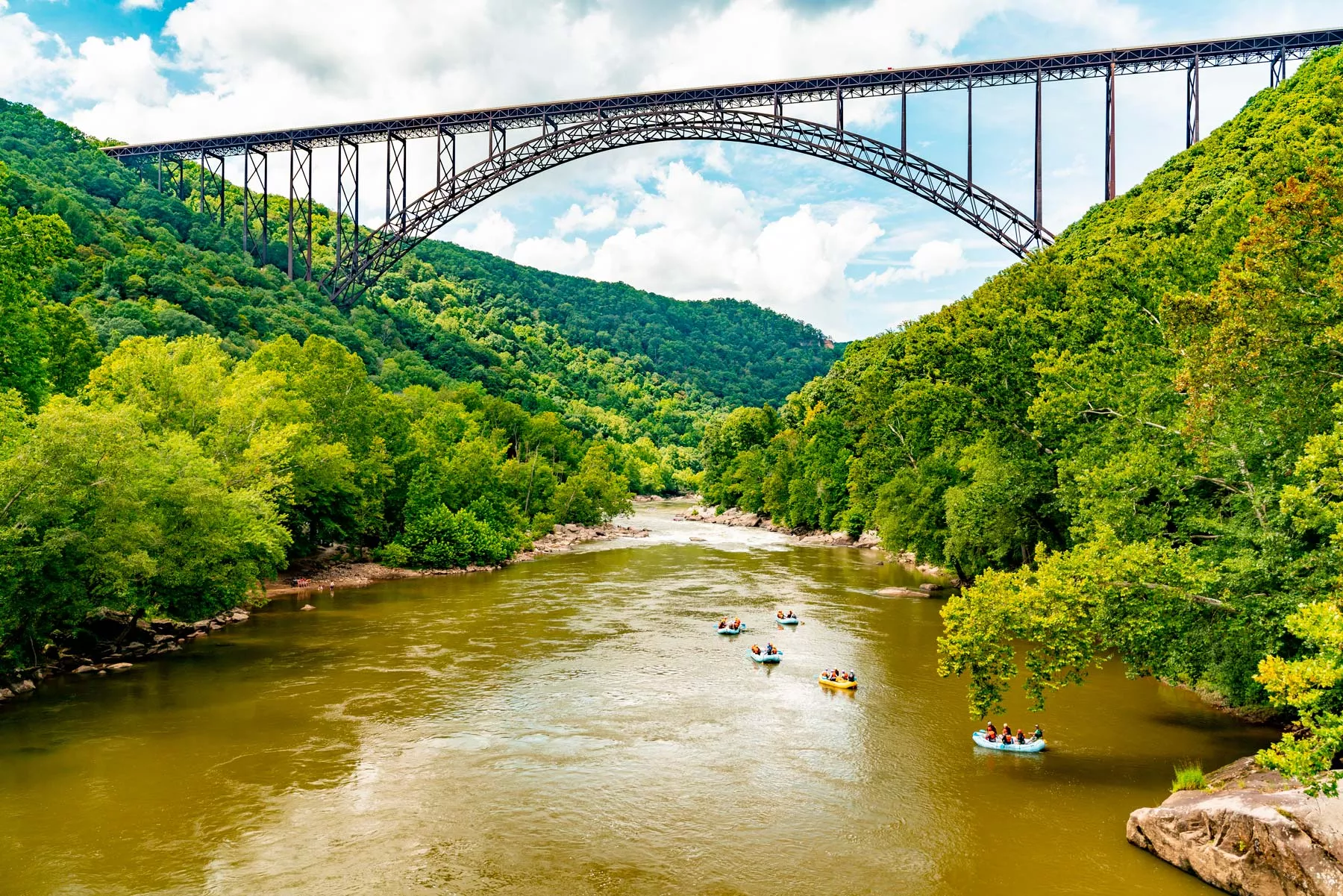
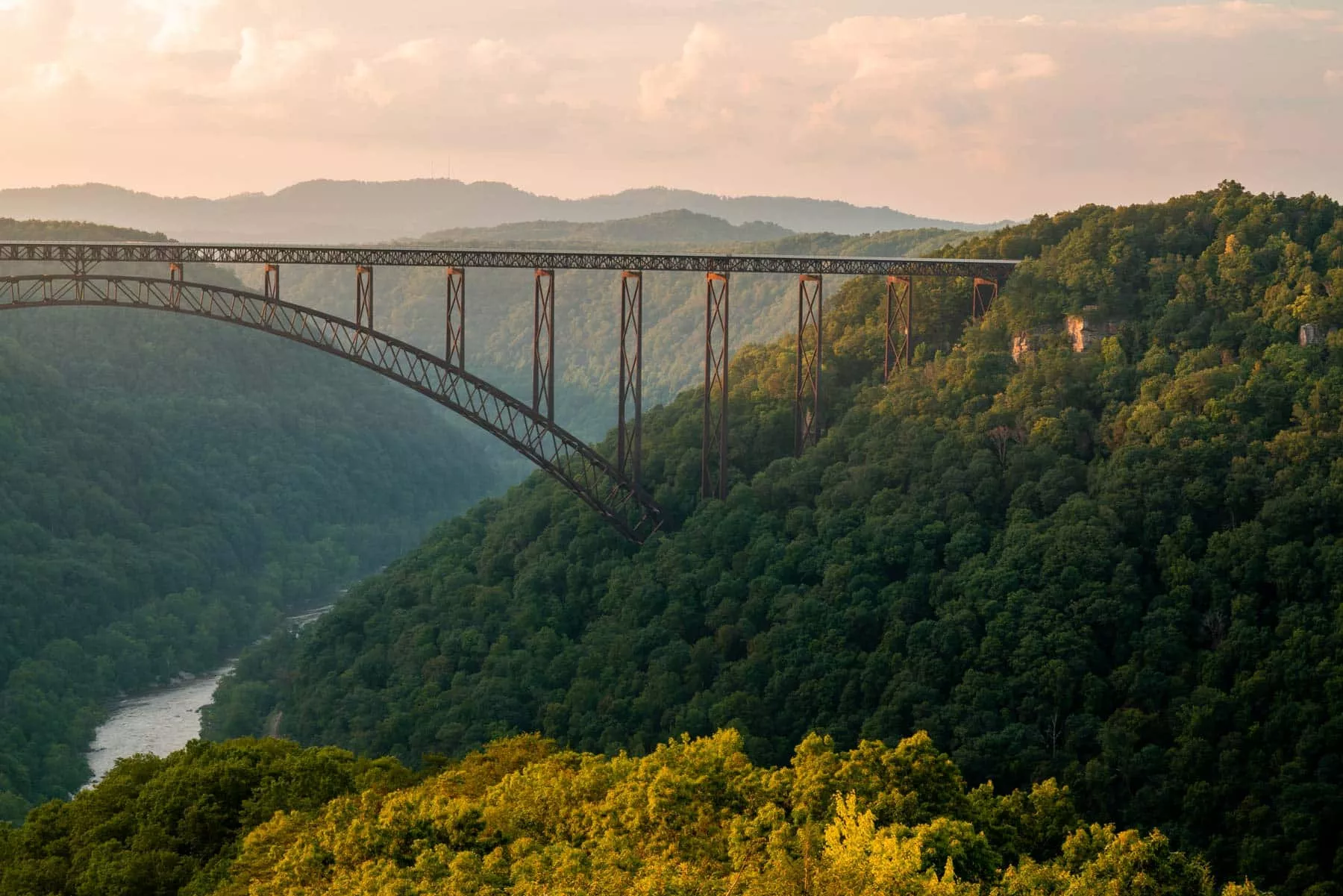
West Virginia is home to the breathtaking sites like New River Gorge National Park, the stunning Monongahela National Forest, Dolly Sods Wilderness, the Bluestone Wild & Scenic River, and 36 state parks plus 9 state forests (the Division of Natural Resources’ current count).
I mean wow. I’ve traveled all over the country to different national parks and public lands in my day, enough to know that West Virginia is a true under-the-radar spots for natural beauty.
New River Gorge became a national park in 2020. The Appalachian Mountains, world-class whitewater rafting, and spectacular fall foliage make this some of the most underrated natural scenery on the East Coast.
3. Outdoor Recreation Galore
Easily one of the best parts of living in West Virginia is the incredible access to world class outdoor recreation opportunities.
For hiking enthusiasts, there’s plenty of trails, suitable for all levels of experience including some of the best parts of the Appalachian Trail. And when it’s time to unwind, camping along the New River in New River Gorge National Park is a serene experience (and free).
If you’re looking for a bit of excitement, whitewater rafting on the Gauley River is a thrilling adventure. In the winter, skiing and snowboarding at resorts like Snowshoe Mountain make the cold season enjoyable.
For those who enjoy fishing, hunting, biking, or rock climbing, West Virginia offers plenty of opportunities including the world famous Seneca Rocks National Recreation Area.
4. Prime East Coast Location
First and foremost, living in West Virginia the easy access to major East Coast cities like D.C., Baltimore, Pittsburgh, and Columbus is a game-changer. These cities are just a short drive away, making family visits, experiencing the bustle of city life, or attending business meetings a breeze.
But it’s not just about convenience; it’s also about opportunities. Being situated right in the heart of the East Coast opens up a world of possibilities. We’ve got a wide range of job opportunities, educational institutions, and cultural experiences within a day’s drive.
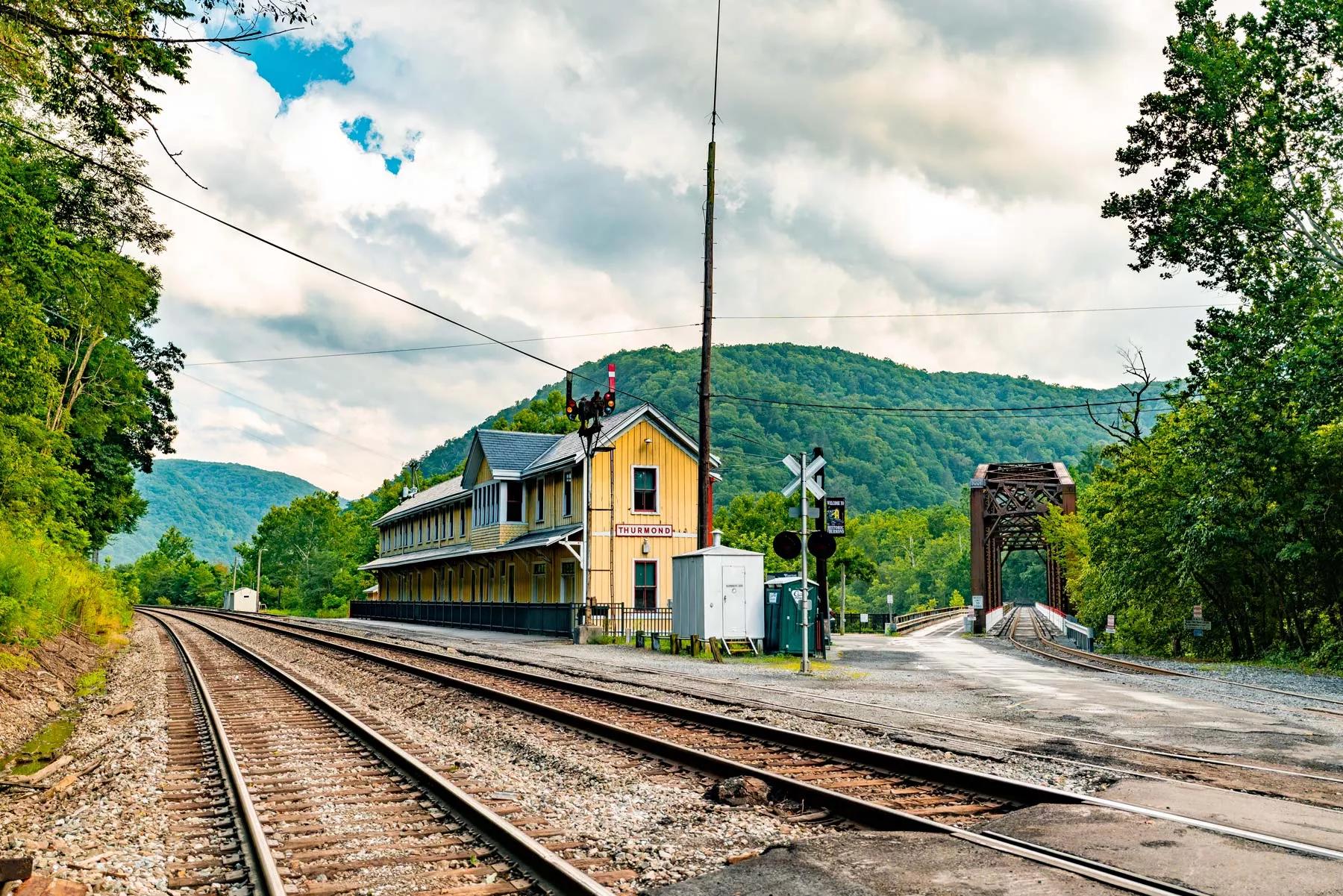
Plus, we’ve got easy access to Amtrak depending on where you live which means you don’t have to drive or fly if you don’t want to.
Living in West Virginia often means enjoying a lower cost of living compared to nearby big cities. So we can have all the perks of urban life without the hefty price tag.
5. Houses Are Still Affordable
In a day and age where owning a home has become so unattainable for so many I’ve got good news. The dream of home ownership is still alive and well in West Virginia.
In fact, West Virginia has the lowest typical home value of any state on Zillow’s index. As of August 2026 it is $179,496Typical home value, Zillow, August 2026. West Virginia. Updates itself when the source does., against a national figure of roughly $373,000, and Charleston sits at $172,278 (June 2026), well below the national average. Property tax is the other half of the story. The effective rate on an owner-occupied home is 0.51% (Tax Foundation, 2026), one of the lowest in the country, so the cheap house stays cheap after you buy it.
6. History & Charm
West Virginia’s got a special kind of charm that’s rooted in its history. We’re unique, having split from Virginia during the Civil War in 1863 to remain in the union. That’s a proud part of the state’s identity.
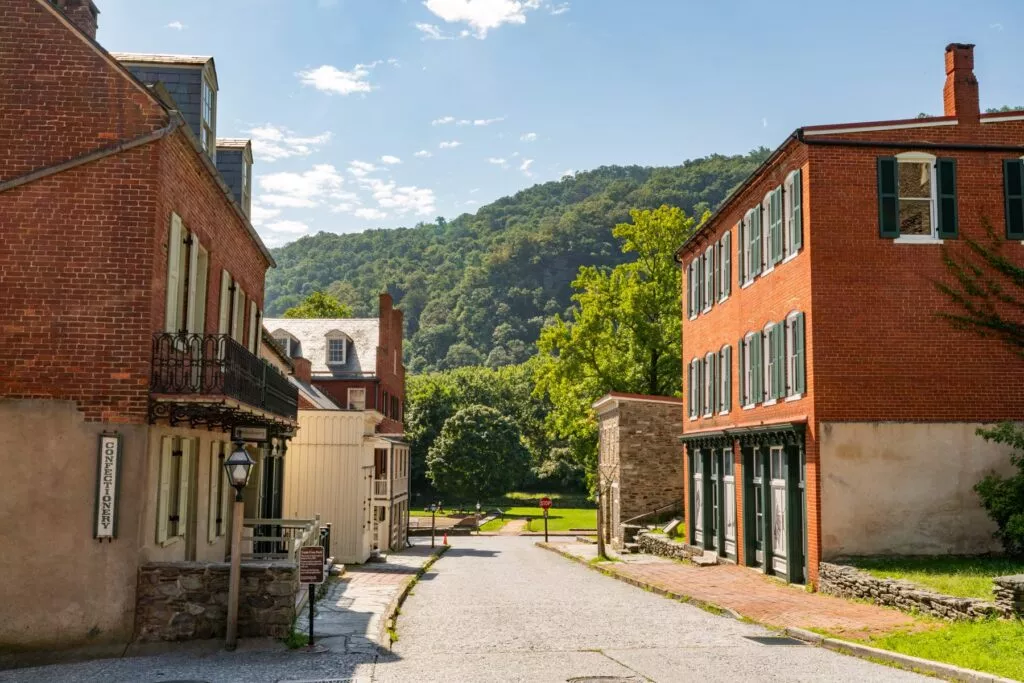
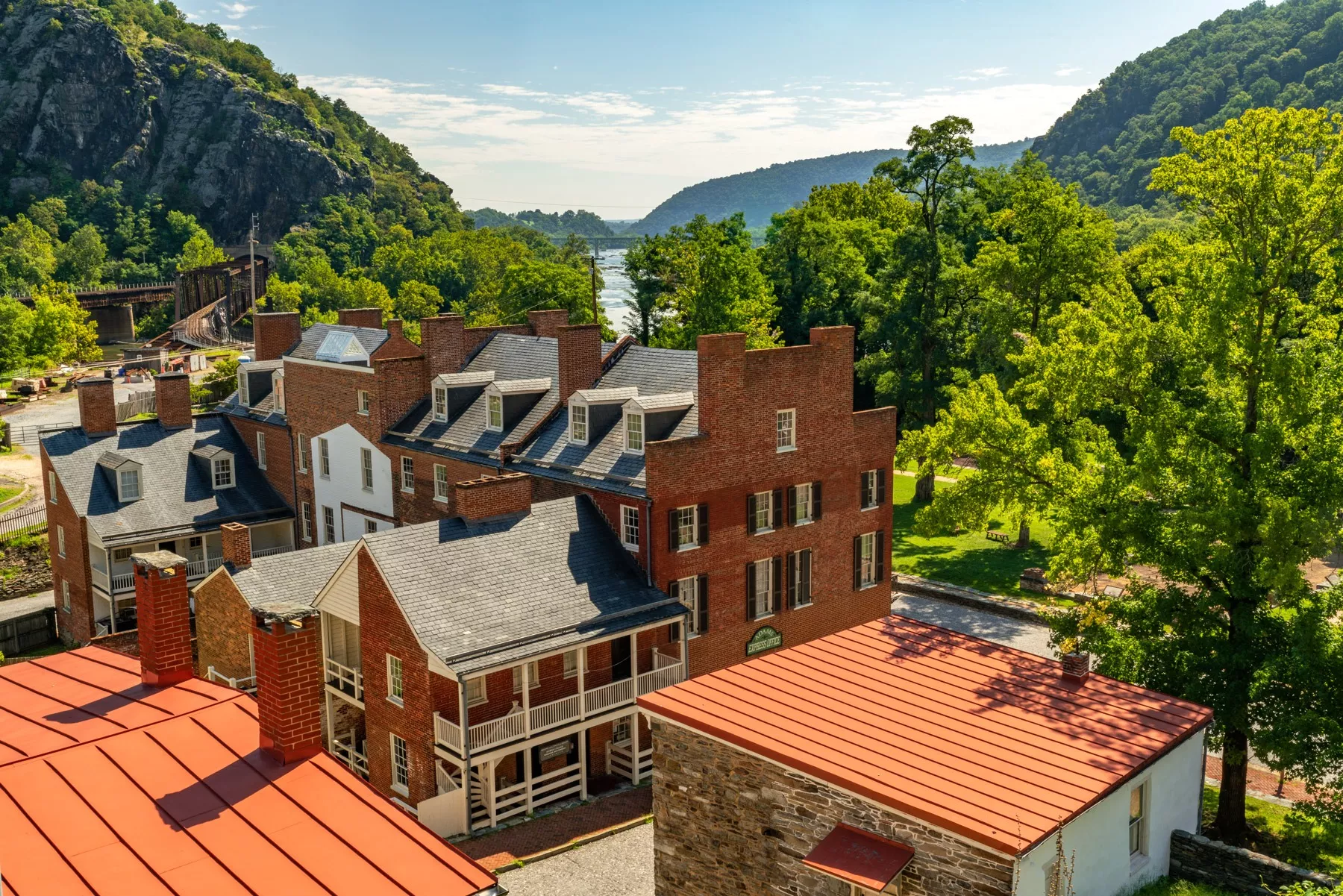
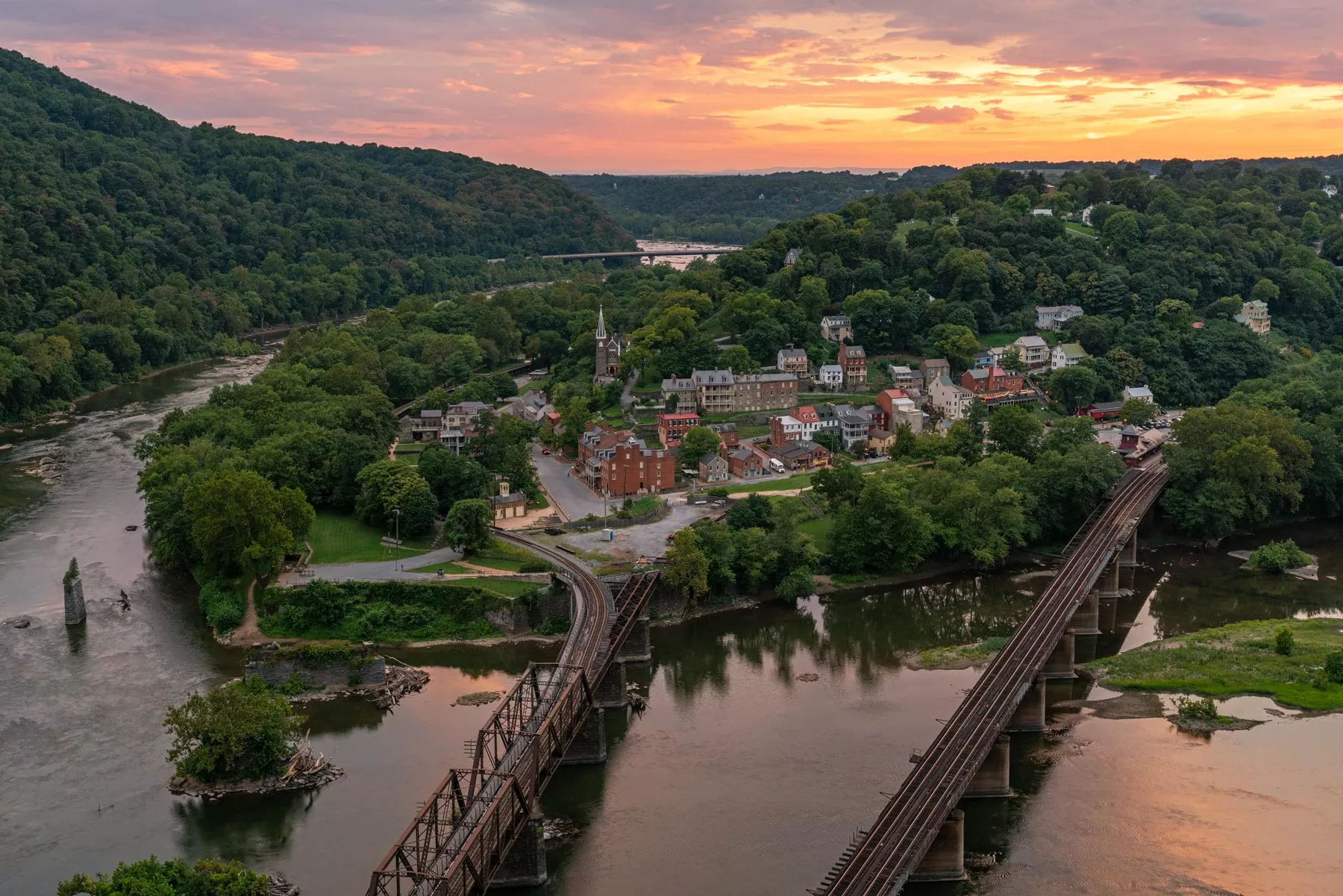
Take Harpers Ferry, for example, where two beautiful rivers meet and where John Brown’s raid happened. That’s the stuff they teach you in school, but when you’re actually there, walking through those old streets, it feels like you’ve traveled back in time.
There’s lots of small towns here that feel like something out of a storybook. Take Lewisburg or Shepherdstown – these places have such quaint main streets, with local shops and buildings that have been standing for over a century.
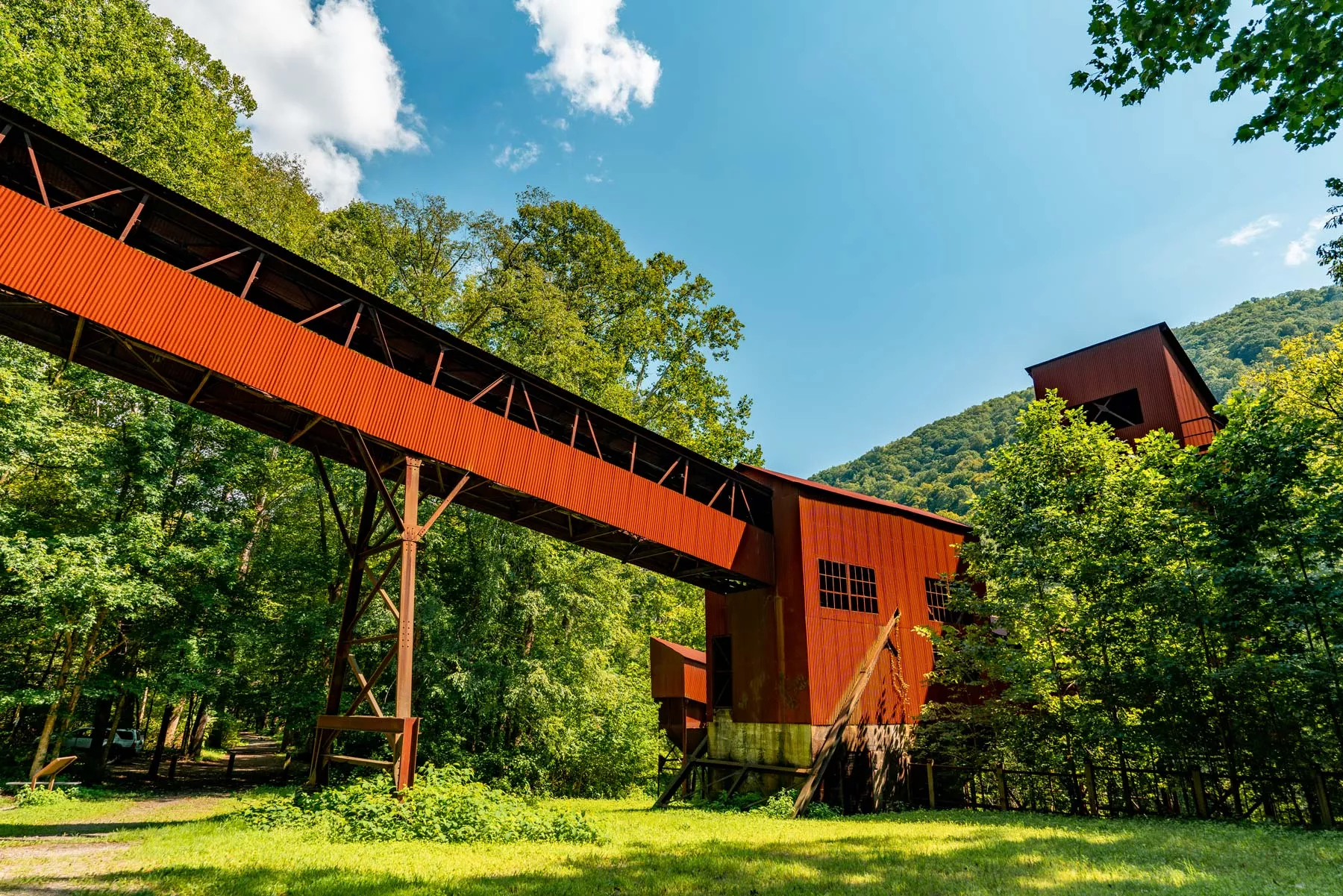
And then, there’s our coal mining heritage. It’s a tough history, but it’s ours. You can drive down the Coal Heritage Trail and see the old mining towns. It gives you a real sense of what life was like for the miners back in the day.
7. Sense of Community
The sense of community you find in West Virginia is real.
In small towns and rural areas, it’s like everyone knows your name. These are the kind of folks who wave hello when you pass by and aren’t shy to lend a helping hand when a neighbor’s in need.
Our Appalachian roots run deep, and they’re a big part of what keeps us close. We love our traditional music, craft fairs, and storytelling.
Sure we’ve seen our share of tough times, especially with the mines closing. But that’s just made our community stronger. We stick together, whether it’s through big community projects or just looking out for each other in everyday life. That sense of togetherness is what makes living here really special.
Cons of Moving to West Virginia
1. We’re Uneducated
Now I can’t predict the future but I’ve got a hunch I’ll be getting some strongly worded comments about this one but hear me out.
Facts are stubborn things. West Virginia is the least educated state in the country in WalletHub’s January 2026 ranking, dead last in both attainment and quality, with 24.1% of adults holding a bachelor’s degree. It’s embarrassing, and despite years of maintaining this status nothing seems to change.
When you’re the least educated state in the country that leads to predictable outcomes many of which I’ll be detailing below. It impacts every square inch of the state and perpetuates the cycle of less desirable outcomes for our residents.
2. Terrible Educational System
Predictably, we have a terrible education system. The good news here is that we’re no longer dead last. The bad news is that we’re not far from it. WalletHub’s July 2025 school-systems ranking put West Virginia 45th of 50, and 48th on quality alone, and the engineers who graded our infrastructure in December 2025 gave our school buildings a D minus. I guess that’s improvement?
The schools in this state are a joke and it makes raising children here a difficult task. Personally I’ve held off having kids because of this. Where could I possibly send them for a decent education?
Private schools aren’t cheap but they’re really the only option to give your kids a chance it seems. The state’s answer is the Hope Scholarship, which opened to every K-12 student for the 2026-27 school year, about $5,436 per child toward private school or homeschooling. By June 2026, 26,617 families had applied and the tab was already $155 million. It helps with tuition. It doesn’t build a better school down the road.
3. Extreme Poverty
Poverty in West Virginia is a stark and persistent reality, and I’ve seen it affect countless lives in my years here. The evidence is clear: West Virginia ranks 4th in the nation for percentage of residents in poverty, 16.7% in 2024 by the Census Bureau’s count (released September 2025) against 12.1% nationally. Child poverty is worse, at 21.6%.
Unemployment isn’t the culprit anymore. It was 4.0%Unemployment rate, BLS, August 2026. Preliminary. Updates itself when the source does. in August 2026. The culprit is what the jobs pay. GDP per capita was $47,100 in 2025, 49th of 50 states, and that gap is what keeps families struggling.
Rural areas face additional challenges, including limited access to education and healthcare, exacerbating the cycle of poverty. It’s really sad to witness the impact of poverty on our communities, from food insecurity to inadequate housing. If you’re thinking about moving to West Virginia consider how this might affect your own situation. If it’s the mountains you’re after more than the price tag, Knoxville and Chattanooga get you Appalachia with a working job market.
4. Basic Infrastructure Woes
Living in West Virginia it’s very apparent our roads and transportation systems are a major concern. Potholes, inadequate maintenance, and aging infrastructure make driving a daily ordeal. It’s not just an inconvenience; it’s a safety issue.
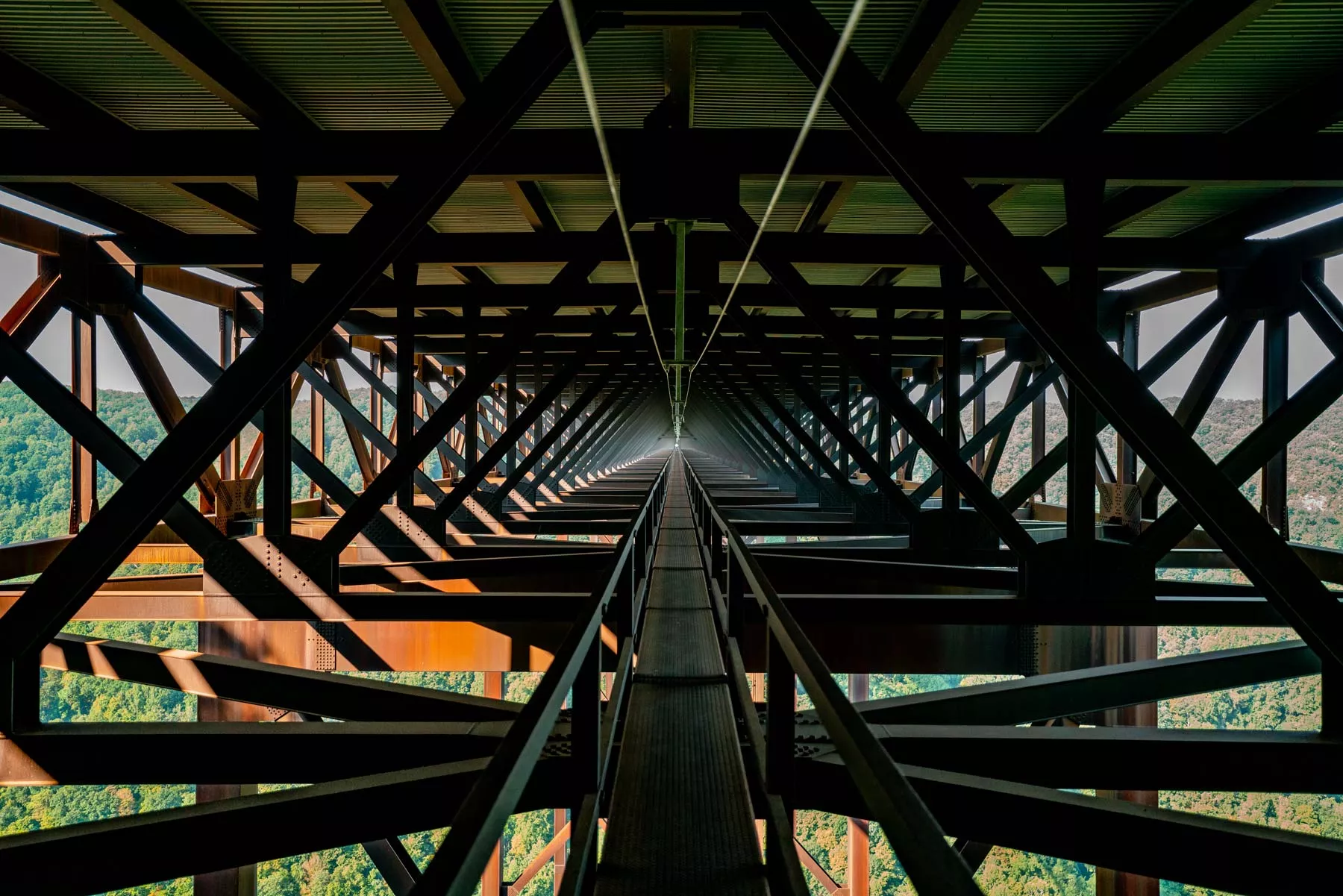
The American Society of Civil Engineers gave West Virginia’s infrastructure a D+ in its December 2025 report card. Roads got a C minus and bridges a D+, with 19% of our roughly 7,300 bridges rated poor against a national average of 6.8%. The report blamed a shrinking population for weakening the gas-tax and user-fee money that pays for repairs, which is a polite way of saying it gets worse before it gets better. Public transportation options are limited, especially in rural areas, which can isolate residents who rely on them.
Our broadband internet coverage is inadequate, hindering education, remote work, and economic development. The federal BEAD plan approved in November 2025 is supposed to wire 73,560 more locations by the end of 2026, down from the 110,000 first promised. If you work from home, check the address before you sign a lease.
While some of these issues are being addressed thanks to the recent Bipartisan Infrastructure Deal, there’s still a long ways to go to get us up to speed with the rest of the country.
Coal jobs fell from 60,000+ in the 1980s to under 15,000 today (14,014 in 2023, the state mine safety office’s most recent full-year count). Job options outside of healthcare and government are limited. The state has been losing population for decades, from a peak of 1.95 million in 1950 to about 1.77 million now, and the Census Bureau’s 2025 estimate shows another 1,300 gone in a year, with deaths outnumbering births by 7,900.
5. One of the Worst Healthcare Systems in America
If you thought the cons of living in West Virginia couldn’t get any worse you were sadly mistaken. WalletHub’s July 2025 ranking put West Virginia 46th of 50 for health care, and we pay the highest average monthly insurance premium of any state for the privilege. Lucky us.
Access to healthcare facilities can be a nightmare, especially in remote areas where hospitals are scarce. The stats don’t lie; we’ve got some of the highest rates of chronic illnesses like obesity and diabetes in the nation. It’s a daily struggle for many due to limited access to doctors and specialists.
The shortage of healthcare professionals is evident; wait times for appointments can be painfully long. Our economic hardships make matters worse, with poverty and lack of insurance blocking people from essential care.
Mental health and addiction services often fall short of the demand, particularly in our fight against the opioid crisis. And let’s face it, health disparities persist; income, education, and where you live can determine your health outcomes here.
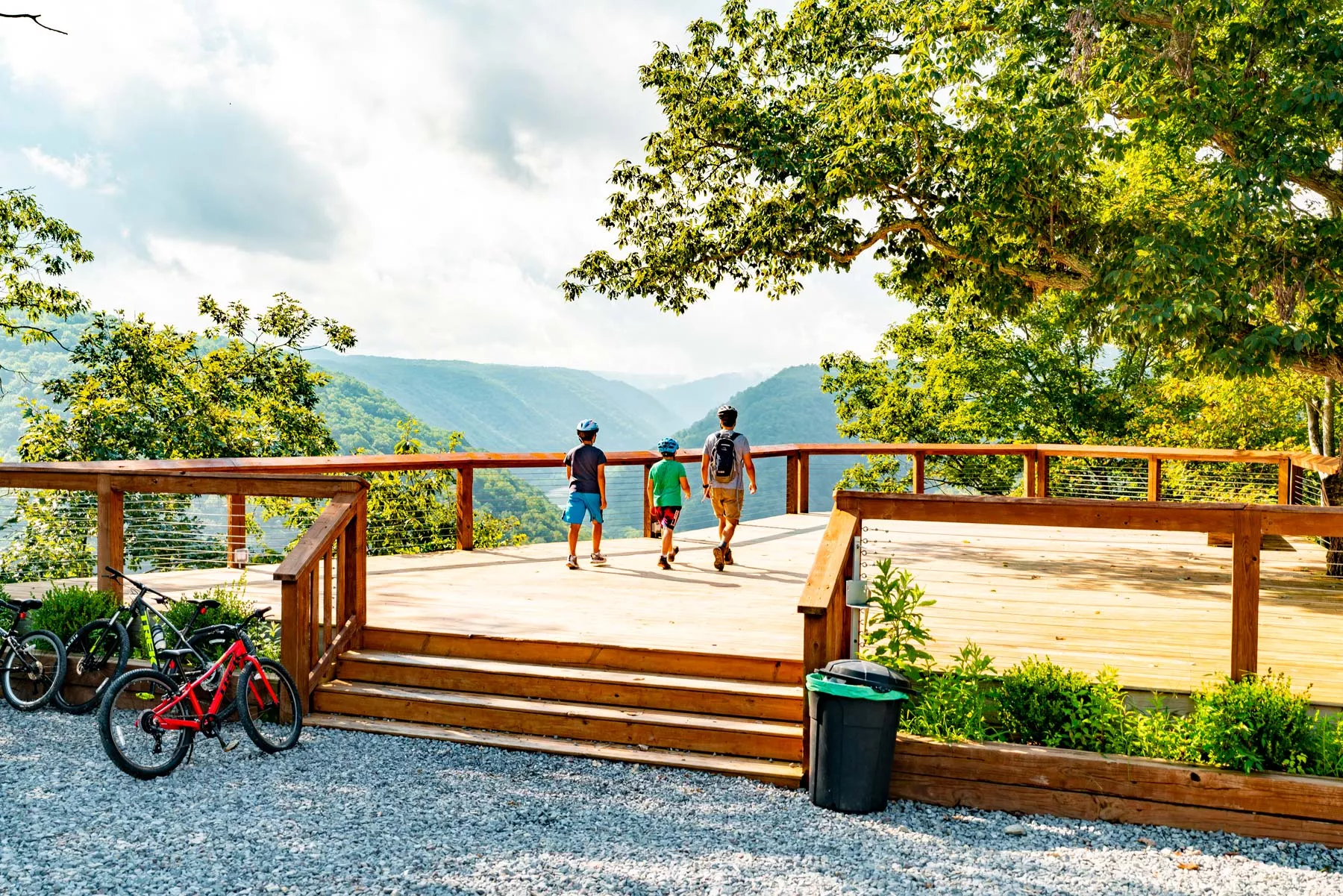
6. One of the Unhealthiest States in the US
It’s no surprise that with an awful healthcare system comes a lack of general well-being. But the reality of it here on the ground is grizzly. Full stop, West Virginia is one of the unhealthiest states in America. SmartAsset’s January 2026 study ranked us dead last, and America’s Health Rankings’ 2025 report has us fifth from the bottom.
Our state tops the charts in several devastating health categories, including cancer incidence, diabetes prevalence, cancer and diabetes mortality, heart disease mortality, kidney disease mortality, and chronic lower respiratory disease.
It’s disheartening to note that we’re also near the bottom for healthy lifestyle habits and health outlook.
To compound these issues, West Virginia faces a devastating opioid crisis, with the highest drug overdose death rate in the country (44.1 per 100,000 people in 2024, per the CDC). Smoking rates are excessively high, 22.3% of adults in that January 2026 study, the worst in the country, and obesity is a significant concern, with 41.5% of adults obese, the highest rate in the nation.
7. Highest Drug Overdose Mortality Rate in America
As a longtime resident, it’s impossible to ignore the devastating impact of drug addiction and overdose in our state. West Virginia has the highest drug overdose mortality rate in America, 44.1 deaths per 100,000 people in 2024 by the CDC’s final count, with Alaska next at 42.7.
The evidence is all around us, and it’s heart-wrenching. West Virginia has been at the forefront of the opioid epidemic, with some of the highest rates of opioid-related deaths in the nation. Our communities have been ravaged by prescription painkillers, heroin, and deadly synthetic opioids like fentanyl.
The toll on our families is undeniable. Addiction fractures relationships, shatters homes, and leaves a trail of heartbreak. Many of us have lost loved ones to overdoses, and it’s a pain that lingers.
While strides have been made to increase access to addiction treatment and harm reduction programs, the reality is that resources can still be scarce, leaving some without the help they desperately need. Our state is grappling with this crisis, and it’s a battle we face daily. We must continue to address this issue honestly and compassionately to work towards a better future for West Virginians.
West Virginia has the highest drug overdose death rate in the nation, especially devastating in the southern coalfields. The one genuinely good number in this whole post is that the CDC’s provisional count for the twelve months ending September 2025 shows overdose deaths down 48% year over year, the steepest drop in the country. It’s still an ongoing public health emergency. It’s just finally moving in the right direction.
8. A Tragically Low Life Expectancy
The state’s embrace of the Almost Heaven mentality is somewhat ironic because living here, you’ll get there faster. West Virginia has the lowest life expectancy in America.
The average life of a West Virginian is a devastating 72.2 years, per the CDC’s 2022 state life tables (published December 2025). That’s nearly 8 years less than someone born in Hawaii, where it’s 80.0, and more than 5 years under the national 77.5. We used to be second worst. Mississippi passed us.
Economic hardships also play a role; poverty and lack of insurance hinder many from seeking timely medical attention. The evidence is clear in our income levels and health disparities compared to wealthier states.
The opioid crisis has hit us like a wrecking ball, leading to addiction-related deaths that further drag down our life expectancy. These are tough truths to face, but it’s essential to acknowledge these challenges to work toward a healthier future for West Virginians.
FAQ – Living in West Virginia
Is West Virginia a good place to live?
Is West Virginia a good place to live?
West Virginia is good place to live for those who cherish nature, prefer a slower pace of life, and seek a lower cost of living. It’s a haven for outdoor enthusiasts, with abundant hiking, fishing, and hunting opportunities. Retirees looking for a peaceful, affordable place and individuals or families seeking to own a home without financial strain will find it attractive. However, it’s less suited for those looking varied urban experiences, need quality medical care, or families looking for good educations for their children. The state’s rural charm and community-focused lifestyle appeal to those who prioritize natural beauty and simplicity over metropolitan amenities and conveniences.
What’s the cost of living in West Virginia?
What’s the cost of living in West Virginia?
West Virginia has one of the lowest costs of living in America, 87.0Cost of living index, MERIC, second quarter of 2026. housing 69.9. Updates itself when the source does. on MERIC’s second quarter of 2026 index and 4th lowest in the country. Housing prices are significantly lower than the national average (Zillow’s typical home value is $179,496Typical home value, Zillow, August 2026. West Virginia. Updates itself when the source does. as of August 2026, the lowest of any state), making homeownership more accessible. The costs for utilities, groceries, and healthcare are also generally affordable. However, this affordability can be offset by limited job opportunities and lower average incomes compared to other states. The rural nature of much of the state can mean additional costs For transportation and accessing certain services.
What is West Virginia known for?
What is West Virginia known for?
West Virginia is known for its stunning Appalachian landscapes, including the majestic Blue Ridge Mountains and the scenic Shenandoah Valley. It’s a haven for outdoor enthusiasts, offering activities like hiking, whitewater rafting, and skiing. The state’s long history is tied to the coal mining industry, and it’s celebrated for its unique Appalachian culture, including music, folklore, and crafts. West Virginia also played a significant role in American history, particularly during the Civil War, after separating from Virginia. The song “Country Roads” by John Denver, famously referencing West Virginia, highlights its natural beauty and rural charm.
Map of West Virginia
Summary of the Pros & Cons of Living in West Virginia
- One of the Lowest Costs of Living in America
- Spectacular Natural Scenery
- Outdoor Recreation Galore
- Prime East Coast Location
- Houses Are Still Affordable
- History & Charm
- Sense of Community
- We’re Uneducated
- Terrible Education System
- Extreme Poverty
- Basic Infrastructure Woes
- One of the Worst Healthcare Systems in America
- One of the Unhealthiest States in the US
- Highest Drug Overdose Mortality Rate in America
- Tragically Low Life Expectancy
Pros vs Cons of Living in West Virginia
| Pros | Cons |
|---|---|
| 1. One of the Lowest Costs of Living in America | 1. Terrible Education System |
| 2. Spectacular Natural Scenery | 2. Extreme Poverty |
| 3. Outdoor Recreation Galore | 3. Basic Infrastructure Woes |
| 4. Prime East Coast Location | 4. One of the Worst Healthcare Systems in America |
| 5. Houses Are Still Affordable | 5. One of the Unhealthiest States in the US |
| 6. History & Charm | 6. Highest Drug Overdose Mortality Rate |
| 7. Sense of Community | 7. Tragically Low Life Expectancy |
| 8. We’re Uneducated |
Pin Living in West Virginia
Helpful Related Articles
Living in South Carolina: 15 Honest Pros & Cons of Living in South Carolina
Living in Kentucky: 15 Honest Pros & Cons of Living in Kentucky
Living in West Virginia: 15 Honest Pros & Cons of Living in West Virginia
Living in Virginia: 15 Honest Pros & Cons of Living in Virginia
Best Places to Live in Virginia: 10 Best Places to Live in Virginia
Living in North Carolina: 15 Honest Pros & Cons of Living in North Carolina
Living in Tennessee: 15 Honest Pros & Cons of Living in Tennessee
Questions people ask about West Virginia
Is West Virginia a good place to live?
West Virginia is one of the most beautiful and most affordable states in the country, and those two things together make it appealing for a very specific kind of person. The Appalachian landscape is stunning: gorges, rivers, forests, and mountains that rival anything in the East. The outdoor recreation (whitewater rafting, hiking, rock climbing) is world-class. The cost of living is among the lowest in the nation, and Zillow’s typical home value of $179,496Typical home value, Zillow, August 2026. West Virginia. Updates itself when the source does. (August 2026) is the lowest of any state. The downsides are significant: the economy has been in decline for decades as coal has faded, job opportunities are limited, healthcare access is poor in many areas, the opioid crisis has hit harder here than almost anywhere, and infrastructure is lacking. If you work remotely and want cheap land with mountain views, WV is worth considering. If you need a local job market, it will be a struggle.
What is the cost of living in West Virginia?
West Virginia is one of the cheapest places to live in the entire country, 87.0Cost of living index, MERIC, second quarter of 2026. housing 69.9. Updates itself when the source does. on MERIC’s second quarter of 2026 index and 4th lowest in the country. Zillow’s typical home value statewide is $179,496Typical home value, Zillow, August 2026. West Virginia. Updates itself when the source does. as of August 2026, the lowest of any state, and Charleston sits at $172,278. Zillow’s statewide median rent is about $1,000 a month, with Charleston around $1,160. State income tax runs from 2.11% to 4.58% after the January 2026 cut, the effective property tax rate is 0.51%, sales tax is 6% (6.59% average with local add-ons), and homeowners insurance averages around $1,620 a year. The catch is that wages are correspondingly low. GDP per capita was $47,100 in 2025, 49th of 50 states. The affordability is most advantageous for remote workers, retirees on fixed incomes, or anyone bringing outside income.
What should I know before moving to West Virginia?
Infrastructure is the biggest challenge you will face. Many roads are winding, narrow mountain roads that add significant time to any drive, and the American Society of Civil Engineers graded the state’s infrastructure a D+ in December 2025. Cell service is spotty in rural areas, and internet access is limited or slow outside of the larger towns; the federal broadband build-out approved in November 2025 is due to reach 73,560 more locations by the end of 2026. If you work remotely, verify that reliable internet is available at any address before committing. Healthcare access is a real concern: many rural areas have lost hospitals and clinics, and you may need to drive an hour or more for specialty care. The opioid crisis is visible and has affected communities across the state, although overdose deaths fell 48% in the year ending September 2025. Flooding is a recurring problem in the river valleys; southern counties flooded in February 2025 and Lewis and Upshur counties received a federal disaster declaration in August 2026. On the positive side, the people are genuinely welcoming and the sense of community is strong. Just go in with realistic expectations about what the state can and cannot provide in terms of services and amenities.
Related Reading
- 15+ Best Places to Live in the South
- Pros & Cons of Living in Ohio
- Pros & Cons of Living in Pennsylvania
- Pros & Cons of Living in Maryland
- Pros & Cons of Living in Virginia
- Pros & Cons of Living in Kentucky
Figures marked with a dotted line update themselves from BLS, MERIC and Zillow. Last checked September 21, 2026.
Locals and prospective movers describe a place where cost and weather score high but people skills lag, and only a third of reviewers say they’d choose it again. The recurring theme is that everything depends on which corner of the state you land in: some pockets are tolerant and welcoming, especially in the Eastern Panhandle and university towns, while other areas carry the reputation for crime and homelessness that scares newcomers off.
Retirees keep showing up in the thread because low cost and mild seasons make it attractive once a career and schools are off the table. A five-year resident says cheap living kept them there despite plenty needing fixed, while others warn that homelessness in cities like Charleston and homophobia in certain communities are real concerns worth checking before you sign a lease.
“WV is a great place to live, work, raise a family and RETIRE!”
Paula Mason Reader
“West Virginia is super homophobic and transphobic.”
Clementine Reader
“Worth visiting a few towns before committing.”
The Honest Local Reader