Pros of Living in the US Virgin Islands
1. It’s Stunningly Beautiful
I remember before my first time visiting the US Virgin Islands I thought this place couldn’t possibly be as beautiful as it was in photos. It had to be photoshopped or something, at least a bit. Nope.
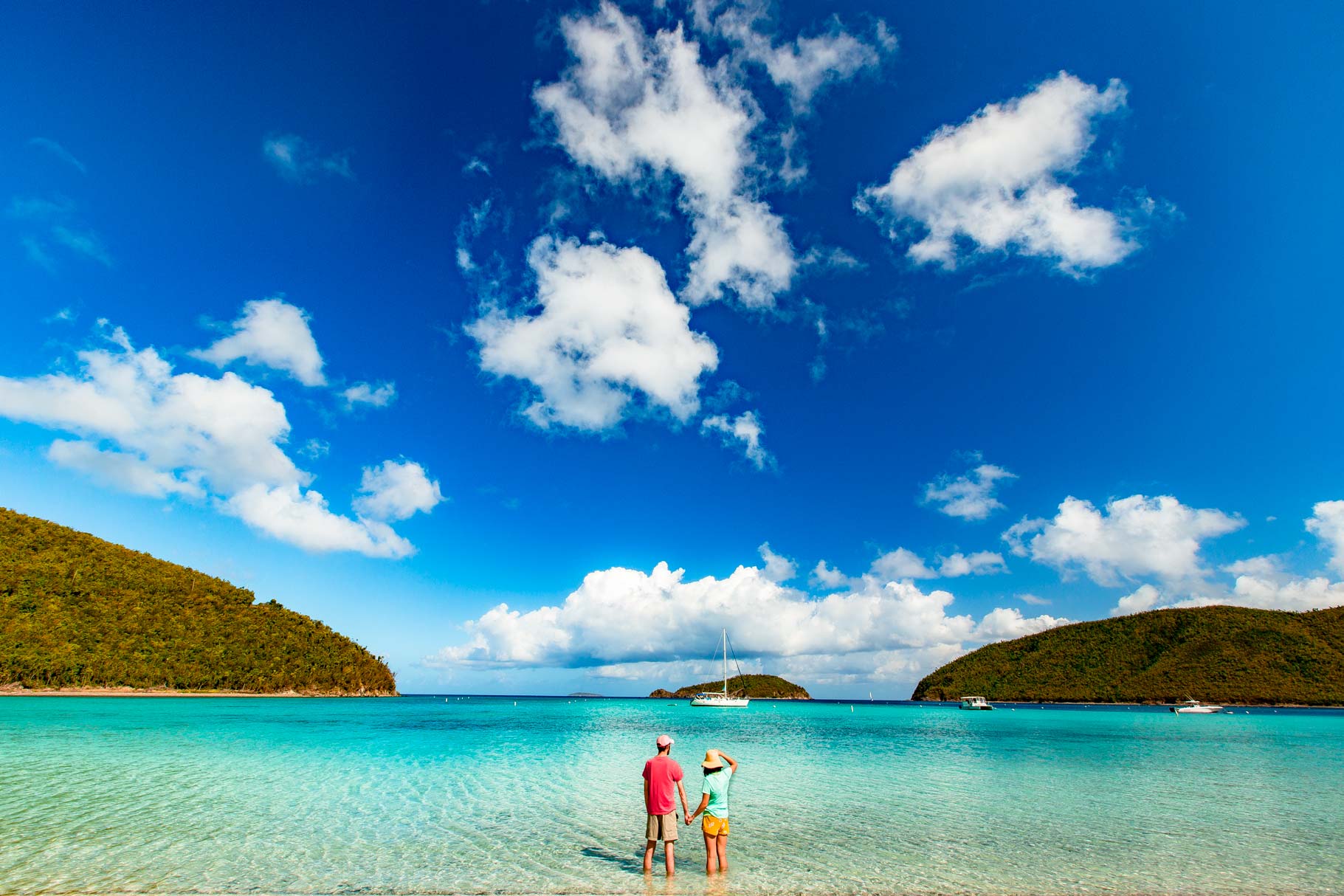
Living in the US Virgin Islands now I can say it is even more beautiful than the stunning photos. The water is an unfathomable turquoise blue, the lush green vegetation is amazing, the setting is like something out of a movie or fairy tale. Just wow.
I pinch myself every morning walking out onto my balcony, looking out at the ocean, and breathing in that lovely tropical air.
2. Nature Beyond Belief
Continuing on the theme of the pinch me type of amazing things, living in the US Virgin Islands your access to breathtaking nature is unparalleled.
Obviously there’s the beaches (more on that below) and ocean. There are so many pristine bays here that on any given day (outside the tourist season) feel like your own private spot.
Then there’s US Virgin Islands National Park which is another level of beauty with so many trails and sites. Trunk Bay is constantly rated as one of the most beautiful places in the world. Beyond that there’s a huge amount of trails like the Reef Bay Trail which is my personal favorite.
The ecological diversity here is next level, featuring lush rain forests, vibrant coral reefs, and a wealth of unique flora and fauna. Watching iguanas is a favorite lazy day activity of mine.
Living in the US Virgin Islands for as many years as I have, I can say this place never gets old from a natural beauty standpoint.
3. Bountiful Outdoor Activities
With the amount of incredible nature comes a host of ways to take advantage of the great outdoors.
The most cherished pastime here is exploring the crystalline waters that surround us. Whether it’s snorkeling along our vibrant coral reefs, swimming with (but never touching) the sea turtles, or simply taking a leisurely swim in the sea, the ocean is an integral part of our daily lives.
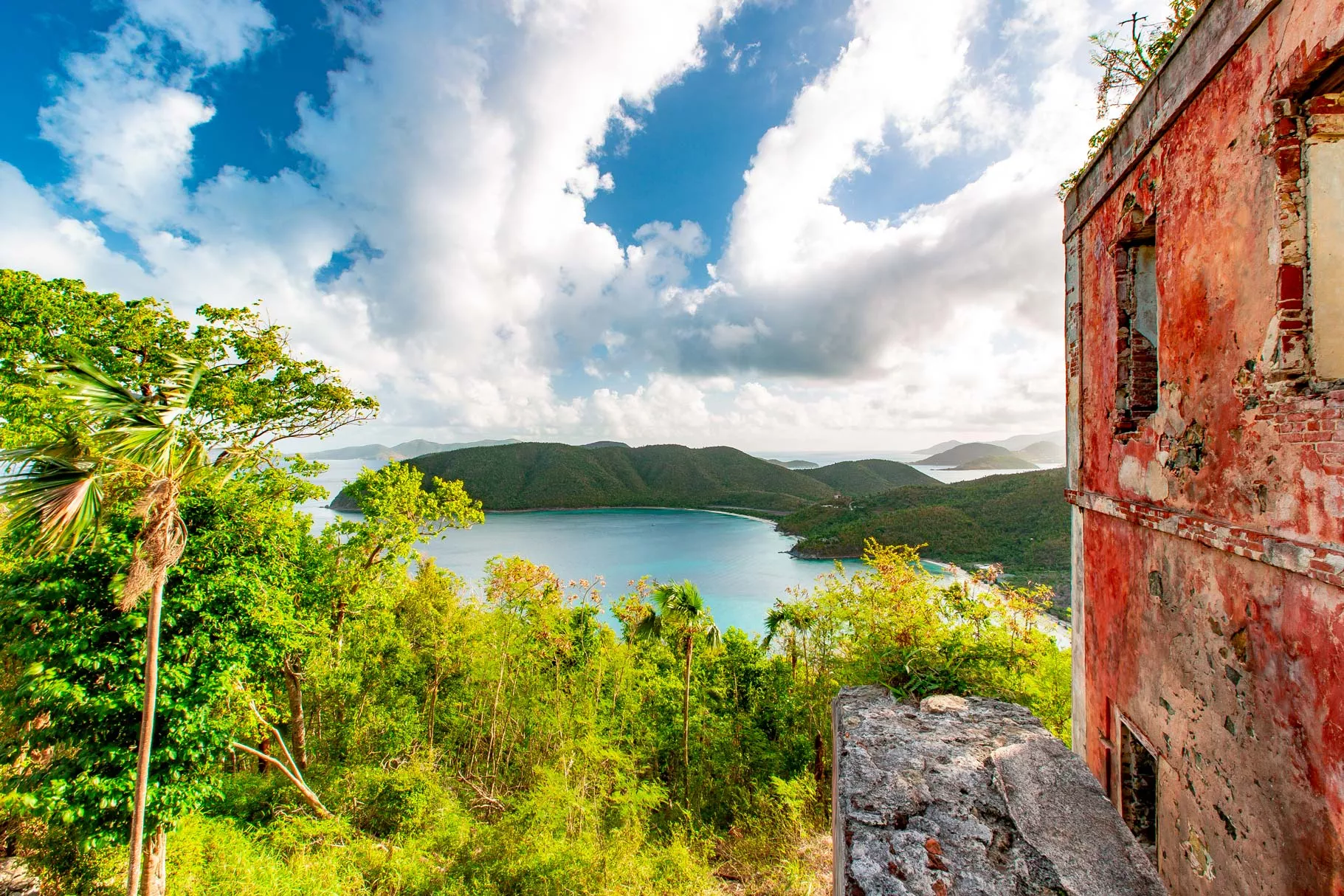
Beyond the coastline, there are hiking trails that lead to hidden waterfalls, lush rain forests teeming with wildlife, and rugged peaks with panoramic views.
For those seeking a little more excitement, the islands offer opportunities for windsurfing, kiteboarding, sailing, and even deep-sea fishing. Living in the US Virgin Islands is a lifestyle where weekends are filled with exploring new coves, kayaking through mangrove forests, and picnicking on secluded beaches.
4. It’s Always Sunny
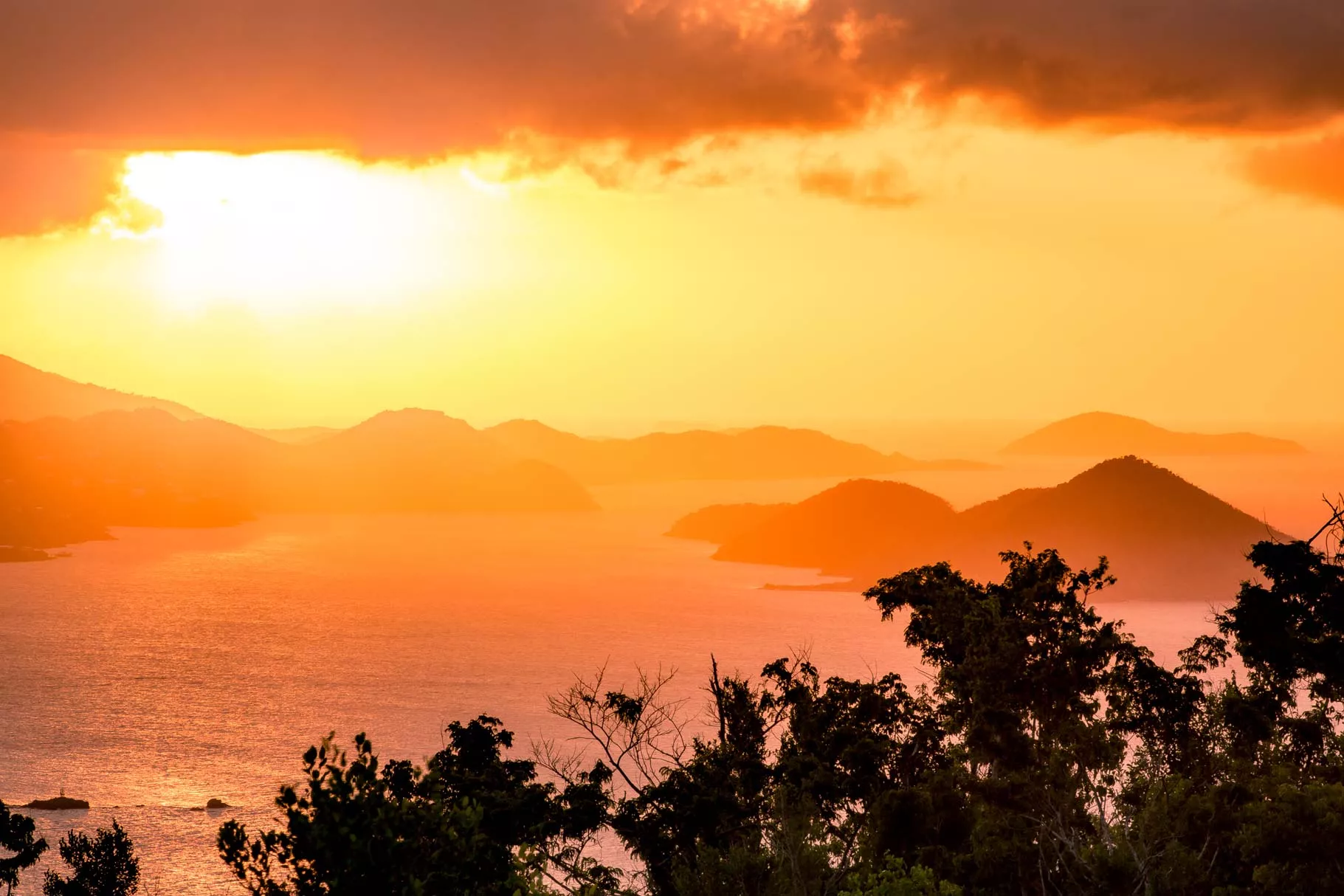
Over the years I’ve found that the sun (or lack thereof) has a major impact on my mood and outlook. So, I’ve found living in the US Virgin Islands is the perfect antidote against the gray day blues.
Rare is the day here that goes by without at least the sun making an appearance. Sure we get plenty of rain but usually it comes and goes pretty quickly with the sun on either side.
With that being said I’m pretty fair skinned and take sun protection very seriously as a way of life. Reef friendly sunscreen is a necessity here as are sun hats, UV clothing etc.
5. Lovely Tropical Climate
Living in the US Virgin Islands I find the climate really agrees with me. That’s not to say it’s for everyone. Personally, I love the heat (to an extent) and the warmth. I love being able to wear a t-shirt, shorts, and sandals year-round.
Originally I’m from the south so the humidity here doesn’t bother me but if you’re sensitive to it then you’ll definitely want to visit for at least a month before moving to the US Virgin Islands.
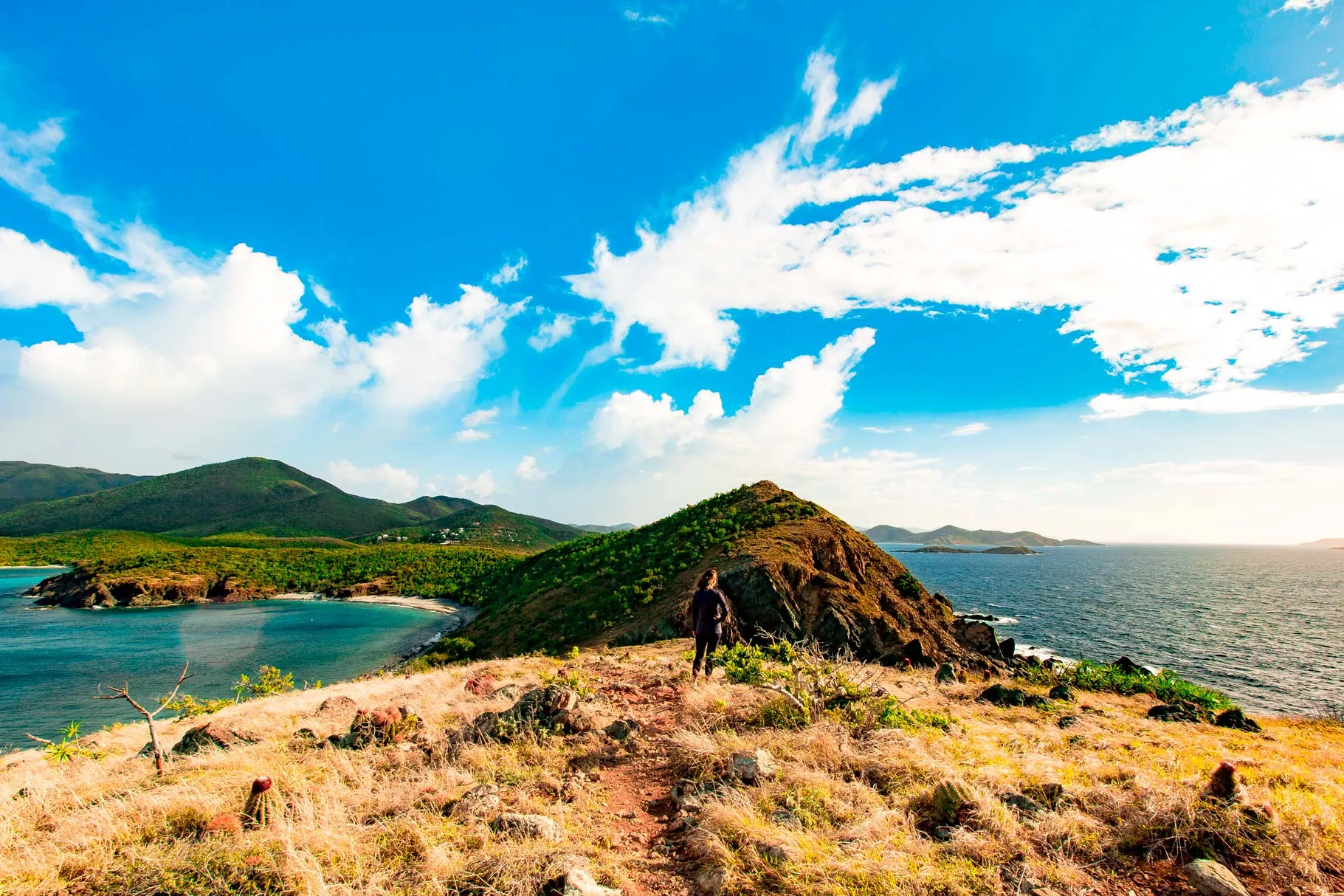
It’s interesting to note that we get a mix of humid and arid, desert-like climate zones here. On the southeastern side of St. John for example, the climate is arid enough to the point where cacti are common.
| Month | Average High (°F) | Average Low (°F) | Rainy Days |
|---|---|---|---|
| January | 83 | 74 | 10 |
| February | 83 | 74 | 7 |
| March | 83 | 75 | 7 |
| April | 84 | 76 | 7 |
| May | 85 | 78 | 9 |
| June | 88 | 80 | 7 |
| July | 88 | 80 | 10 |
| August | 89 | 80 | 10 |
| September | 88 | 80 | 10 |
| October | 88 | 79 | 12 |
| November | 86 | 77 | 12 |
| December | 84 | 76 | 12 |
6. Spectacular Beaches
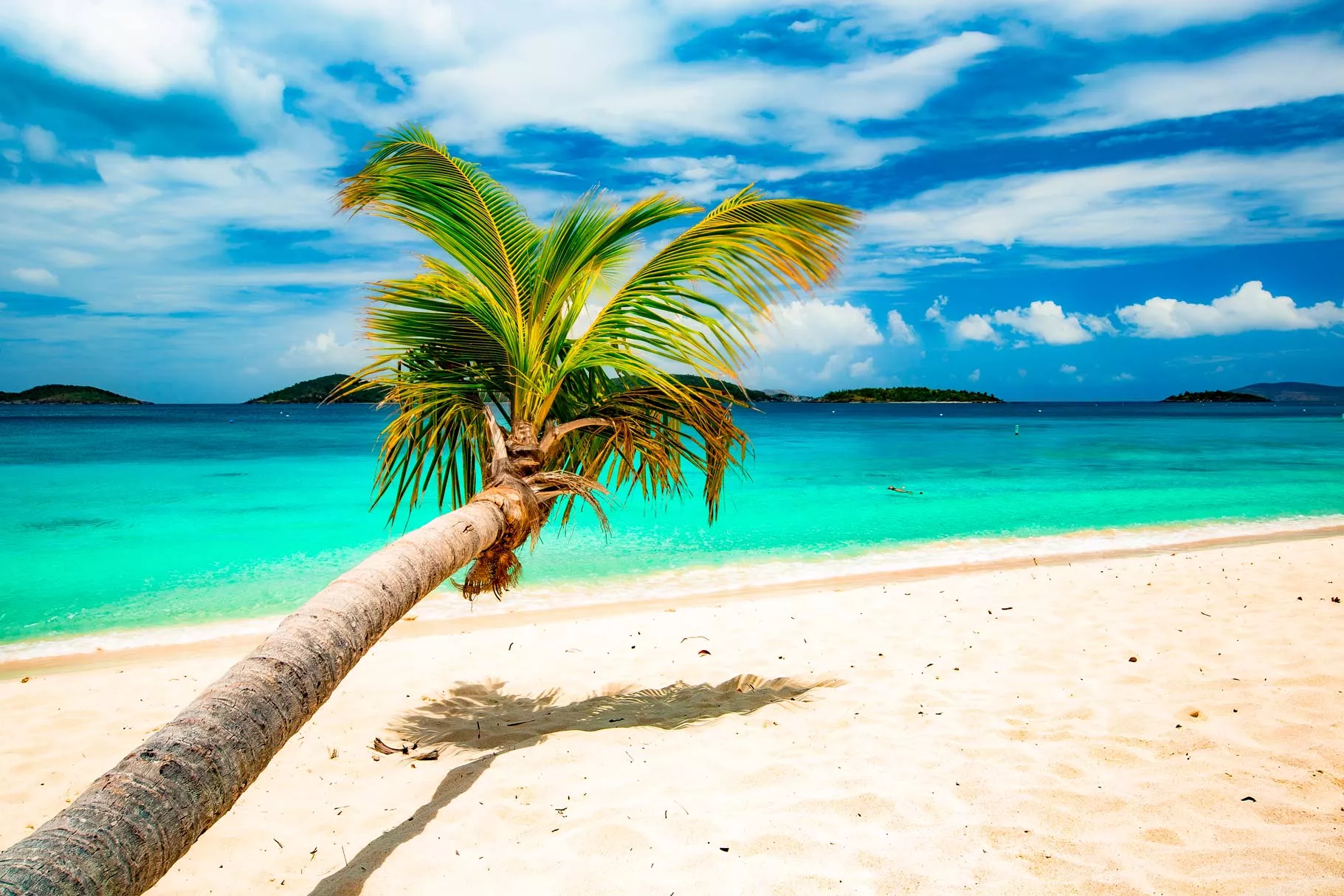
I’d argue that the beaches in the US Virgin Islands are the most spectacular in the world.
Here, we’ve got this magical blend of soft, powdery white sand that feels like walking on clouds, and the water? It’s like dipping your toes into a warm, crystal-clear bath, with sea turtles, and stunning coral reefs. Seriously, our beaches are postcard-worthy year-round.
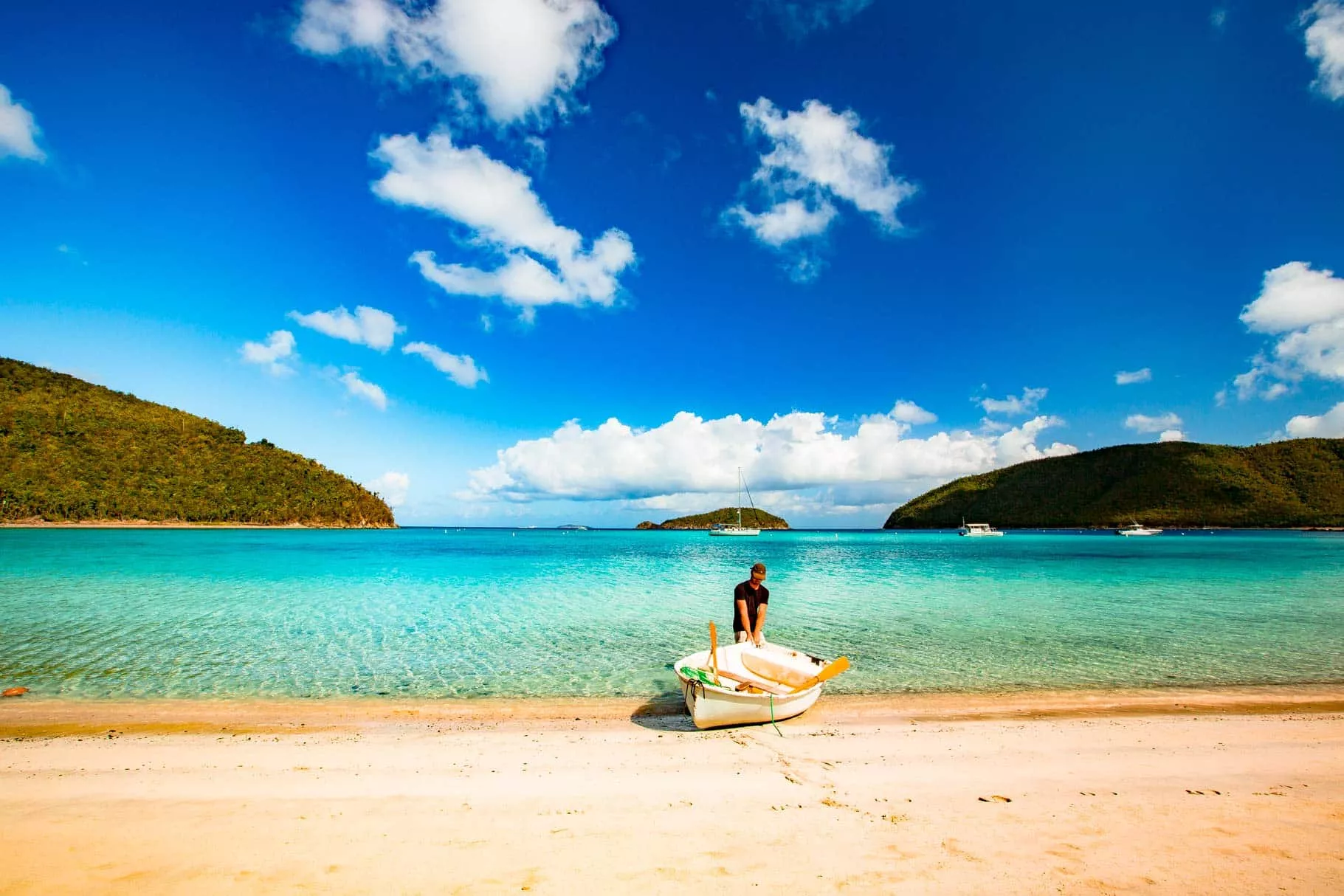
My personal favorite has to be Maho Bay on St. John. It’s this crescent-shaped beauty with gentle waves, making it perfect for swimming and floating around. And the backdrop? Lush, green hills that just add to the paradise vibes.
Cinnamon Bay is another great one with camping options (a rarity). Imagine waking up to the sound of gentle waves, unzipping your tent, and stepping right onto the sand. It’s like having your own private slice of heaven.
The beaches alone are worth considering moving to the US Virgin Islands.
7. Life on Permanent Vacation Mode
What does this lifestyle amount to? I call it life on permanent vacation mode. Living in the US Virgin Islands really does feel like a dream. My only regret is not moving here sooner.
Waking up every day feels like a privilege. While I realize dropping everything and moving to the US Virgin Islands isn’t something everyone can do, it’s been a real game-changer for me.
My general outlook has improved drastically. My stress levels have plummeted, and I find myself really relaxed and at peace with the world. Life in the US Virgin Islands is grand.
Locals’ verdictGrade the US Virgin Islands on cost, weather, jobs, people and safety · where it stands on our rankings
Cons of Moving to the US Virgin Islands
1. Hurricanes Ruin Everything
Well it’s not all sunshine and rainbows living in the US Virgin Islands. By far the worst part of living here is the hurricanes. They literally ruin everything. And I mean everything.
The 2017 hurricane season was nothing short biblical here. Hurricanes Irma and Maria, both Category 5, struck within weeks of each other wreaking utter devastation. Irma, with 185 mph winds, caused four (direct) deaths and left 70% of residents without electricity. Maria followed, exacerbating the damage and halting recovery efforts.
The economic impact was staggering; the tourism industry, a financial backbone, suffered immensely. Over 90% of buildings sustained damage, with an estimated $10 billion needed for reconstruction.
These hurricanes underscore our vulnerability to extreme weather. While the community’s resilience is commendable, the annual hurricane season brings undeniable anxiety. We prepare rigorously, but the physical and emotional toll is significant.
More than half a decade later we still haven’t fully recovered from those storms. If you’re thinking about moving to the US Virgin Islands be sure to take the unpredictability of these storms into consideration.
2. It Can Feel Isolating
Living in the US Virgin Islands sometimes feels like you’re cut off from the rest of the world in a bad way. Sure, it’s a tropical paradise, but the isolation is real and it hits you in ways you don’t expect.
Getting off the island for anything – a family visit, a medical emergency, even just a shopping trip – is a whole ordeal. Flights to the mainland are pricey and not as frequent as you’d want. This means you’re often “stuck” on the island, which can be tough, especially if you’re used to the convenience of big city life.
And then there’s the internet and cell service – it’s not always reliable, which can be super frustrating. You’re trying to stay connected with the rest of the world, and boom, you’re dealing with a slow or no connection or dropped calls.
Living in the US Virgin Islands is kind of like living in a beautiful bubble, but sometimes you just feel the need to burst out and be part of the larger world. The isolation here is something you have to actively cope with. It’s not just about the distance; it’s the feeling of being a little bit out of touch and out of reach.
3. High Cost of Living
Living here in the US Virgin Islands, I gotta tell you, it’s not all sunshine and beaches when it comes to the cost of living. It’s brutal. We’re paying through the nose for just about everything.
Groceries? Expect to shell out a third more than what folks pay stateside. And don’t get me started on housing – buying a house here is like a millionaire’s game, with prices averaging around $570,000. Renting isn’t any easier on the wallet either.
Electricity bills are another nightmare. We’re paying maybe three times what they do in the mainland, all because we’re stuck using imported oil for power. Every month, when the bills roll in, it’s like a slap in the face, reminding you how expensive it is just to live here.
Sure, the views are great, but they don’t pay the bills. For many of us living in the US Virgin Islands, it’s a constant struggle to keep up with these costs.
4. Lack of Infrastructure
Alright, let’s talk about the infrastructure living in the US Virgin Islands, or rather, the lack of it. It’s a serious issue. The roads? They’re a mess – potholes you could lose a small car in, and don’t get me started on the street lighting, or the lack thereof.
Driving at night is like navigating a maze blindfolded. Public transport is practically non-existent. You need a car to get anywhere, but with the state of the roads, it’s a bumpy ride.
The power grid here is a whole thing on its own – we’ll discuss that in more detail below.
Internet and cell service? It’s like a lucky draw – some days you’re connected to the world, other days you might as well be sending smoke signals.
Then there’s the water supply. It’s not always a given. Many of us rely on rainwater collection systems, and when it doesn’t rain, well, you’re in a tight spot. These infrastructure issues go beyond the quaint charm of island life; they’re real challenges that we face every day.

5. Bad Roads & Driving on the Left
Driving here is a challenge, to put it mildly. As I mentioned earlier, the roads themselves are a test of your patience and suspension system. You’ve got to have skills to dodge the potholes, or you’re in for a potentially costly ride.
The US Virgin Islands is the only place in America where you drive on the left side of the road instead of the right and that means eternal vigilance for tourists who forget.
Then there’s the traffic. It can get surprisingly congested, especially during rush hours or when there’s a cruise ship in town. You’d think being on a small island means quick trips, but nope. A short drive can easily turn into a hours long event.
Plus, the steep and narrow roads in some areas are not for the faint-hearted. Four wheel drive is a necessity. Also there’s a major lack of parking spaces in town. I used to live in Manhattan and some days I think it was easier to find a spot there.
Overall, getting around here requires a mix of patience, skill, and a bit of luck. It’s definitely one of the less glamorous aspects of living in the US Virgin Islands.

6. Power Outages Are Common
The power situation living in the US Virgin Islands is a saga. Folks like to say that outages are as common as sand on the beach. You’re just relaxing at home, and bam, everything goes dark. Sometimes it’s for an hour, other times it feels like you’re living in the Stone Age.
And the worst part? They’re unpredictable. You could be in the middle of work, cooking, or even taking a shower, and suddenly, you’re doing it by candlelight.
Then there’s the cost of electricity like I mentioned earlier – it’s sky-high, no joke. We’re paying some of the highest rates in the country, mostly because we rely on imported oil for power. Running that air conditioning at night requires the sale of a kidney to pay the bill.
This constant battle with power issues is more than an inconvenience; it affects daily life, businesses, schools, everything. Living in the US Virgin Islands, you learn to be prepared for anything – flashlights, generators, the works.
7. Lack of Restaurants & Dining Options
When it comes to dining out here, let’s just say our options are pretty limited. If you’re a foodie looking for a wide variety of cuisines, you’re in for a disappointment.
We’ve got some great local spots, sure, but the variety isn’t exactly mind-blowing. You get your standard island fare, which is delicious, but sometimes you crave something different, and that’s where the struggle is.
And it’s not just about the variety. The number of restaurants itself is limited, especially outside of the main tourist areas. If you’re living here, you’ll probably end up rotating between the same few places like I do. Plus, they tend to close early, so if you’re thinking of a late dinner, good luck with that.
Then there’s the cost. Eating out here is expensive. It’s a bit of a challenge, especially if you’re used to having a plethora of dining options.
8. Lack of Shopping & Grocery Options
The first time I saw the price of an avocado at the grocery store here I was shook. And the more I perused the more I realized that living in the US Virgin Islands the shopping was going to be a constant battle.
When it comes to shopping and grocery options in the US Virgin Islands, well, let’s just say it’s pretty bare bones. You’ve got your basic stores, and I do mean basic, but if you’re looking for variety or specialty items, you’re out of luck.
The selection in most grocery stores is limited at best, and sometimes you’re playing a guessing game on whether they’ll have what you need. It’s not uncommon to hop from store to store just to tick off everything on your list.
And let’s talk about the prices. Because everything is imported, you’re paying a premium. You go to buy groceries and end up feeling like you’ve just funded a space mission. It’s especially tough for families or anyone trying to stick to a budget.
Shopping for clothes or electronics? That’s a whole other challenge. The options are limited, and again, expensive. Most of us end up shopping online or waiting until we can go to the mainland, which isn’t exactly convenient.
So yeah, living in the US Virgin Islands has its trade-offs, and limited shopping and grocery options are definitely one of them. It’s a part of island life that requires some serious adjustment and, often, a bit of creativity.
9. Lack of Job Opportunities
Talking about job opportunities in the US Virgin Islands, it’s a really tough scene. The job market here is pretty narrow, mostly focused on tourism and government jobs. If you’re not in those sectors, finding work can be a real challenge.
There’s a lack of diversity in industries, which means limited opportunities, especially for folks with specialized skills or those looking for career growth.
And living in the US Virgin Islands you’ll find the competition for the available jobs is fierce. You’ve got a small pool of jobs and a lot of people vying for them.
It’s not uncommon to see folks working multiple jobs just to make ends meet. The pay scales here don’t always match up with the cost of living, so even if you do find work, making it financially viable is another story.
This limited job market affects not just the economic aspect of living here, but also the social fabric. Young professionals often leave the islands for better opportunities elsewhere, leading to a bit of a brain drain.

Tell the next person the thing the guide misses.
FAQ – Living in the US Virgin Islands
Is U.S. Virgin Islands a good place to live?
Is U.S. Virgin Islands a good place to live?
Living in the US Virgin Islands is ideal for those seeking a laid-back lifestyle and natural beauty, like retirees or remote workers who aren’t dependent on the local job market. It’s perfect for people who love the outdoors and can embrace the simplicity of island life, despite its challenges like high costs and limited services. Those who thrive in small, close-knit communities and can adapt to a slower pace of life would find it appealing. However, it’s less suited for those seeking a bustling, diverse urban environment with abundant job opportunities and modern amenities.
How expensive is it to live in the U.S. Virgin Islands?
How expensive is it to live in the U.S. Virgin Islands?
Living in the U.S. Virgin Islands is significantly more expensive than in many parts of the U.S. The cost of housing is high, with average home prices well over $500,000. Essentials like groceries and utilities are about 33% more expensive due to importation costs. Electricity rates are among the highest in the nation, and even basic services and goods can be costly. This high cost of living is offset somewhat by the stunning natural beauty and unique lifestyle the islands offer, but it remains a substantial consideration for anyone planning to move or live there.
Can US citizens move to the Virgin Islands?
Can US citizens move to the Virgin Islands?
Yes, U.S. citizens can move to the U.S. Virgin Islands without any special legal requirements. The U.S. Virgin Islands, comprising St. Thomas, St. John, and St. Croix, are an unincorporated territory of the United States. As U.S. citizens:
- No Passport Required: U.S. citizens don’t need a passport to travel to or live in the U.S. Virgin Islands. A government-issued photo ID is sufficient for travel.
- No Visa or Residency Permit Needed: Since it’s a U.S. territory, there are no visas or residency permits required for U.S. citizens.
- Same Currency: The U.S. dollar is the official currency, making financial transactions seamless for those from the mainland.
- Familiar Legal and Political Systems: The legal and political systems are similar to those in the mainland U.S., offering a familiar environment.
Summary of the Pros & Cons of Living in the US Virgin Islands
- It’s Stunningly Beautiful
- Nature Beyond Belief
- Bountiful Outdoor Activities
- It’s Always Sunny
- Lovely Tropical Climate
- Spectacular Beaches
- Life on Permanent Vacation Mode
- Hurricanes Ruin Everything
- It Can Feel Isolating
- High Cost of Living
- Lack of Infrastructure
- Bad Roads & Driving on the Left
- Power Outages Are Common
- Lack of Restaurants & Dining Options
- Lack of Shopping & Grocery Options
- Lack of Job Opportunities
Comparison of the Pros & Cons of Living in the US Virgin Islands
| Pros | Cons |
|---|---|
| Stunningly Beautiful | Hurricanes Ruin Everything |
| Nature Beyond Belief | It Can Feel Isolating |
| Bountiful Outdoor Activities | High Cost of Living |
| It’s Always Sunny | Lack of Infrastructure |
| Lovely Tropical Climate | Bad Roads & Driving on the Left |
| Spectacular Beaches | Power Outages Are Common |
| Life on Permanent Vacation Mode | Lack of Restaurants & Dining Options |
| Lack of Shopping & Grocery Options | |
| Lack of Job Opportunities |
Map of the US Virgin Islands
Pin Living in the US Virgin Islands
Helpful Related Articles
Living in Hawaii: 15 Honest Pros & Cons of Living in Hawaii
Living in Honolulu: 12 Honest Pros & Cons of Living in Honolulu
Living in Florida: 15 Honest Pros & Cons of Living in Florida
Living in Miami: 15 Honest Pros & Cons of Living in Miami
Living in Jacksonville: 15 Honest Pros & Cons of Living in Jacksonville
Best Places to Live in Florida: 10 Best Places to Live in Florida
Where Things Stand in 2026
Update from The Honest Local, September 2026: everything from here down was added after the original local wrote this guide, with a source for each figure.
St. Croix has been under a boil-water advisory since the last day of August, and St. Thomas and St. John spent a night in the dark in May. Utilities are the whole story here, so start with them.
- The grid had a rough year. St. Thomas and St. John went completely dark on May 31, 2026. A late fuel shipment forced two-hour rotating outages on July 14, more rotations were threatened during August valve repairs, and four standby generators (10 MW) finally landed for St. John at the end of August 2026.
- Electricity is still absurd. The fuel charge was frozen at 22.22 cents per kWh through June 30, 2026, keeping the all-in residential rate around 43 cents. The US average was 18.34 cents in June 2026 (EIA). Governor Bryan says it costs WAPA about 62 cents to make a kilowatt hour it sells for 41.
- Housing cooled on St. Thomas, not St. Croix. The St. Thomas single-family median fell to $737,000 in the first quarter of 2026, down about 20% in a year (Coldwell Banker VI, April 2026). St. Croix’s single-family median rose 10% to $485,000 in February 2026. St. John averaged $1.83 million a sale.
- Tourism is booming. Air arrivals rose 12% in the first quarter of 2026, cruise passengers 40% through June (1.27 million), and hotel taxes hit $47.8 million, on pace for a record (Department of Tourism, August 2026).
- The hospitals are getting rebuilt, slowly. In August 2026 the Public Finance Authority picked Suffolk Construction for the $665.5 million Schneider rebuild on St. Thomas, and demolition of St. Croix’s Juan F. Luis hospital starts before the end of 2026 with about five years of construction to follow.
Locals and visitors on this thread mostly agree that prices on the US Virgin Islands keep climbing, especially for shopping and everyday goods, and newcomers say it’s smart to pack some snacks from home before a trip. The recurring warning is about cost: one reader planning a move worries that his fixed income wouldn’t stretch far enough to cover even a small place to live and basic meals. Visitors who come just to relax on the beaches and hike the trails say the key is slowing down and accepting island time instead of chasing efficiency.
The split here isn’t locals versus newcomers so much as tourists who love the slower pace against a would-be transplant who fears the cost of living could make a permanent move impossible. A surprise a newcomer might not expect from a basic guide is how much islanders reportedly rely on imported goods, prompting one visitor to muse about helping build up local agriculture instead.
“Not worrying about efficiency is how to enjoy St. John.”
Anne Fagan Reader
“that report makes me think it is impossible to afford even the tiniest of places to rest ones head at night, and perhaps a meal a day”
Randy S Richardson Local · 35 years