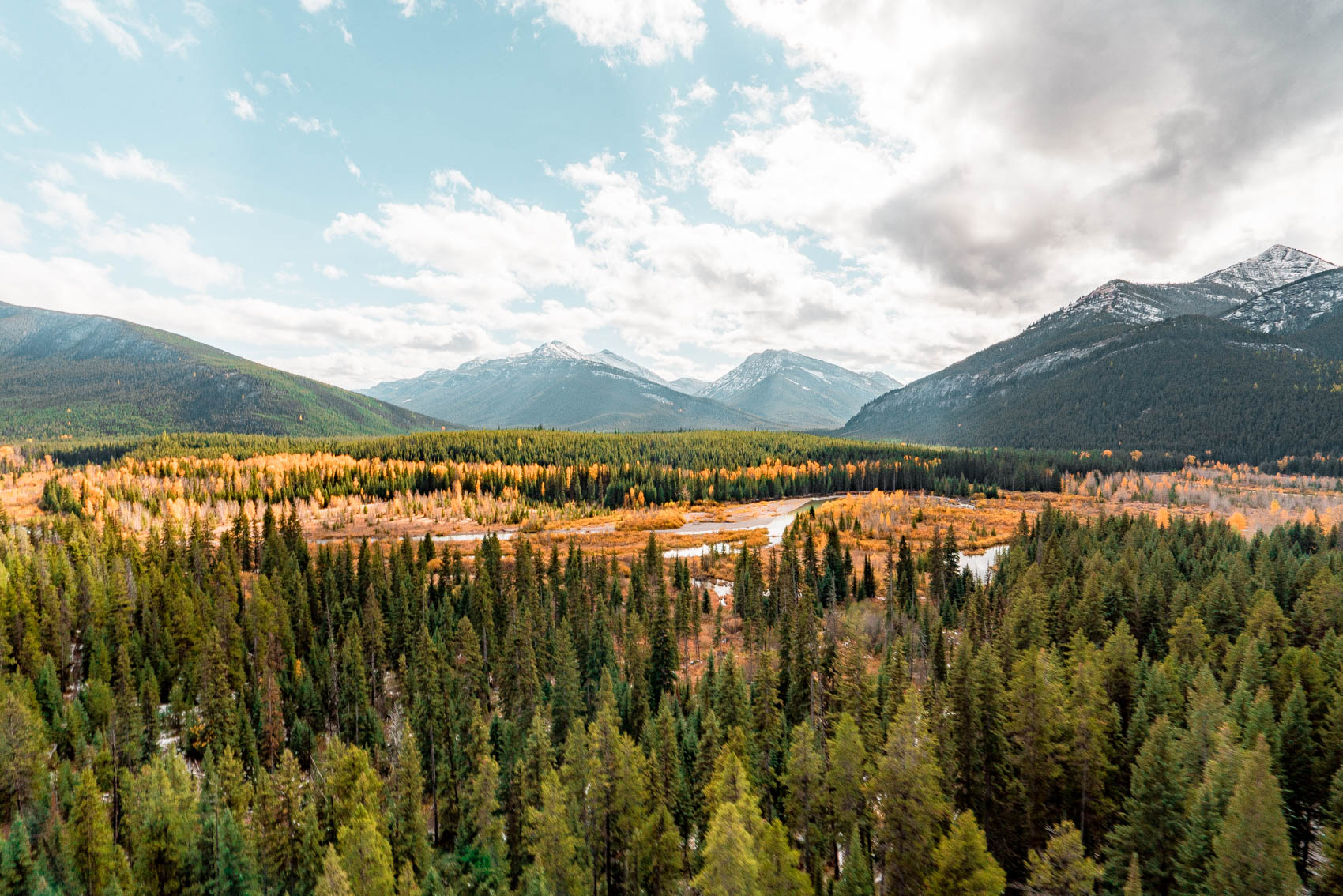
Hey there! Ever wondered what it’s like to live in Montana, where the skies are vast and the mountains call your name? Well, you’re in for a treat. Join me, John, a longtime Montana local, as we explore the awe-inspiring beauty and the rugged realities of life in the Treasure State.
From the endless outdoor adventures and a booming economy to the challenges of brutal winters and long drives, I’ll give you the insider scoop on everything Montana. We’ll talk about the joys of having space to roam, the benefits of a slower pace of life, and the sweet perk of no sales tax. But we won’t shy away from the tough stuff – high housing costs, growing concerns about wildfires, and more.
Whether you’re daydreaming about moving here or just curious about life in one of America’s most beautiful states, this is your go-to guide for the real Montana living experience.

Pros of Living in Montana
1. Montana is Spectacularly Beautiful
In terms of shear scenic beauty it’s tough find a more beautiful place in the world than Montana (specifically the western side of the state). In fact, Glacier National Park is a internationally recognized UNESCO world heritage site. But the scenic beauty of Montana stretches far beyond it’s most famous park.
Montana is home to 11 national forests comprising 17 million acres. It’s hard to fathom. Some of my personal favorite spots living here are the Flathead National Forest, the Custer-Gallatin National Forest, and the Upper Missouri River Breaks National Monument.

Live here? Is #1 still true? Say so
2. Endless Outdoor Recreation
Montana was ranked the #1 most outdoorsy state in America. The state is home to more than 30 million acres of public lands prime for recreating. Every possible mode of outdoor recreation (except for ones that require an ocean) is possible here.
Personally, the ability to enjoy such a wide variety of outdoor activities was one of my top reasons for moving to Montana. It’s incredible. During the summer I can (and do) fish in world class fly-fishing streams, ride my four by four on amazing routes, go on breathtaking hikes with unbelievable views, and bike on in incredible single track trails – all in the same day.
During the winter (more on this below) a whole new world of recreation adventures open up with snowmobiling, skiing, ice-fishing, and more.
Live here? Is #2 still true? Say so
3. Booming Economy
Let me tell you, Montana isn’t your grandpappy’s dusty ranch state anymore. Sure, the wide-open spaces and Big Sky Country charm haven’t gone anywhere, but there’s a real buzz in the air these days. The economy’s hotter than a prairie sun in July, and it’s bringing with it good jobs, new businesses, and a sense of optimism that’s downright contagious.
In fact, Montana is ranked as having the 6th best economy in the US. Take Main Street in Bozeman, for example. Used to be a sleepy little college town, but now it’s a hotbed of tech startups and craft breweries. Young folks with laptops and dreams in their eyes are pouring in, and the old-timers like me are grinning from ear to ear.
We’re seeing our kids and grandkids landing good-paying gigs right here in their home state, instead of having to head off to Seattle or Denver. And let me tell you, nothing beats having your family close.

Live here? Is #3 still true? Say so
4. Space to Roam
Ah, the open road, the endless sky, the whisper of wind through the pines – there’s something special about having space to roam, isn’t there? It’s a Montana thing, I suppose, deep in our bones. And let me tell you, it isn’t just about looking at pretty scenery. It’s a way of life, a balm for the soul, and a playground for the spirit.
Montana is has the 3rd lowest population density of any state in the US at less than 8 people per square mile.
Stepping out into the Montana wilderness the air hits you like a cold mountain stream, invigorating every fiber of your being. You take a deep breath, and suddenly, the worries of the world seem to float away on the wind.
Then there’s the freedom. Out here, you can wander for miles without seeing another soul, just you and the wild symphony of nature. It’s a chance to truly be yourself, to let your spirit soar like a hawk on the thermals. No judgment, no deadlines, just the endless possibility of exploration.
Live here? Is #4 still true? Say so
5. Slower Pace of Life
While the vast mountain ranges and endless skies paint a serene picture, Montana’s slower pace is woven into the very fabric of life here. Think commute times nearly 10 minutes shorter than the national average.
Montanans prioritize leisure, boasting 5 more vacation days a year on average. And the benefits go beyond spreadsheets. Locally owned businesses like cozy cafes and independent bookstores cultivate a sense of community, while the vast natural playground encourages you to swap screens for mountain hikes and starry nights.
This slower pace isn’t about laziness, it’s about reclaiming what matters – genuine connections, well-being, and savoring the simple things.

Live here? Is #5 still true? Say so
6. No Sales Tax
Yep – Montana is the “M” in the five NOMAD states that don’t have a sales tax. The others being New Hampshire, Oregon, Alaska, and Delaware. This pro of living in Montana is pretty self-explanatory.
Live here? Is #6 still true? Say so
Cons of Living in Montana
1. Winter is Brutal
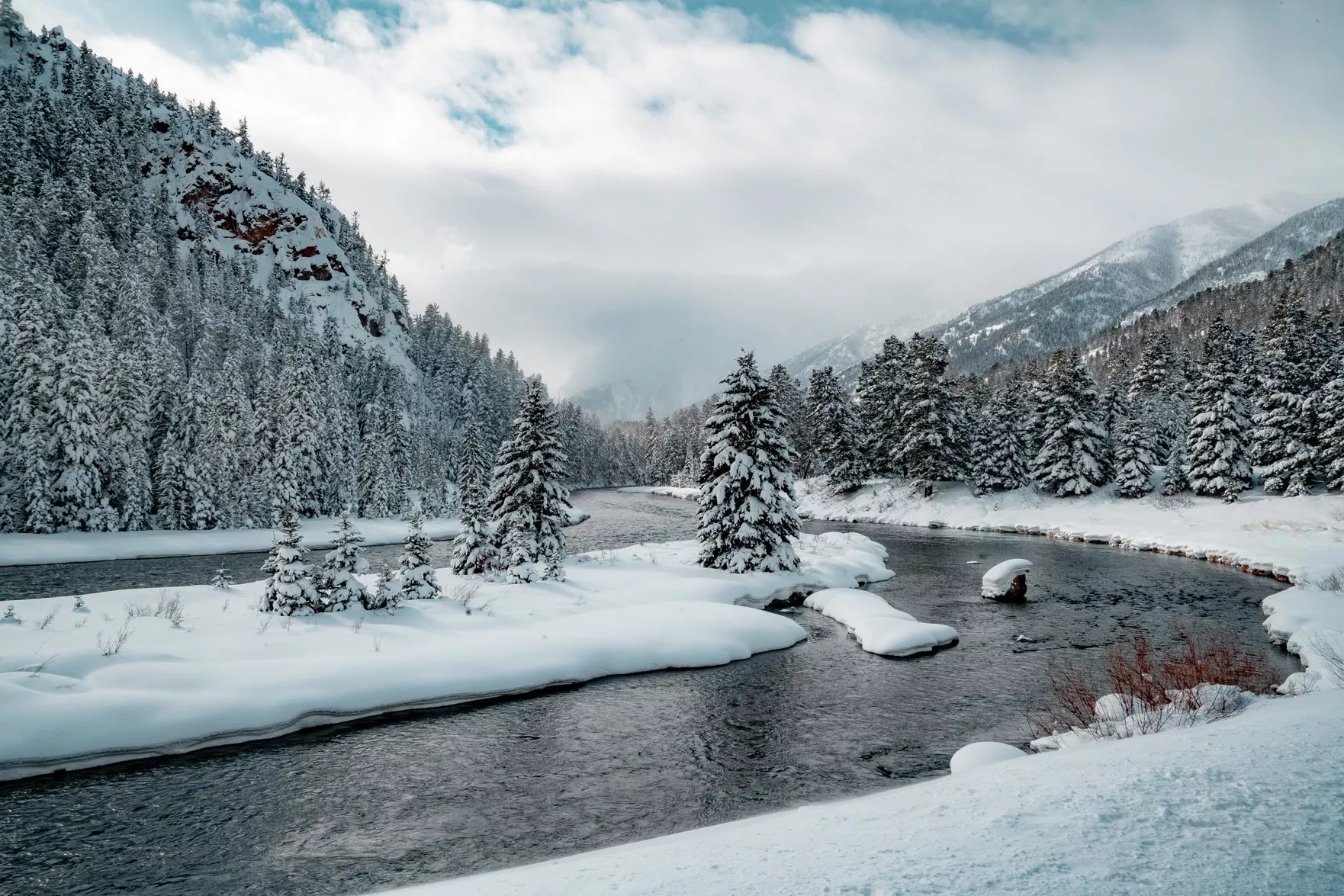
Winter here isn’t just a season; it’s an endurance test that permeates every aspect of life. In fact, Montana is the 6th coldest state in America. The cold begins to creep in around late autumn, and by the time winter fully settles in, the landscape has transformed into a monochrome world of white and grey. The temperatures can plummet far below freezing, often reaching bitter extremes that make even the simplest outdoor tasks challenging.
The cold is so penetrating that it feels like it seeps into your bones. Going outside requires layers of clothing – thermal underwear, heavy sweaters, insulated coats, gloves, hats, and scarves. Any exposed skin stings and numbs within minutes. The air is so frigid that your breath turns into a visible mist, and inhaling deeply can feel like a sharp jolt in your lungs.
Snowfall, while beautiful at first, quickly becomes a relentless taskmaster. Shoveling driveways and sidewalks is a daily chore, and the snow seems to mock your efforts by piling up even higher the next day. The roads become treacherous, covered in ice and snow.
Montana is ranked as one of the most dangerous states for winter driving and as such, driving requires utmost caution, and even then, accidents are a common sight. The snowplows and salt trucks work tirelessly, but sometimes even they can’t keep up.
The short days and long nights add to the sense of confinement. Sunlight becomes a rare commodity, and the lack of it can really affect your mood and energy levels. The world outside often feels deserted, as people stay indoors to escape the cold. The isolation can be profound, especially in rural areas.
Live here? Is #1 as bad as this says? Say so
2. Long Drives to Anywhere
One significant downside of living in Montana is the necessity of long drives. Due to the state’s vastness and sparse population, towns and essential services are often spread out by great distances. This means routine tasks like grocery shopping, attending appointments, or visiting friends can turn into lengthy, time-consuming journeys.
As I mentioned above (but worth repeating), long drives, especially in severe weather conditions, can be more than just an inconvenience; they can also pose safety risks due to icy or poorly maintained roads. One of my best friend’s sons was tragically killed in a freak accident collision where another car hit an elk which flew into his car.
This aspect of life in Montana requires significant adjustment and planning, especially for those used to the conveniences of more densely populated areas.

Live here? Is #2 as bad as this says? Say so
3. High Housing Costs
Such is the times but another notable drawback of living in Montana is the high housing costs. In recent years, we’ve experienced a surge in real estate prices, making it increasingly difficult for both locals and newcomers to afford housing.
This spike is largely due to the influx of out-of-state buyers attracted by Montana’s natural beauty and lifestyle. I blame the hit show Yellowstone for a decent amount of this but regardless the word about Montana seems to be out.
The high costs are felt most acutely in popular cities (like Bozeman) and towns near tourist attractions or outdoor recreation spots. For residents, especially those on fixed or lower incomes, this can mean a significant portion of their budget is consumed by housing expenses, limiting their ability to afford other necessities.
The affordability crisis in housing also poses challenges for long-term residents and families, which threatens to alter the demographic and cultural landscape of communities in Montana.
Live here? Is #3 as bad as this says? Say so
4. Wildfires Are A Growing Concern
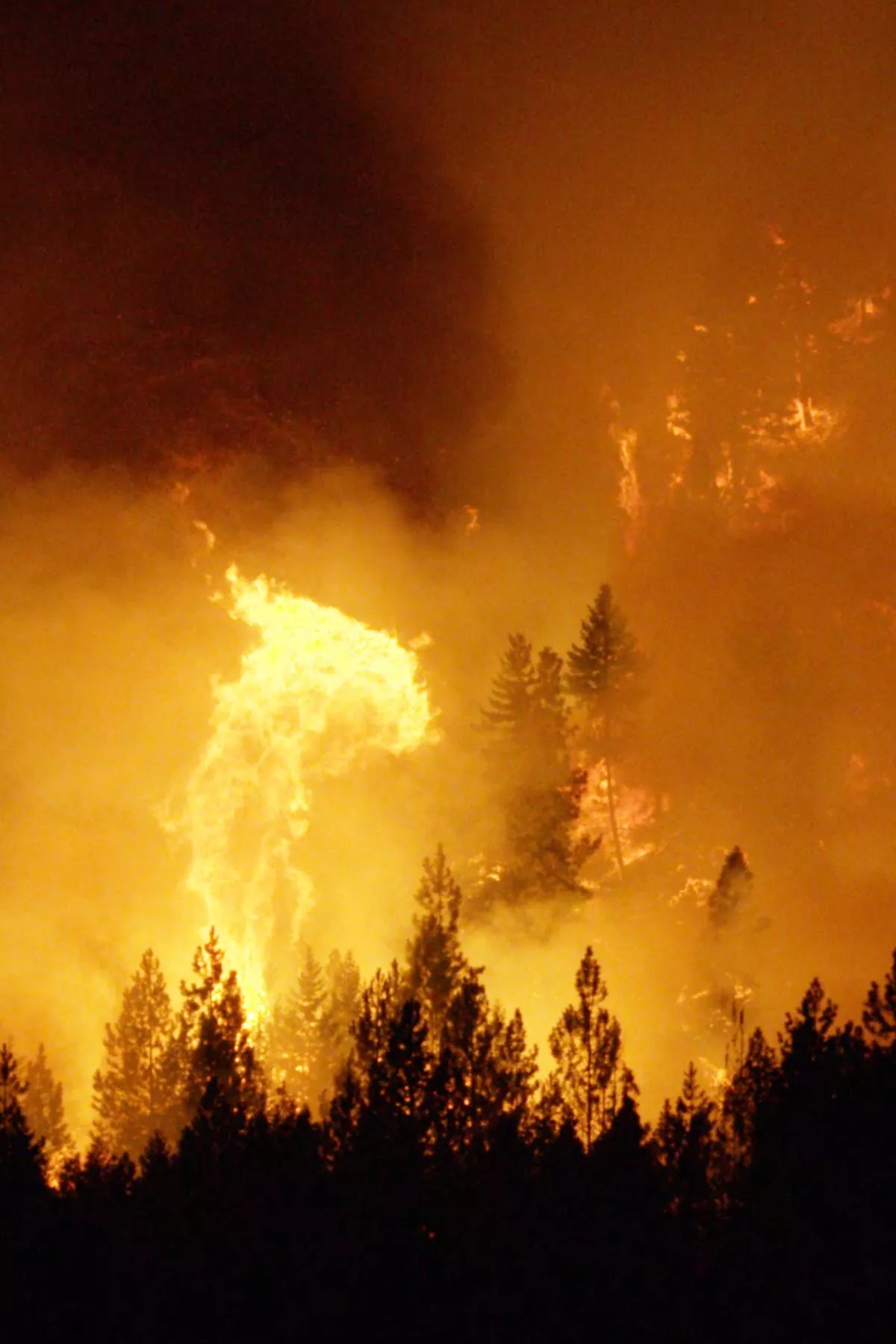
Living in Montana also means facing the increasing threat of wildfires, a significant concern in recent years. It wasn’t always this way but Montana is now the fourth worst state for wildfires. Our vast forested areas and changing climate conditions contribute to a higher risk of wildfires, especially during increasingly dry, hot summers.
Wildfires not only pose a direct danger to life and property but also lead to poor air quality, health issues, and disruptions in daily life. The smoke from these fires can blanket communities, causing respiratory problems and reducing visibility.
Additionally, the threat of wildfires often leads to restrictions on outdoor activities and really hurts the local economy, particularly tourism and agriculture. Preparing for and recovering from wildfires requires significant resources and is a source of continual stress for residents.
The ever-present possibility of wildfires has become an undeniable part of life in Montana, requiring constant vigilance and adaptation.
Live here? Is #4 as bad as this says? Say so
5. Isolation
As someone who likes numbers, let me put this one to you this way – Montana has the third lowest population density of any state in America. There’s a mere 7 people per square mile here.
And as someone who’s lived in Montana for some time now, I can attest to the profound sense of isolation one can experience here. Montana’s vastness, with its sprawling landscapes and low population density, means that neighbors and towns can be incredibly far apart.
For instance, for many of my good friends, traveling from their town to the nearest city for essentials like medical appointments or shopping often turned into an hours-long expedition.
If you live in a bigger city like Helena or Bozeman this doesn’t affect you as much as living in a place like Winifred or Jordan where serious medical emergencies require helicopters and prayers that go answered.

Live here? Is #5 as bad as this says? Say so
6. Lack of Big City Amenities
You know, living in Montana really opens your eyes to what you miss about big city life. Take Billings, our biggest city – it’s nothing like the sprawling urban centers elsewhere. This means a lot of the perks you’d find in a big city just aren’t here.
For instance, cravings for things diverse foods like ramen or tacos or any sort of food options or wanting to catch a live show or an art exhibit all go unanswered here. In Montana, these kinds of experiences are few and far between. It’s not like you can just walk down the street and find a bustling restaurant scene or a big theater.
And let’s talk about getting around. In a big city, you’ve got buses, subways, cabs at your beck and call. Here, if you don’t own a car, you’re pretty much stuck. Public transport? Barely a thing. It’s all about long drives.
Live here? Is #6 as bad as this says? Say so
7. Limited Educational Opportunities
Living in Montana, one of the challenges residents face is the limited educational options, particularly when it comes to higher education and specialized schools. While Montana boasts a couple of universities and colleges, like the University of Montana and Montana State University, the options are fewer compared to more populous states.
This scarcity means students seeking specific or highly specialized degrees might not find their desired programs within the state. This often leads to them to pursuing education out of state and perpetuating the brain drain that harms the state in all sorts of ways.
For families with children, the scenario in K-12 education also reflects a similar pattern. In many rural areas, schools often struggle with limited resources and may not offer the breadth of extracurricular activities and advanced placement courses available in more urbanized areas.
The state’s general massiveness also plays a significant role. Traveling long distances for attending a preferred school or university is a norm, adding time and transportation challenges to the educational pursuit.

Live here? Is #7 as bad as this says? Say so
8. Lack of Healthcare Accessibility
Life in Montana means dealing with the ups and downs of healthcare here. We have some quality healthcare facilities, but they’re rarely just around the corner, and practically non-existent in rural areas. If you live in a smaller town or out in the countryside, getting to a doctor involves a bit of a road trip. It’s not uncommon to travel an hour or two for a medical appointment.
Specialized medical care is another thing. If you need to see a specialist, you might find there aren’t many options close by. This could mean traveling to a larger city in Montana or even out of state, which, let’s be honest, isn’t always convenient.
The winters here can make these trips more challenging. When the roads are icy or snowed in, a simple drive to the doctor can turn into a bit of an ordeal.
Live here? Is #8 as bad as this says? Say so
9. The Drought is Real
In Montana, dealing with drought conditions has become a pretty regular concern. A full twenty percent of Montana is under drought conditions. It’s something that we’re increasingly mindful of, especially in recent years as we’ve been facing drier seasons, impacting everything from farming to everyday life.
Summers can get particularly tough. We’ve been seeing less rainfall, and the rivers and streams aren’t as full as they used to be. This affects not just the farmers but also the wildlife and tourism. If you’re into gardening or maintaining a lawn, the drought makes it a challenge, and there’s often a need for water conservation measures.
And it’s not just about the land; these dry conditions exacerbate the risk of wildfires.
Live here? Is #9 as bad as this says? Say so
Which of these is wrong about Montana, and what does it actually cost you? Tell the next person the truth from your street.
- $649k+0.3%FRED / realtor.com · 2026-0845th cheapest of 49 states
- $472k+0.1%Zillow Home Value Index (state) · 2026-0838th cheapest of 49 states
- 3.2%±0 ptBLS Local Area Unemployment Statistics · 2026-088th lowest of 49 states
- $4.59±0AAA · 2026-09-2840th cheapest of 50 states
- 94.6US = 100BEA Regional Price Parities (SARPP) · 2024
Locals’ verdict1 local scored cost, weather, jobs, people and safety; where Montana stands on our rankings
The percentage shows at 10 votes.
FAQ – Living in Montana
Is Montana a good place to live?
Is Montana a good place to live?
Montana is an ideal place to live for those who cherish the outdoors, value a quieter, slower-paced lifestyle, and don’t mind the challenges of harsh winters and remote locations. It’s perfect for nature enthusiasts, people seeking a strong sense of community, and anyone who prefers the scenic beauty and tranquility of rural living over urban conveniences.
Is Montana a good place to retire?
Is Montana a good place to retire?
Montana is a great retirement choice for those who enjoy nature and outdoor activities like hiking, fishing, and wildlife watching. It’s well-suited for retirees seeking a peaceful, slower-paced lifestyle amidst stunning natural scenery. However, it’s important for retirees to consider factors like access to healthcare, the ability to manage cold winters, and the potential for isolation, especially in more remote areas.
What is Montana known for?
What is Montana known for?
Montana is renowned for its breathtaking natural landscapes, including Glacier National Park and parts of Yellowstone. It’s known for its abundant wildlife, vast open spaces, and outdoor recreational activities like hiking, fishing, and skiing. The state also has a rich cowboy and Native American heritage, evident in its culture and events.
Map of Montana
Summary of the Pros & Cons of Living in Montana
- Montana is Spectacularly Beautiful
- Endless Outdoor Recreation
- Booming Economy
- Space to Roam
- Slower Pace of Life
- No Sales Tax
- Winter is Brutal
- Long Drives to Anywhere
- High Housing Costs
- Wildfires Are A Growing Concern
- Isolation
- Lack of Big City Amenities
- Limited Educational Opportunities
- Lack of Healthcare Accessibility
- The Drought is Real
Compare the Pros & Cons of Living in Montana
| Pros of Living in Montana | Cons of Living in Montana |
| Montana is Spectacularly Beautiful | Winter is Brutal |
| Endless Outdoor Recreation | Long Drives to Anywhere |
| Booming Economy | High Housing Costs |
| Space to Roam | Wildfires Are A Growing Concern |
| Slower Pace of Life | Isolation |
| No Sales Tax | Lack of Big City Amenities |
| Limited Educational Opportunities | |
| Lack of Healthcare Accessibility | |
| The Drought is Real |
Pin Living in Montana


Helpful Related Articles
Best Places to Live in Montana: 10 Best Places to Live in Montana
Living in Wyoming: 15 Honest Pros & Cons of Living in Wyoming
Living in Idaho: 15 Honest Pros & Cons of Living in Idaho
Living in Boise: 15 Honest Pros & Cons of Living in Boise
Living in Nebraska: 15 Honest Pros & Cons of Living in Nebraska
Living in South Dakota: 15 Honest Pros & Cons of Living in South Dakota
Living in Washington State: 15 Honest Pros & Cons of Living in Washington State
Living in Colorado: 15 Honest Pros & Cons of Living in Colorado
Living in North Dakota: 15 Honest Pros & Cons of Living in North Dakota
Living in Minnesota: 15 Honest Pros & Cons of Living in Minnesota
Living in Minneapolis: 15 Honest Pros & Cons of Living in Minneapolis
The thread on Montana skews light on firsthand detail, but a clear pattern still shows up. Readers who’ve visited or are planning to move say the pros outweigh the cons, with one commenter admitting even the listed downsides feel like upsides to her, aside from medical care. Friends already living in Bozeman keep pushing her to just make the move.
The recurring warning that surfaces isn’t about weather or isolation, it’s about medical care, flagged as the one real drawback even by an enthusiastic would-be mover. The surprise here is that the thread includes almost no input from people who actually live in Montana full time, most posters are visitors, planners, or commenters asking unrelated political questions rather than describing daily life on the ground.
“All of the “cons” that you list are “pros” in my eyes except for the medical care”
Amy Hoover Reader
“We have friends in Bozeman who are constantly telling us that we just need to move out there and be done with it”
Amy Hoover Reader