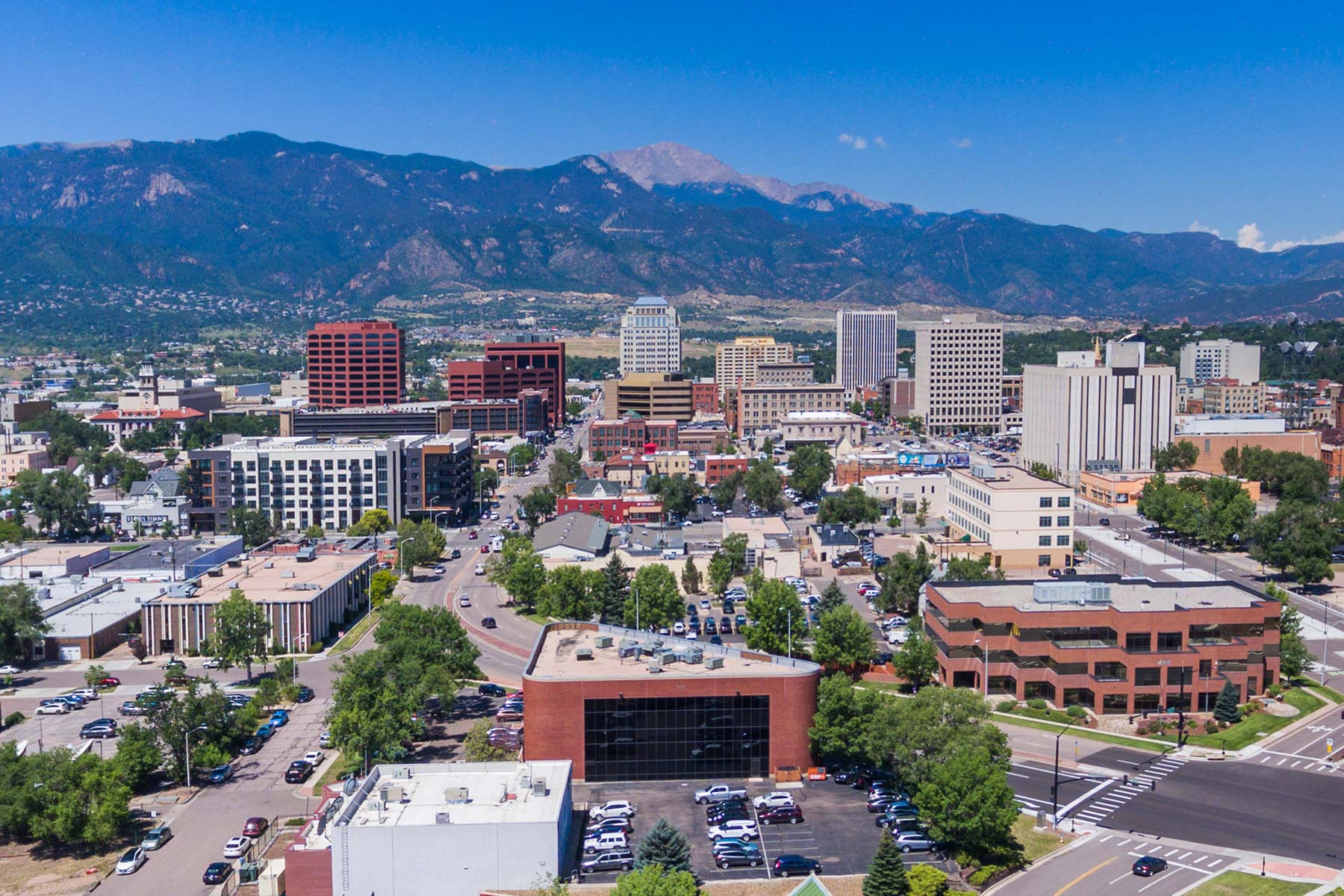
Article Overview: List of the Pros & Cons of Living in Colorado Springs
Thinking about moving to Colorado Springs? You’re in the right place.
From epic winter skiing, basking in the glorious year-round sunshine and navigating the housing market, I’ve experienced it all in my 15 years of calling Colorado Springs home.
Whether you’re an outdoor junkie, a culture seeker, or just wondering if this is this should be your next big move, I thought it might be helpful to roundup the pros and cons of living in Colorado Springs from a local’s perspective.
So without further ado, let’s get to it!
Living in Colorado Springs
Note: As long time readers of this website will know, the fun lives in the comments. Don’t forget to take a look below to see what your neighbors are saying. We update this post regularly based on feedback received. Cheers!
Pros of Moving to Colorado Springs
Outdoor Recreation
Imagine having the majestic Rocky Mountains as your backyard. You’ve got endless hiking trails with breathtaking views, like those at Garden of the Gods – the great outdoors are always at your fingertips while living in Colorado Springs.
If you’re into biking, there are trails for every level, from leisurely rides to challenging mountain paths. And don’t forget the water activities!
Even though we’re not near the ocean, there are plenty of lakes and reservoirs for kayaking, paddle boarding, and fishing.
In the winter, skiing and snowboarding are just a short drive away. Plus, there’s always a chance to spot some wildlife. It’s an outdoor playground that never gets old, no matter what your adventure style is!

The High Quality of Life in Colorado Springs
Colorado Springs is often praised for its high quality of life, but not without reason!
So, when we talk about how great life is in Colorado Springs compared to the rest of the country, the numbers really tell the story. Picture this: Colorado Springs has a quality of life score of 6.7, which is pretty impressive, especially when you compare it to the national average of 5.
It’s not just about the beautiful landscapes or the sunny days; it’s also about solid job opportunities, great schools, and a vibrant community vibe.
All these factors contribute to a lifestyle that balances urban amenities with the charm and ease of access to nature, making it a great place to live for those who value both city living and outdoor pursuits.
Low Unemployment Rate
The unemployment rate in Colorado Springs is 3.3%, which is below the national average. But the city is kind of a mixed bag when it comes to employment, with some really strong sectors and a few areas that are still catching up.
First off, the defense and tech industries are big players here. Thanks to several military bases and a bunch of tech companies, there are lots of opportunities in these fields.
If you’re into engineering, IT, or anything defense-related, you might find some really great job opportunities while living in Colorado Springs.
Healthcare is another big sector. With a growing population, especially with retirees, there’s a steady need for healthcare services. So, jobs in medical fields are pretty easy to come by as well.
Good Public Schools
The public schools in Colorado Springs are pretty noteworthy and robust. With over 100 public schools spread across nine school districts, families moving to Colorado with school-aged children have a lot of options.
Colorado Springs’ public schools offer a blend of traditional, charter, and magnet schools, catering to different educational preferences and needs.
This variety means parents can choose a school that aligns with their child’s learning style and interests, whether it’s a focus on STEM, the arts, or a more traditional curriculum.
Education is another strong huge benefit of living in Colorado Springs. More than 40% of residents (25+) have at least a bachelor’s degree, which is higher than the national average.
The city also houses several colleges, including the University of Colorado’s Colorado Springs campus and Colorado College, a private liberal arts school.
Year-Round Sunshine
There’s a myth going around that Colorado gets 300 days of sunshine per year, but the truth is a bit more nuanced (isn’t it always?).
Turns out, some folks classify partly-cloudy (and sometimes cloudy!) days as sunny days because the sun may poke out at least once. As such, it’s hard to nail down an exact number, but I’d wager a guess that we get around 250 days of sunshine per year.
All told, I no longer find myself going nuts from the gray weather after moving to Colorado Springs. Just make sure you always have sunscreen handy (here’s my go-to) because the high altitude makes it easier to get bad sunburns.
Good Air Quality
When it comes to particle pollution, Colorado Springs is among the cleanest nationally in this category, ranking 9th. Which means the city does a great job managing particle pollutants like dust and smoke.
However, when it comes to air quality in Colorado Springs, the picture is a bit mixed. On one hand, the city ranks as one of the top 25 worst cities in the nation for ozone pollution, according to the American Lung Association’s 2023 “State of the Air” report.
This is a new addition to the list, indicating a significant increase in unhealthy ozone days in recent years. This dichotomy reflects the ongoing efforts and challenges in managing air quality in a growing city like Colorado Springs.
Cons of Living in Colorado Springs
It’s a Very Religious Place
Whether you consider a religious place a pro or con, it’s important to realize that there’s a Christian mega-church culture in Colorado Springs.
Historically, the city became a hub for evangelical Christianity in the 1990s when major organizations like Focus on the Family relocated to the city.
This movement brought a significant number of evangelical Christians to the area, contributing to the growth and prominence of local churches (34.6% of residents identify as religious.)
Colorado Springs is home to more than 500 ministries, significantly contributing to its identity as a center for Christian ministry.
Living in a religious city can be a pro or con, depending on your preference. But, if you’re not religious, you may find living in Colorado Springs difficult.
Since this is a personal list, I wanted to share that the mega church culture was a disadvantage to living in Colorado Springs, but I understand that everyone will feel the same way.
The Housings Costs are Laughable
The obnoxious housing prices in Colorado Springs have been quite a topic of conversation, and for good reason. There’s a few reasons for the madness (or so I’m told).
Firstly, there’s been a significant population growth in the area. Colorado Springs is a beautiful place with a lot to offer, so naturally, more people want to live here.
This increase in demand for housing pushes prices up. The median home price clocks in at $443,000, showing a steady rise from previous years.
Then, there’s the lifestyle factor. Colorado Springs offers a unique blend of city life and outdoor adventures, making it very attractive, especially for those who love nature and outdoor activities. This appeal increases demand, which again, boosts prices.
Also, the economic growth in the city, particularly in sectors like technology and defense, has brought in a higher-income workforce. This demographic shift can contribute to an increase in housing costs, as higher earners are often willing to pay more for housing.
Lastly, there’s been a nationwide trend of increasing home prices, and Colorado Springs is part of that trend. So yeah, any way you slice it, moving to Colorado Springs to buy a home won’t come cheap.
Overall High Cost of Living in Colorado Springs
Housing prices are obviously a big factor in the high cost of living in Colorado Springs. But if you’re moving to the city, you should be aware that general everyday amenities and errands will run more.
From utilities to groceries and haircuts, the cost of living in Colorado Springs is 7% higher than the national average (and doesn’t show signs of slowing anytime soon).
Additionally, the city’s popularity and growth have led to higher demand for housing, further driving up prices.
Lack of Culture
When you think about daily life in Colorado Springs, think urban sprawl. Those moving to Colorado Springs from a bigger city may find themselves disappointed in the lack of culture.
We’re known for stunning natural beauty and outdoor recreational opportunities, but you can only go on so many hikes before finding yourself bored.
I don’t think I’m the only one that feels this way, the city seems to lack cultural diversity and offerings compared to larger cities.
Couple that with the city’s smaller size and the dominance of certain religious and military influences, and the city’s cultural scene gets overshadowed pretty quickly.
However, it’s important to note that the city does host various cultural events, museums, and artistic venues, but these may not be as extensive or varied as those found in larger metropolitan areas.
Retiring in Colorado Springs FAQ
Is Colorado Springs a good place to live?
The high quality of life in Colorado Springs makes it a very desirable place to live, especially for nature enthusiasts.
The city is a playground for nature nuts. The city itself has a growing economy and a vibrant cultural scene, offering a good mix of job opportunities and leisure activities. Sure, the cost of living has been creeping up, but many locals feel the price is worth daily enjoyment.
Ultimately, whether Colorado Springs is a good place to live depends on personal preferences and priorities. It’s a good idea to visit and explore the city firsthand to determine if it aligns with your lifestyle and needs. The city definitely has a lot going for it!
Is Colorado Springs a good place to retire?
Yes, there’s a few factors that make Colorado Springs a good place to retire (especially for those accustomed to living in colder climates).
Thanks to a combination of natural beauty, varied climate, and range of amenities for retirees to enjoy. Nestled at the foot of the Rocky Mountains, it offers retirees a picturesque setting with ample opportunities for outdoor activities like hiking and biking, promoting an active and healthy lifestyle in the “Golden Years.”
Likewise, Colorado Springs is known for its quality healthcare facilities, an important consideration for those that have left the workforce. The cultural scene, including museums, galleries, and theaters, provides a rich array of activities to stay engaged and socially active.
However, potential retirees should be mindful of the rising cost of living and the need to acclimate to the higher altitude. Overall, the city’s blend of natural beauty, lifestyle amenities, and retiree-friendly features makes Colorado Springs a compelling choice for retirement.
Is marijuana legal in Colorado Springs?
Yes, marijuana is legal in Colorado Springs, but with some specific regulations. The legalization comes under Colorado state law, where recreational marijuana was legalized in 2012 with Amendment 64. Adults aged 21 and older can legally possess and use marijuana.
What’s the cost of living in Colorado Springs?
The cost of living in Colorado Springs IS generally considered to be slightly above the national average. However, it’s important to note that this can vary depending on various factors, including lifestyle, family size, and specific needs.
The largest expenses tend to be housing, healthcare and utilities, which are all above the national average in Colorado Springs.
Median salary in Colorado Springs
As of 2021, the median family income in Colorado Springs was $93,568. This figure represents the typical income for a family in the area and is a bit lower than the median family income for the state of Colorado as a whole.
On the individual level, the average salary in Colorado Springs is around $47,000 per year, with an hourly rate of about $22. This average salary indicates a broad range of incomes across different job sectors in the city.
List of the Pros & Cons of Moving to Colorado Springs (Summary)
In sum, here’s a quick roundup of the pros and cons of living in Colorado Springs.
- The High Quality of Life in Colorado Springs
- Outdoor Recreation
- Low Unemployment Rate
- Good Public Schools
- Year-Round Sunshine
- Good Air Quality
- It’s a Very Religious Place
- The Housings Costs are Laughable
- Overall high cost of living in Colorado Springs
- Lack of culture
Helpful Related Articles
Best Neighborhoods in Denver: 10 Best Neighborhoods in Denver
Living in Denver: 15 Honest Pros & Cons of Living in Denver
Living in Colorado: 15 Honest Pros & Cons of Living in Colorado
Living in Colorado Springs: 15 Honest Pros & Cons of Living in Colorado Springs
Colorado Nicknames: 8 Colorado Nicknames + Their Meaning
Living in Utah: 15 Honest Pros & Cons of Living in Utah
Living in Salt Lake City: 16 Honest Pros & Cons of Living in Salt Lake City
Living in Arizona: 15 Honest Pros & Cons of Living in Arizona
Living in New Mexico: 15 Honest Pros & Cons of Living in New Mexico
Hope you enjoyed my quick list of what to know before moving to Colorado Springs. Don’t hesitate to reach out with questions, I’m here to help!

Well, I disagree with some of the things that were stated in here. I guess he forgot to mention the incredibly overwhelming homeless population thsts due to the ridiculously high rents that are not available for everybody to attain. The front range gets the most bizarre weather of major snow storms with intense hail storms and a lot of rainstorms. It’s really quite lovely if you enjoy all those things but it’s also quite damaging. I’ve lived on the front range for over forty years and completely aware of the ever changing weather patterns. It’s a wonderful place to visit, but certainly not a great place to live. It’s too crowded too busy and costs too much. Not everybody who’s employed in the city makes ninety thousand dollars plus annually.
A good part of the population lives with low income, which in turn outs to crime.
There are certain parts in town that you definitely do not want to live in.
When he stated about the religious part, that should not be considered a con that should be considered a pro.
If you enjoy big city life driving in traffic and sitting at stop lakes over and over again, waiting to get through Colorado Springs is a great place. I personally got tired of it and had to leave.