Pros of Living in South Dakota
1. No State Income Tax & Low Taxes
The first major pro of living in South Dakota is the fact that it’s one of nine states that doesn’t have a state income tax. That means you’ll get an automatic savings of up to 13% on your tax bill just by moving to South Dakota.
As an added bonus, South Dakota has the 15th lowest property taxes in the United States. Still holding out for more savings? You’re in luck! to no income taxes and low property taxes, South Dakota has the 14th lowest state and local sales taxes in the nation.
South Dakota has no state income tax. Favorable trust and banking laws have attracted financial companies like Citibank, making the state a quiet financial hub.
2. Low Cost of Living
In the cost department it’s a game of how low can you go and let me tell you, living in South Dakota it’s pretty low! On top of the amazing tax situation here, South Dakota has the 16th lowest cost of living in the US.
Moving to South Dakota you’ll find pretty much everything is below the national average For cost with housing and utilities being two of the cheapest categories.
The price of housing has crept up in recent years but such has been the case all across the US. The average cost for a single family home in South Dakota is still less than 300K, sitting at just 293K currently.
3. Beautiful Natural Scenery
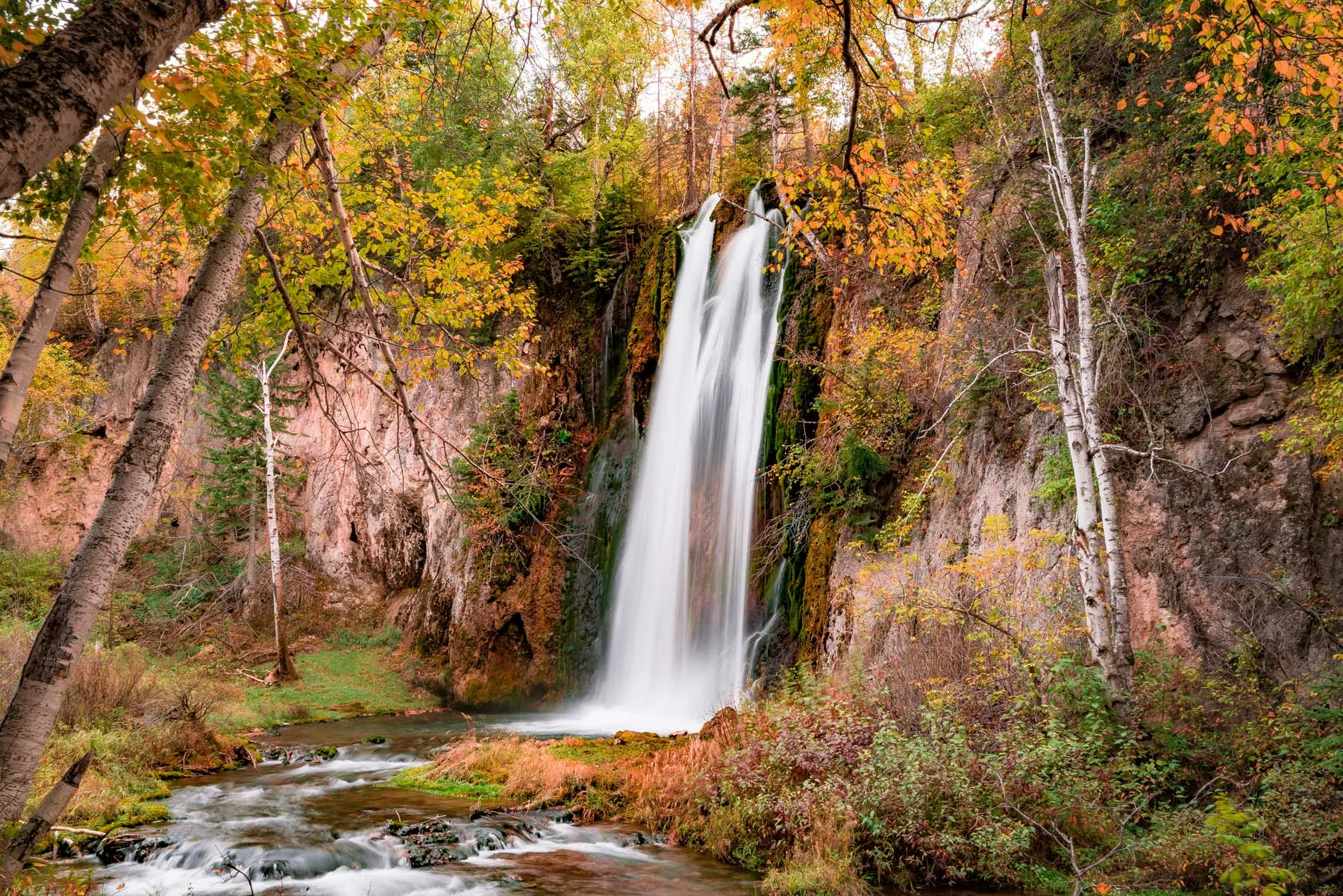
This one is a bit of a tale of two sections of the state which we’ll get into more in the cons section of the article, but there’s no denying that South Dakota has some spectacular natural scenery.
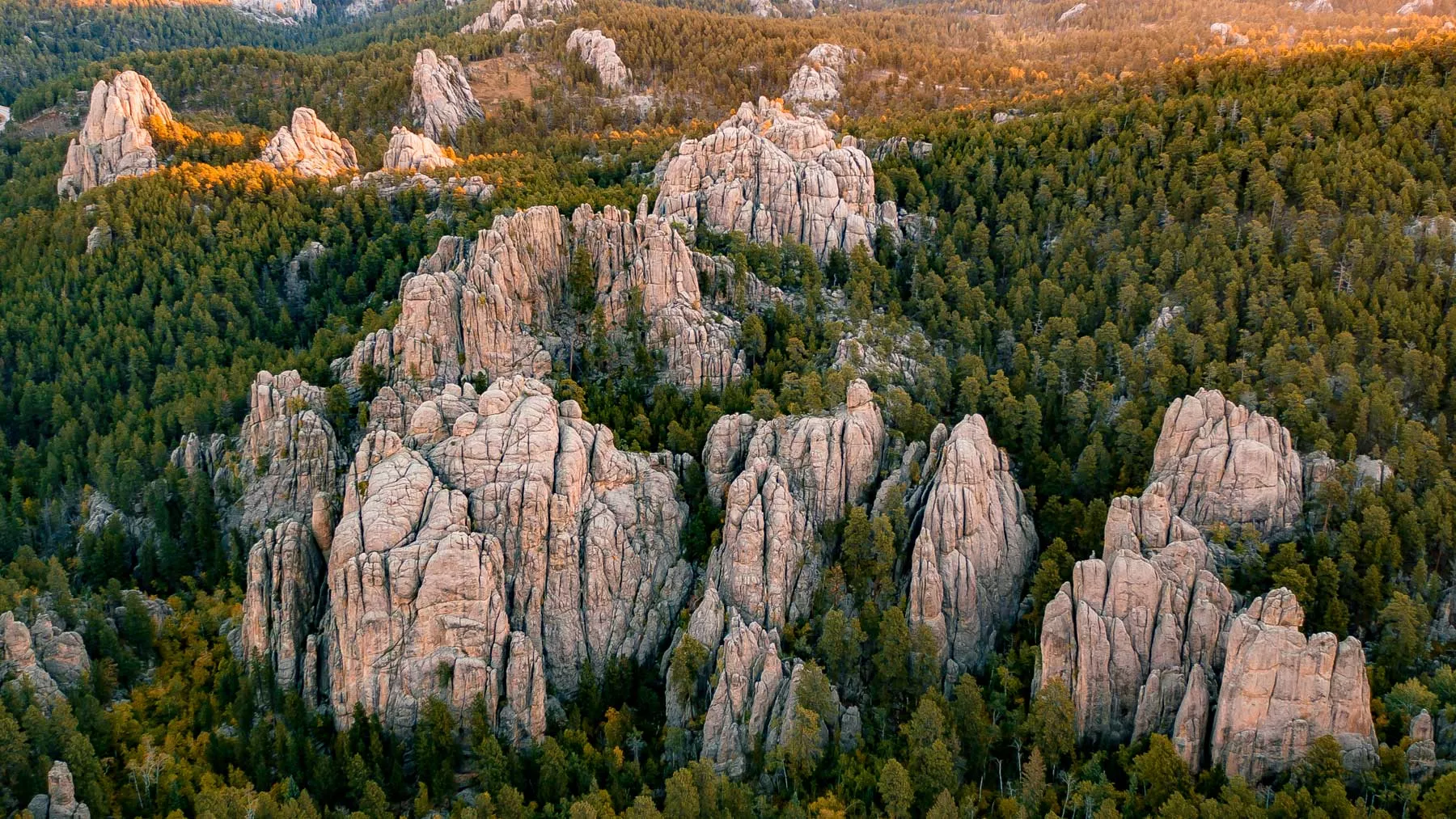
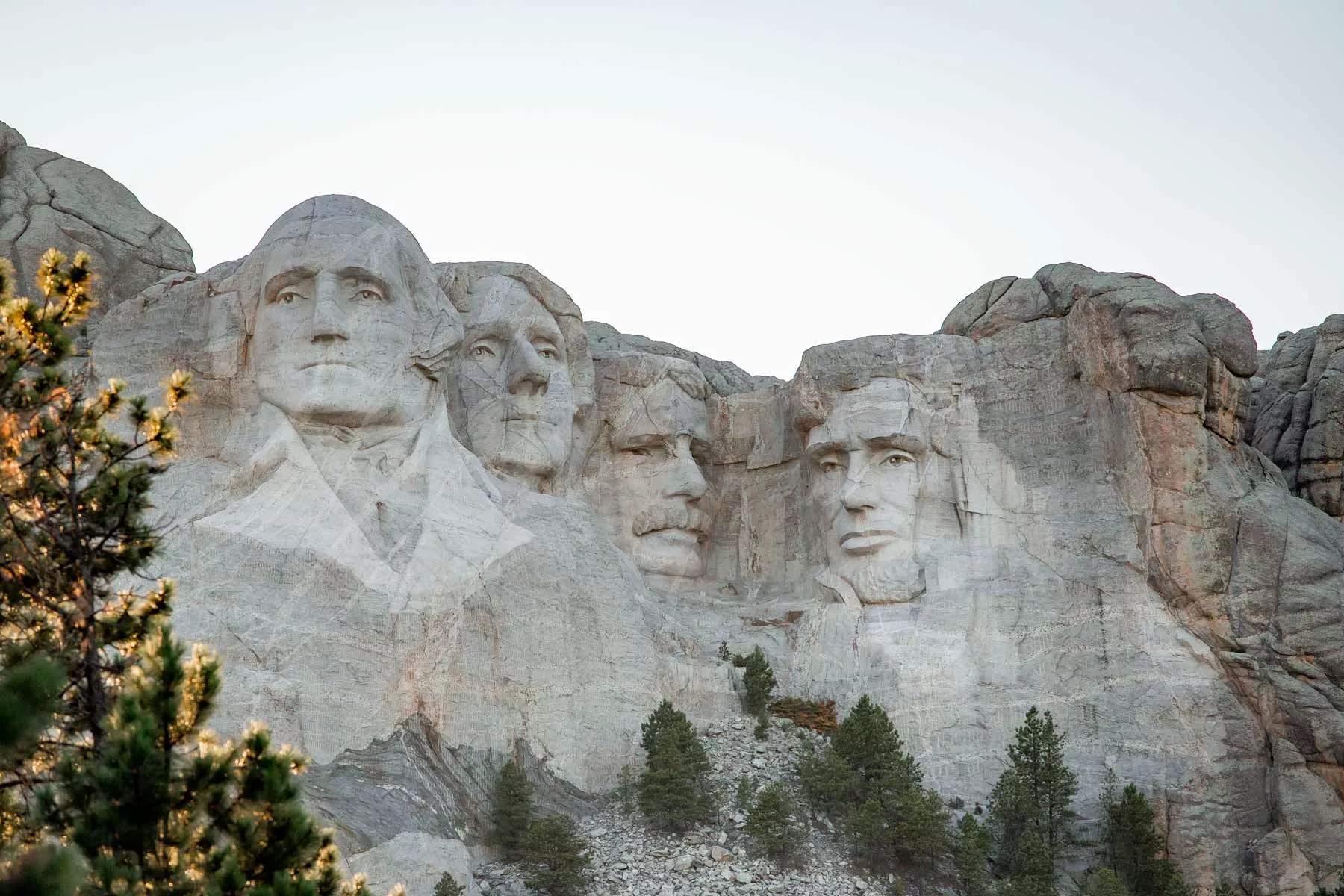
Home to wonders such as the Black Hills National Forest, Badlands National Park, Wind Cave National Park, Mount Rushmore, the Crazy Horse Memorial, and more, there is plenty of feasting for the eyes.
Personally, my favorite area in the state is the Black Hills. There’s some serious magic there that can’t be put into words. Every time I’m there the child in me comes out and I can’t help but to gawk at all of the gorgeous scenery.
There are few places in America as magical as the Black Hills. Moving to (the west side) of South Dakota from the East Coast is a welcome adjustment For outdoor beauty.
Mount Rushmore draws 3 million visitors per year. The Badlands and Black Hills are among the most dramatic landscapes in the Great Plains. Tourism is a top economic driver.

4. Bountiful Outdoor Recreation
Beautiful natural scenery usually goes hand in hand with bountiful opportunities for outdoor recreation and this case is no exception. South Dakota has everything except for an ocean. Literally, if it’s an outdoor activity it’s here. Hiking, biking, paddling, climbing, hunting, fishing, boating, skiing, lakes, rivers, mountains, and more all exist here.
As an avid angler, I’m always surprised that South Dakota doesn’t show up on more lists of the best states for fishing! We have some world class fly fishing spots like Rapid Creek, Spearfish Creek, and Castle Creek set against breathtaking rock formations in pristine streams. Again, this is a case where not every part of the state is created equally and we’ll chat about that below.
5. Friendly Locals
Having lived all over the United States I can safely say that South Dakotans are a friendly bunch. In most cities across the state waving to one another as you drive or walk by someone is not uncommon. Friendly greetings in stores and business are the norm rather than the exception here.
While South Dakota was ranked in the top half of friendly states at number twenty, I’d like to think of us as being in the top ten. This one depends on where you live in South Dakota exactly. But by and large it’s not like New York, Los Angeles, or God forbid the Pacific Northwest where it seems to be a sport not to acknowledge your fellow human.
South Dakota has about 920,000 residents total. Sioux Falls (200K) is the only city of real size. Rapid City has just 80,000. The small-population dynamic shapes everything about daily life.
6. Low Unemployment
If you’re moving to South Dakota without a job lined up you’re probably going to be just fine. In fact, South Dakota has the 3rd lowest unemployment in the United States meaning there’s plenty of jobs here.
Healthcare is the number one sector in South Dakota followed by retail, manufacturing, food services, and technology. Technology is the fastest growing sector in South Dakota with an nearly 20 percent increase in tech jobs over the past 5 years. Most of the jobs are concentrated in Sioux Falls and Rapid City.
- $375k−0.9%FRED / realtor.com · 2026-0820th cheapest of 49 states
- $322k±0Zillow Home Value Index (state) · 2026-0821st cheapest of 49 states
- 2.0%±0 ptBLS Local Area Unemployment Statistics · 2026-081st lowest of 49 states
- $4.28−0.1%AAA · 2026-09-2720th cheapest of 50 states
- 88.6US = 100BEA Regional Price Parities (SARPP) · 2024
Locals’ verdict4 locals scored cost, weather, jobs, people and safety; where South Dakota stands on our rankings
The percentage shows at 10 votes.
Cons of Moving to South Dakota
1. Harsh Winters
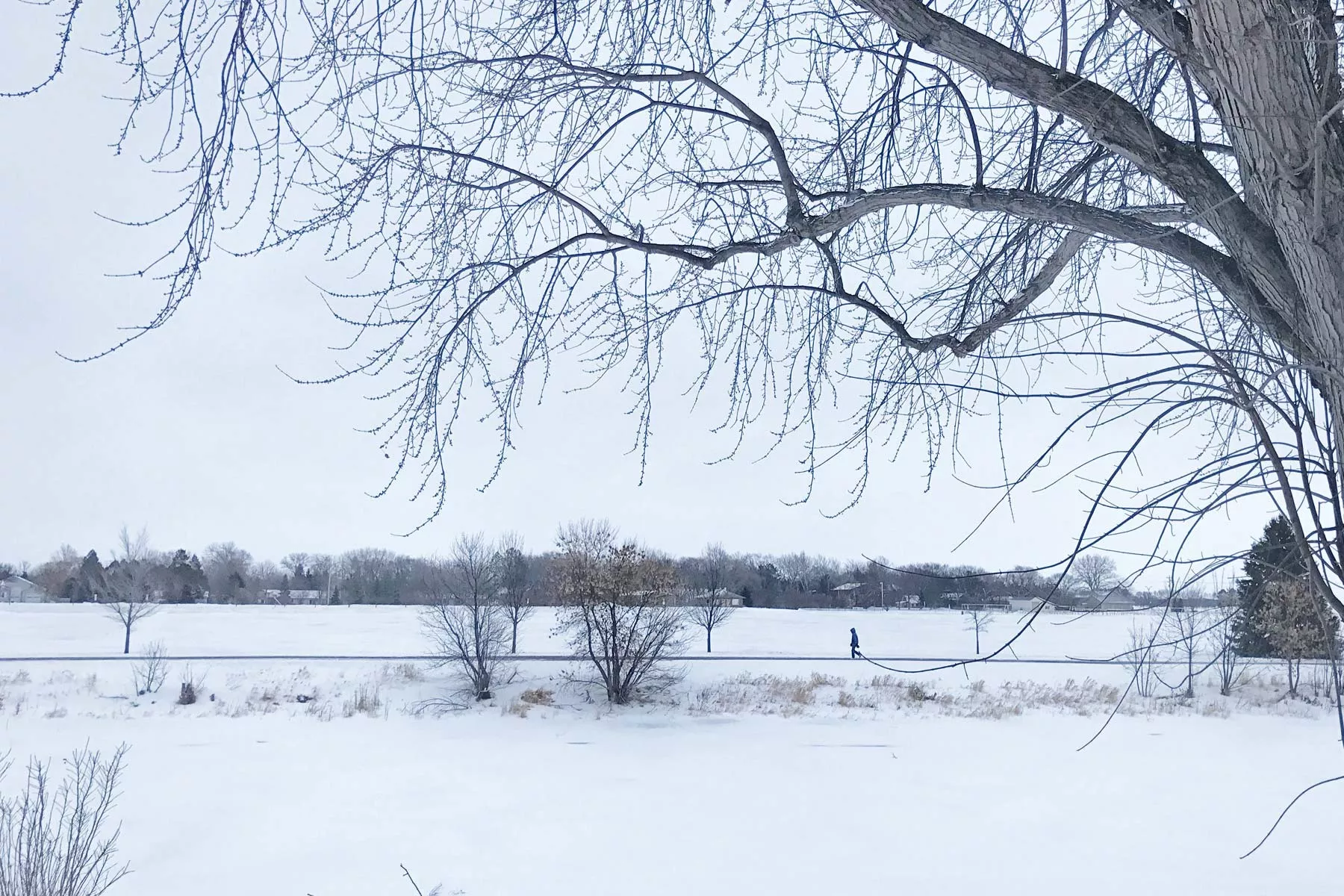
There’s no way to sugar coat this one. Winter in South Dakota is downright brutal. And while the numbers will tell you that with South Dakota having the fourth harshest winter in the United States on paper, it’s something you can’t truly appreciate until you experience it for yourself.
Here’s a few stats that should test your resolve of moving to South Dakota. The fastest ever temperature drop in world history happened in Spearfish, South Dakota when it went from 54°F to -4°F in just 27 minutes. Can you imagine? South Dakota is home to the 6th coldest winters in the United States with an average winter temperature of 19.5°F.
And while the cold is bad, the wind chill is what makes it damn near intolerable. The miserable winters are easily the worst part of living in South Dakota for me.
Blizzards, ice storms, wind chills below -30F. The open prairie offers no windbreaks.
Blizzards, ice storms, and wind chills below -30F are standard. The open prairie offers no windbreaks. November through March requires serious winter preparation.
2. One-Sided Politics
If you’re a Republican then living in South Dakota probably sounds like a great idea. After all, South Dakota is ranked the 4th most Republican friendly state in the country. But I’ll tell you what, the one-sided griping “discussions” get old really quick. Nobody seems to have any ideas for how to fix things and instead just constantly complain about how “liberals and democrats are ruining everything.”
Republicans dominate. And while it’s true that many folks here share conservative values, it can be really isolating for anyone that leans more moderate or liberal. In elections, there’s often little competition, and it’s all-too-easy for our elected officials to become complacent when they know they have such a stronghold on power.
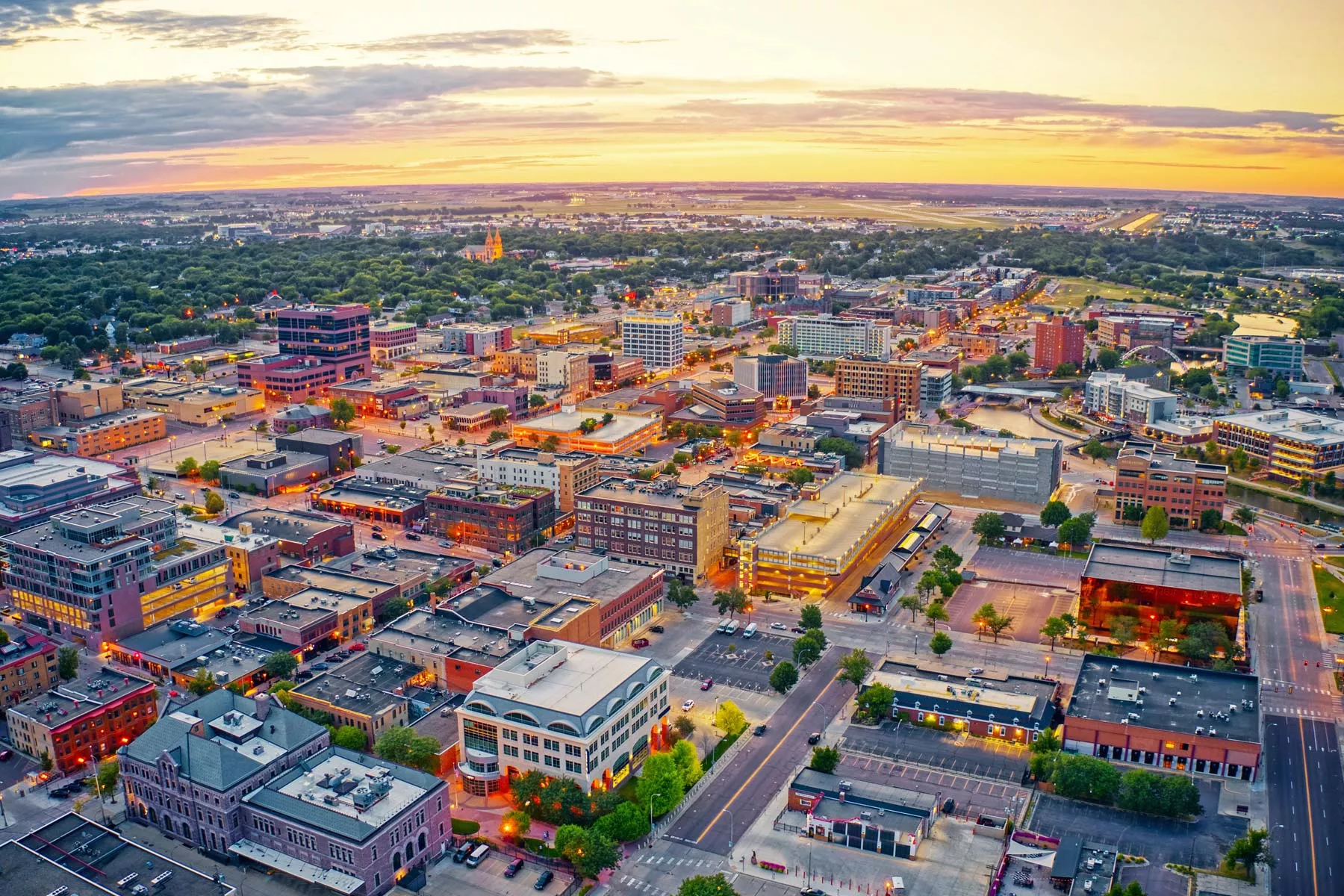
3. There’s Only Two “Big” Cities in South Dakota
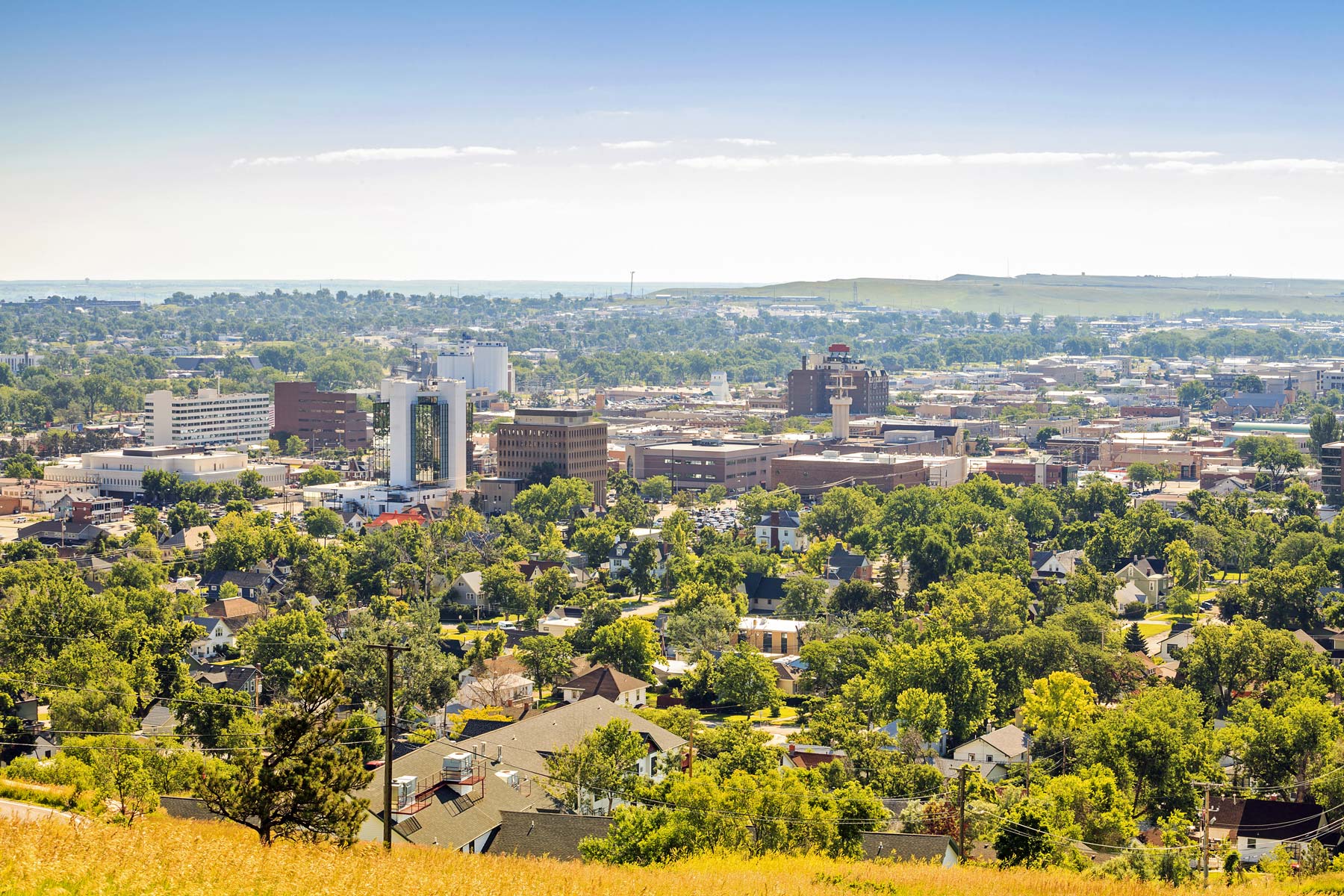
As someone who has lived in New York City, the word “big” when talking about these cities must be used with quotations. The largest city in South Dakota is Sioux Falls, located on the far southeastern corner of the state with a population of almost 937,000 people.
The second largest city in South Dakota is Rapid City, located on the far western side of the state with a population just shy of 80,000 people. The next largest city is Mitchell with a population that’s less than 30,000 people.
For lots of folks this is part of the reason that they’re moving to South Dakota and that’s great. If you happen to like modern conveniences and other niceties that come with city living then you should strongly consider if living in South Dakota is really for you.
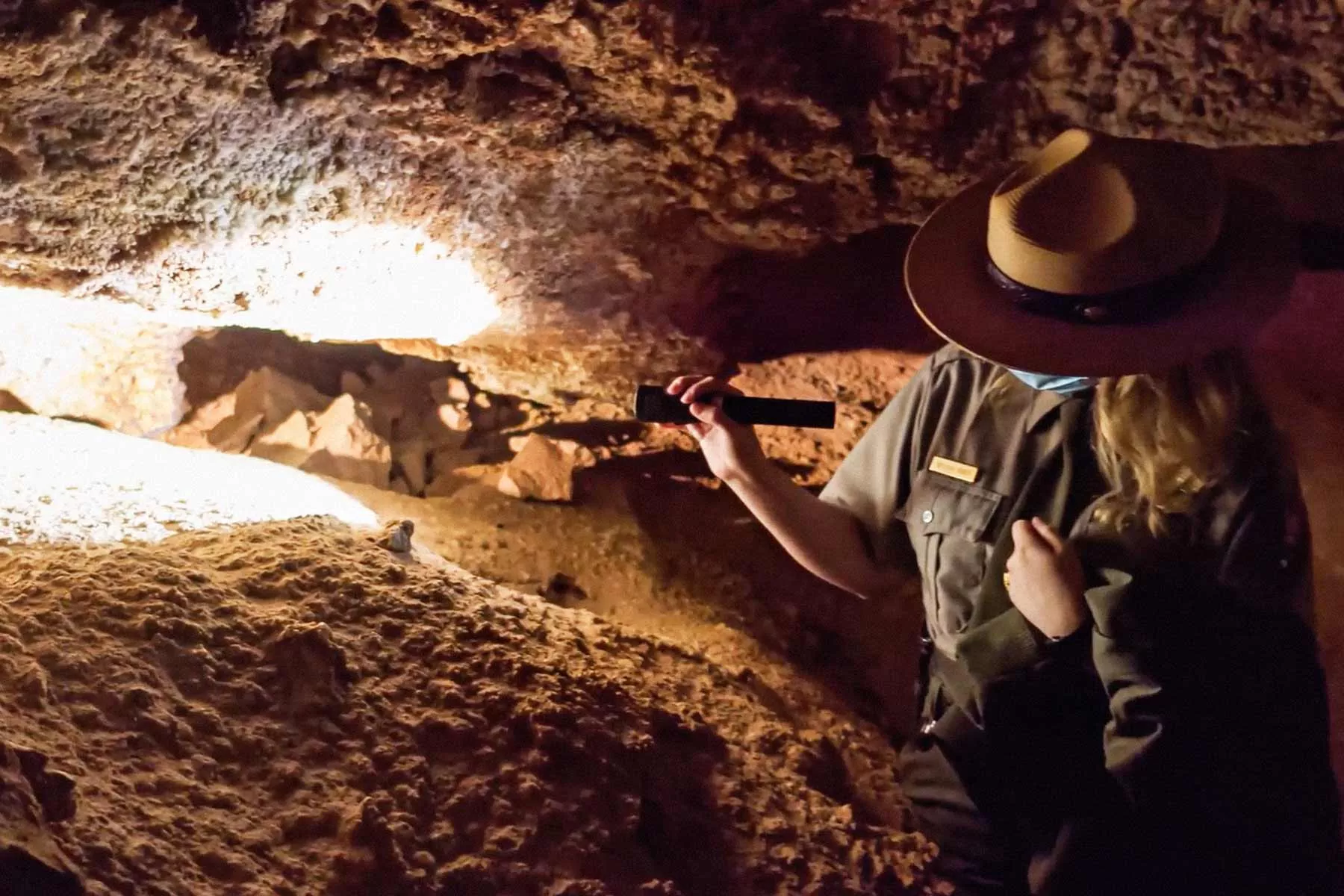
4. Lack of Good Stores & Shopping
This next point was almost a personal deal breaker for living in South Dakota. Let’s start off here with the three most important stores (to me). Brace yourself – there is only one Costco in the entire state of South Dakota (located in Sioux Falls). There are no Whole Foods in South Dakota. There are no Trader Joe’s in South Dakota. Any/all Millennials reading this have now left the chat.
Beyond that, there’s really just a huge dearth of trendy shops all around. If you’re thinking of moving to South Dakota I recommend you do the following: Pull up Google maps and look up your top five favorite stores and/or restaurants to see if they have any locations in South Dakota. If so, how far are they from where you’re thinking about moving?
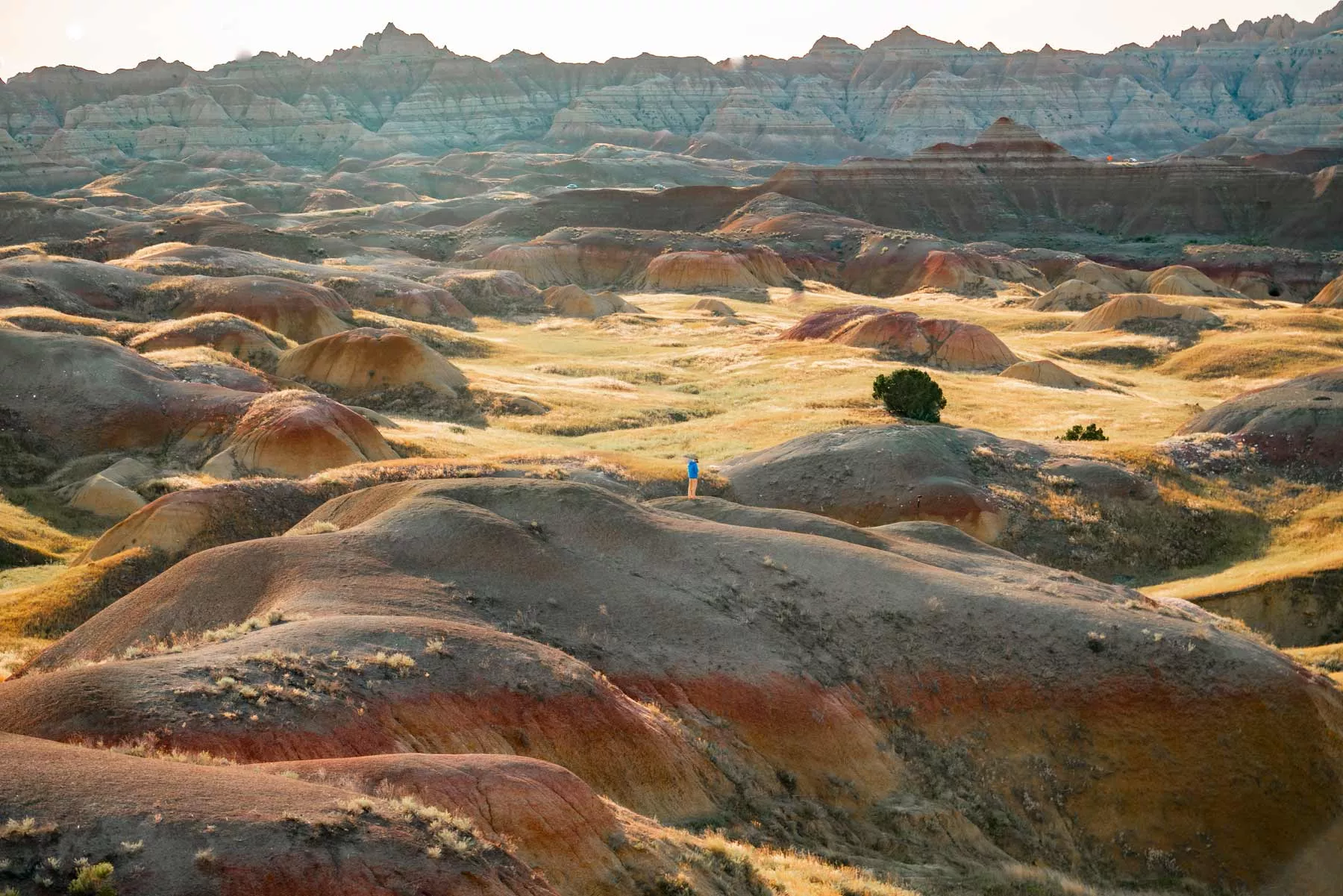
5. Isolation
This one affects everyone differently. Plenty of folks move to South Dakota specifically because it’s out there, away from the hustle and bustle. I can appreciate that. For most of us, I think the isolation of the state is a negative, and it grinds at you in a number of ways. At the extreme end, take the fact that Bennett County South Dakota is the furthest point in the United States from an ocean into consideration.
Or take into account that if you live outside of Rapid City and Sioux Falls you are potentially hours from any major store.
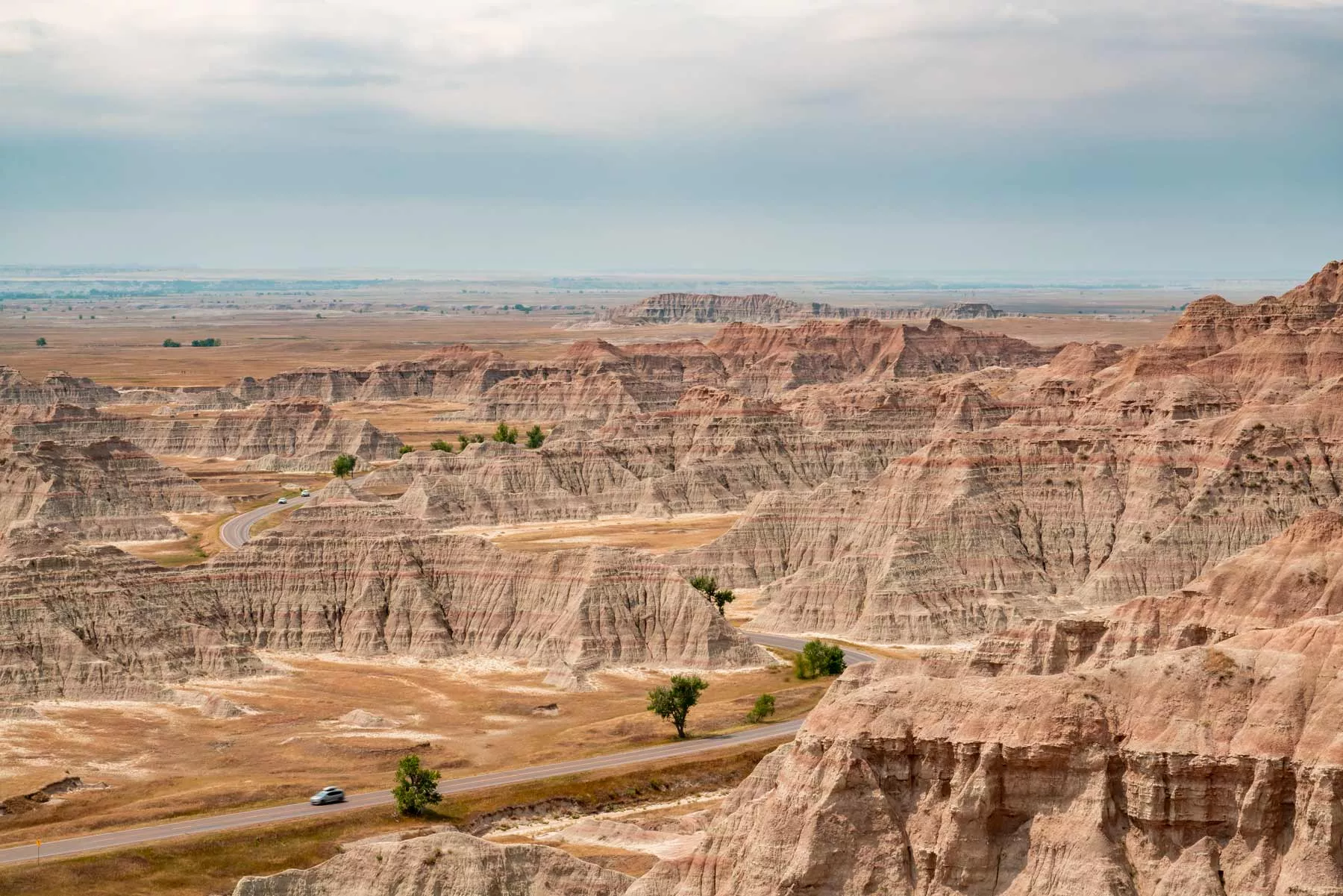
6. Long Drives to… Anywhere
So we talked about the isolation and the fact that there’s only two sizable cities in South Dakota – Rapid City & Sioux Falls. Now get this – to get from Sioux Falls to Rapid City takes nearly five hours of driving. And while the endlessly amusing signs for America’s most famous roadside attraction, Wall Drug, might keep you entertained for the first few months, are they enough to do the job if you end up living in South Dakota?
Seriously, the amount of time I spend in the car is ridiculous. If you want to go anywhere that’s outside of your city there goes half a day. No joke, I have friends who make the (6 hour each way) “civilization” drive to Denver once a month just to get access to stores and food they enjoy.
7. The Relentless Wind
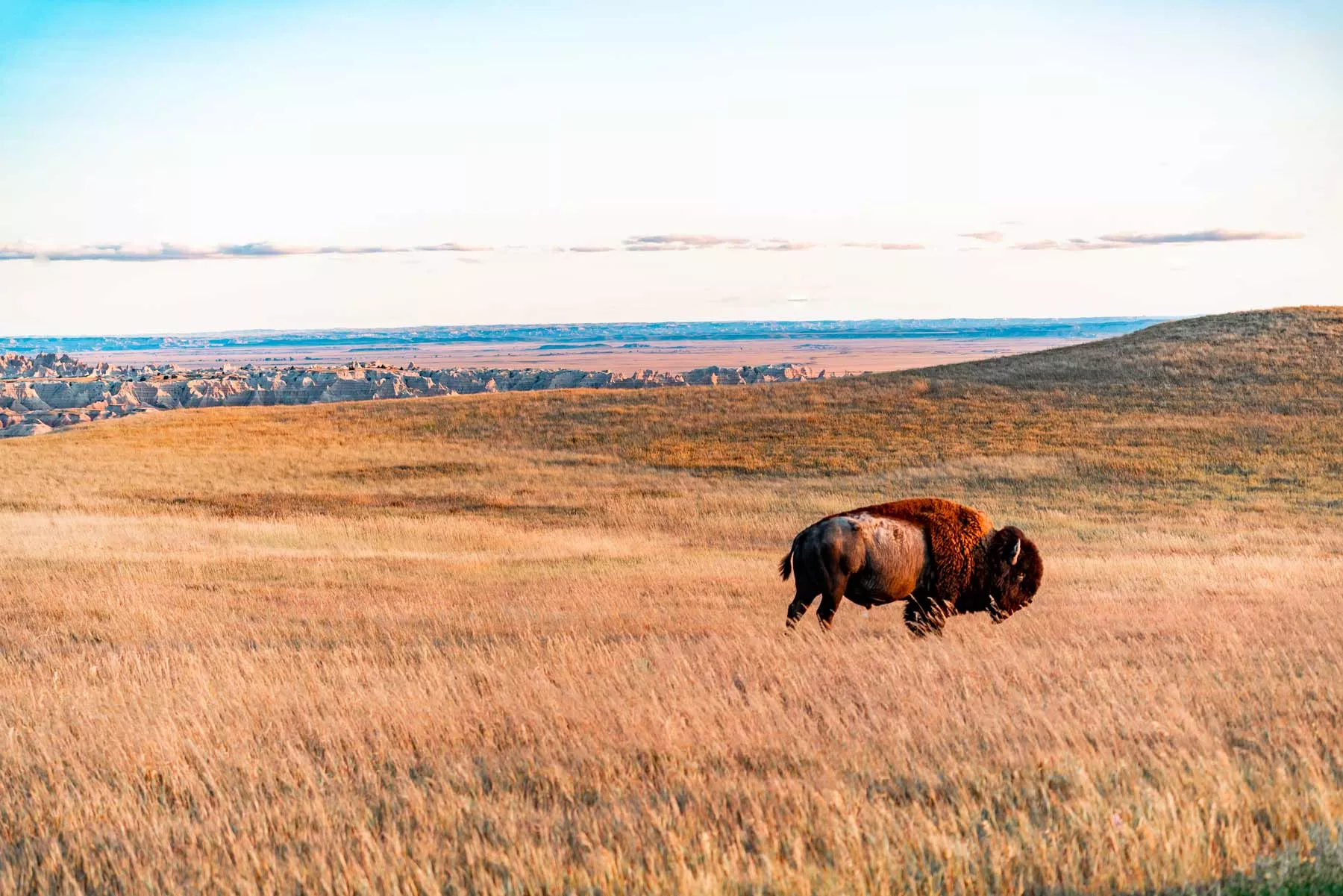
If this one has you scratching your head a bit just bear with me. South Dakota is the windiest state in the US with an average wind speed of more than 21mph. Personally, I strongly dislike wind. Now I’m not talking about a gentle breeze (love those), or some nice air circulation (a necessity), but rather strong sustained wind.
If you’re considering moving to South Dakota you should know the wind is non-stop. It really seems to pick up in spring to downright intolerable levels but is present throughout the year. I realize this is just part of living on the great plains but for me it’s a real negative that still bothers me to this day.
Some things you get used to over time like a bad smell that eventually you don’t pick up on anymore. The wind in South Dakota isn’t like that. It’s more like a mosquito or fly that just won’t stop bothering you.
8. Lack of Diversity
Plain and simple, South Dakota is one of the least varied states in America. In South Dakota, the demographic landscape is quite uniform, with the White non-Hispanic population making up 84.43%.
The state has a smaller Black or African American community, constituting only about 2% of residents. Native Americans and Alaska Natives represent a significant portion at 8.34% (largely concentrated in specific areas), but other racial groups like Asians are far less prevalent, at just 1.5%.
The Hispanic or Latino population, while varied within itself, comprises only 4.27% of the state’s total, with those of Mexican origin being the largest group within this category. This has a big impact on our community life – from the kinds of festivals we have to the types of food available. It also influences our economy; less diversity means less innovation and fewer new businesses.
From my perspective it’s the schools where the impact is the worst – our kids are missing out on learning about different cultures first-hand. It’s a downside that impacts how we connect with the wider world and understand different perspectives.
9. Monotonous Landscapes
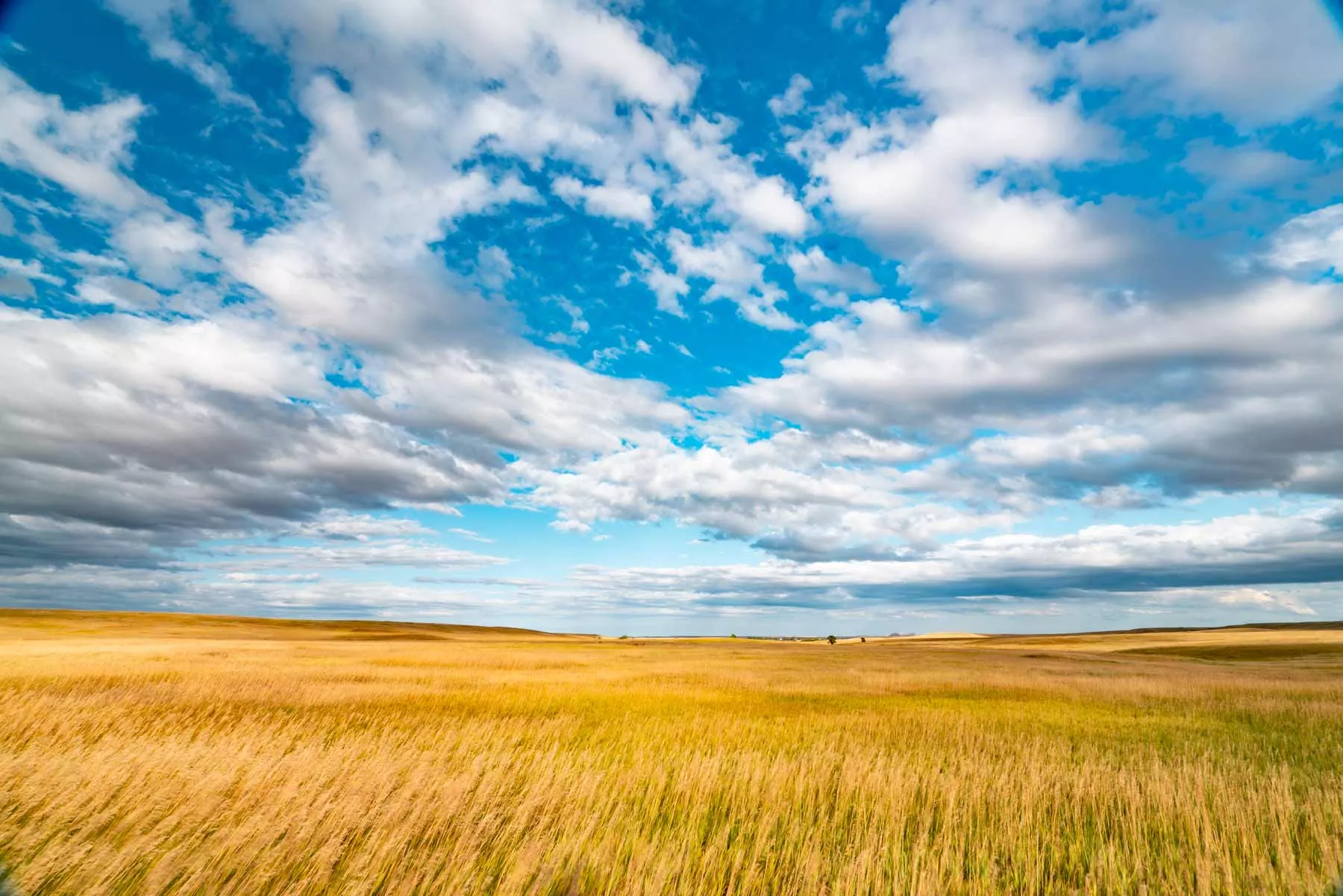
Earlier I talked about how beautiful the state is, and it’s true, South Dakota is stunning. However, pretty much all of that stunning natural scenery is limited to the far western sliver of the state (and maybe a bit in the far southeastern corner).
Outside of that, the landscape can be described as simply endless oceans of grass or in the winter just one big blanket of white. There are very few things (including trees) to break up that monotony. At first it’s kind of novel, but living in South Dakota it wears on you.
Tell the next person the thing the guide misses.
South Dakota at a Glance
| Population | 937,000 |
| Median Home Price | $320,000 (22% below national avg) |
| Median Household Income | $79,850 |
| Unemployment Rate | 2.2% |
| Cost of Living Index | 91.9 (100 = national avg) |
FAQ – Living in South Dakota
Is South Dakota a good place to live?
Is South Dakota a good place to live?
South Dakota is a good place to live for those who cherish a quieter, nature-centric lifestyle. It’s ideal for outdoor enthusiasts, thanks to its stunning landscapes like the Black Hills and Badlands, offering ample opportunities for hiking, biking, and wildlife exploration. The state’s low cost of living, no state income tax, and affordable housing attract retirees and families looking for a more economical way of life. Additionally, its small, close-knit communities are perfect for those seeking a strong sense of belonging and a slower pace of life.
Summary of the Pros & Cons of Living in South Dakota
- No State Income Tax / Low Taxes
- Low Cost of Living
- Beautiful Natural Scenery
- Bountiful Outdoor Recreation
- Friendly Locals
- Low Unemployment
- Harsh Winters
- One-Sided Politics
- Only Two “Big” Cities
- Lack of Stores & Shopping
- Isolation
- Long Drives to Anywhere
- The Relentless Wind
- Lack of Diversity
- Monotonous Landscapes
Map of South Dakota
Pin Living in South Dakota
Helpful Related Articles
Living in Kansas: 15 Honest Pros & Cons of Living in Kansas
Living in Nebraska: 15 Honest Pros & Cons of Living in Nebraska
Living in North Dakota:15 Honest Pros & Cons of Living in North Dakota
Living in Montana: 15 Honest Pros & Cons of Living in Montana
Best Places to Live in Montana: 10 Best Places to Live in Montana
Living in Wyoming: 15 Honest Pros & Cons of Living in Wyoming
Living in Idaho:15 Honest Pros & Cons of Living in Idaho
Living in Boise:15 Honest Pros & Cons of Living in Boise
Living in Oregon: 15 Honest Pros & Cons of Living in Oregon
Living in Washington State: 15 Honest Pros & Cons of Living in Washington State
Living in Colorado:15 Honest Pros & Cons of Living in Colorado
Living in Minnesota:15 Honest Pros & Cons of Living in Minnesota
Living in Minneapolis:15 Honest Pros & Cons of Living in Minneapolis
South Dakota flies under the radar, which is part of its charm. No state income tax is the headline number, and the cost of living is low. Sioux Falls has quietly become one of the better small cities in the Midwest: solid job market, good healthcare, surprisingly good food scene for its size. Rapid City is the gateway to the Black Hills, which are genuinely beautiful. The badlands are otherworldly. The downsides: the winters are harsh, the state is sparsely populated and isolated, cultural amenities outside of Sioux Falls and Rapid City are minimal, and the wind never stops. If you value financial freedom, outdoor access, and a small-town feel, South Dakota delivers more than people expect.
South Dakota is very affordable, and the no-state-income-tax thing is real. The median home price statewide is around $290,000. Sioux Falls runs about $310,000, and Rapid City is similar. Rents for a one-bedroom average $900 to $1,200. No state income tax and no corporate income tax. Property taxes are moderate. Sales tax is 4.2% at the state level with some local additions. Groceries are near the national average. Heating costs are significant in winter. Overall, the combination of no income tax and affordable housing makes the take-home-pay math very favorable, especially for remote workers or people in higher tax brackets moving from coastal states.
The wind is the thing nobody warns you about. South Dakota is windy constantly, and in winter that wind turns sub-zero temperatures into dangerous wind chills. Frostbite is a real risk on exposed skin during January and February. Your winter driving skills need to be solid because blizzards and black ice are regular occurrences. The Black Hills and western SD are stunningly beautiful but also remote: the nearest big city is a long drive. Healthcare in rural areas is limited, and specialist care often requires a trip to Sioux Falls or out of state. The Native American reservations, particularly Pine Ridge, have significant poverty and infrastructure challenges that are important to understand about the state. Sioux Falls is the safest bet for someone wanting amenities and community, but even it has limited direct flights and cultural offerings compared to larger metros. If you come here, come for the lifestyle, not the nightlife.
Related Reading
- Pros & Cons of Living in North Dakota
- Pros & Cons of Living in Minnesota
- Pros & Cons of Living in Iowa
- Pros & Cons of Living in Nebraska
- Pros & Cons of Living in Wyoming
- Pros & Cons of Living in Montana
Locals and transplants keep circling back to two things: the low cost of living and the friendliness of people, especially compared to bigger coastal cities. Sioux Falls gets praise for being calm and affordable, while newcomers eye Rapid City for its access to Ellsworth AFB and the Black Hills. Winters and driving conditions come up often, with people from warmer states asking how to prepare.
The warning that repeats is about crime in Rapid City, which some call the worst tier in the country, even as others rave about the scenery and lower taxes nearby. Politics also stirs debate, with some readers accusing the piece of bias against South Dakota for painting other regions as unfriendly. The split runs between retirees and conservative-leaning movers who love the calm and lower taxes, and a few critics who feel the guide is politically slanted or who’d rather live somewhere warmer and bluer.
“it’s true that the people there are friendly and helpful”
Alyse Stockwell Reader
“it has terrible crime, ranked the worst tier of crime in the country”
Tristan Reader
“lower cost of living, I think 12% lower than the national average”
Tristan Reader