Locals: still true in 2026? Say so in the thread.
Sarasota, Weighed Honestly Before You Pack the Truck
I have helped enough people land in Sarasota to know exactly where the honeymoon ends and the paperwork begins. It usually happens about six weeks in, when the beach still looks like a screensaver and the first insurance renewal shows up in the mailbox. Sarasota is one of the few Florida towns that genuinely earns its reputation, and it is also one where the true cost of living hides in line items nobody mentions on the way down. So this is the version I give friends who ask, the one that starts with what is real and does not pretend the summer heat or the premiums do not exist.
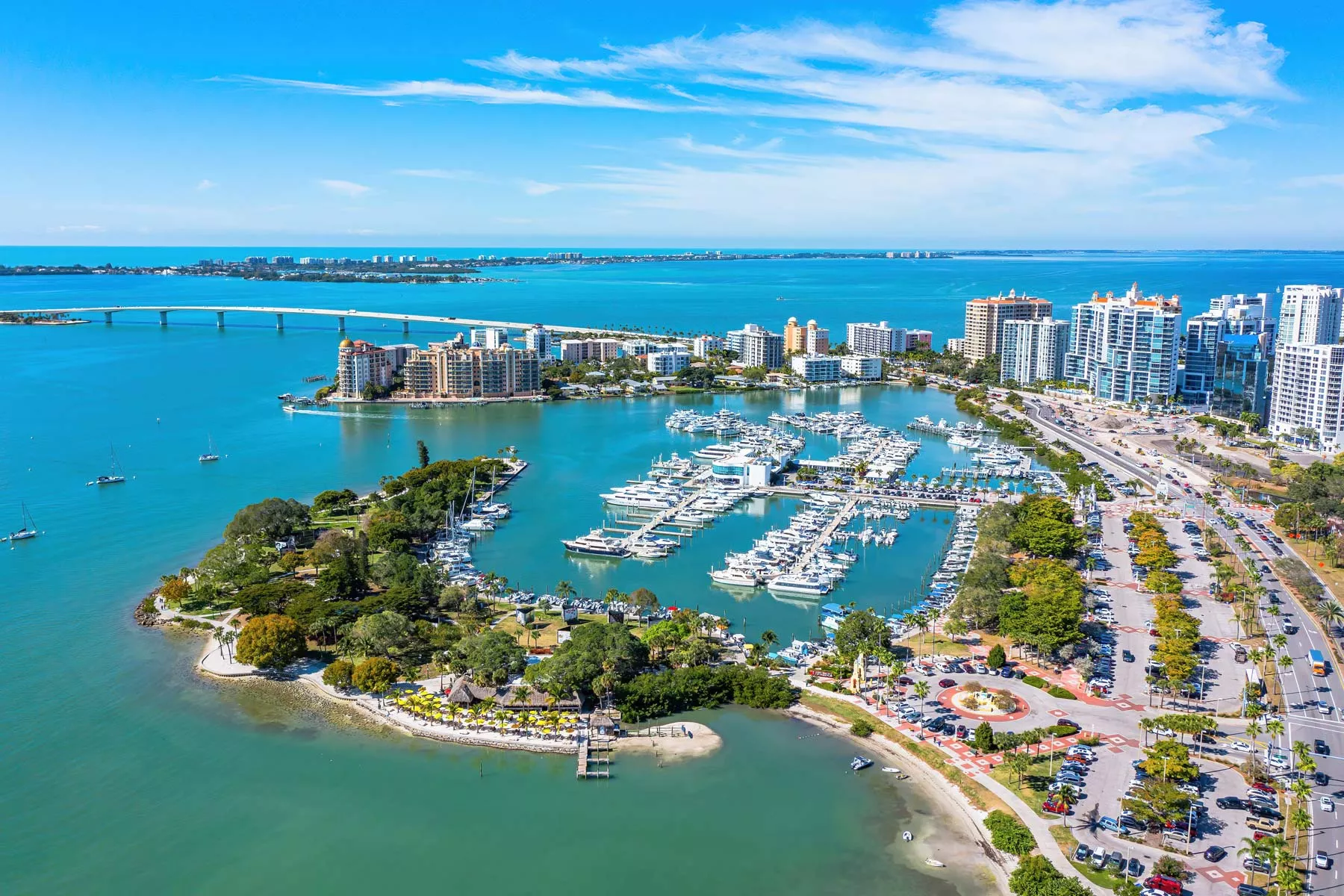
No real estate agent wrote this and no tourism board approved it. What follows is the plain version, the genuinely great and the genuinely tough, with real 2026 numbers so you can decide for yourself. Sarasota has a lot going for it. It also has a few things people conveniently skip over when they are trying to get you to move down.
Fair warning though. The beach really is that good. Let us start there, then get into the parts that cost money.
The Pros of Living in Sarasota
1. Siesta Key Is the Best Beach in America. This Is Not Marketing.
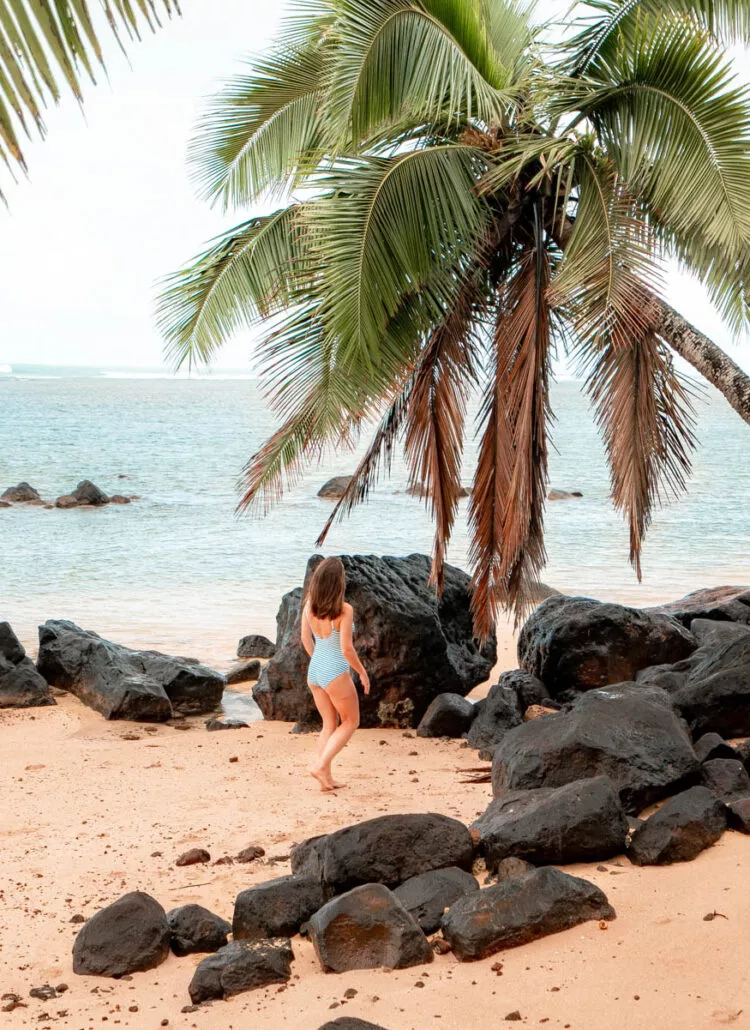
Plenty of towns claim a great beach. Sarasota has the receipts. U.S. News and World Report named Siesta Key the No. 1 Best Beach in the United States for 2026, and it was the only Florida beach to crack the World’s 50 Best Beaches list that same year, landing at No. 28. The thing that makes it special is the sand. It is 99 percent quartz, ground down over millennia, so fine it squeaks underfoot and so reflective it stays cool enough to walk barefoot at noon in July. That last part sounds like a small thing until you have burned the soles of your feet on regular Florida beach sand.
And it is not just Siesta. Lido Key sits minutes from downtown, Longboat Key runs quieter and more upscale, and Turtle Beach at the south end is the local pick when the crowds get thick. If a walkable, actually beautiful beach is high on your list, this is the strongest single reason to move here. This one earns the hype.
One honest caveat. Siesta itself gets genuinely mobbed in peak season, and parking can turn into a fifteen-minute lap of the lot before you find a spot. The trick locals use is simple. Go early, before ten, or go late for the sunset drum circle, and skip the middle of the day entirely from January through March. Treat the beach like a resource you time rather than a place you show up to on a whim, and it stays magical.
2. A Real Arts Scene, Not a Retirement-Town Rec Room
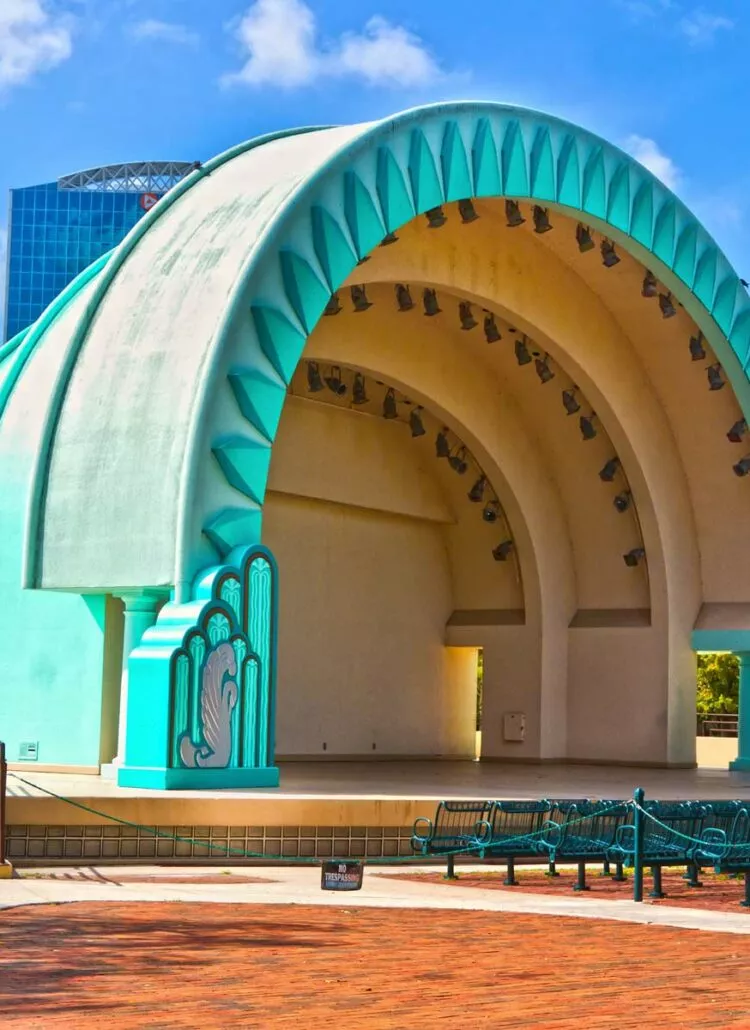
This is the part that surprises people. For a metro this size, the culture is absurdly deep. The Ringling is the anchor, a bayfront campus with a serious art museum, the Ca’ d’Zan mansion, a circus museum, and gardens, all left to the state by circus magnate John Ringling. Beyond that you have the Van Wezel Performing Arts Hall, that purple scallop-shaped building on the bay that books Broadway tours and touring orchestras. Sarasota Opera has been running since 1960. There is a resident ballet, the Asolo Repertory Theatre, and the Sarasota Orchestra. That density of professional arts in a town this small is genuinely rare, and it is why so many people who could retire anywhere pick here specifically.
The food scene has grown up alongside the arts, too. St. Armands Circle is the postcard spot, a ring of restaurants and shops out toward Lido Key, and downtown has filled in with genuinely good independent places rather than just chains. It is not a major food city on the level of a Tampa or Miami, and prices reflect the affluent, seasonal crowd. But you will not go hungry for a good meal, and the farmers market and the Gulf seafood keep the ingredients honest.
3. No State Income Tax
Florida does not levy a state income tax, full stop. On a retirement income, a remote salary, or business earnings, that is real money staying in your pocket every year. It is the same tax logic that draws people to the rest of the state, and it partially offsets some of the costs I am about to complain about. Partially. Hold that thought until we get to insurance. If you are weighing this against other parts of the state, our rundown of the honest pros and cons of living in Florida lays out how the tax picture plays statewide.
4. Healthcare That Punches Above Its Weight
For a mid-size city, and especially for the older population that gravitates here, the medical care is a legitimate selling point. Sarasota Memorial Hospital has made Newsweek’s World’s Best Hospitals list for eight straight years, and it has earned a perfect 5-star rating from the federal Centers for Medicare and Medicaid Services ten years in a row, something no other hospital in Florida can claim. When a big share of your neighbors are retirees, the quality of the local hospital stops being an abstraction. Here it is a real strength.
5. The Winters Are Genuinely Glorious
From roughly November through April, Sarasota is close to perfect. Highs in the 70s, low humidity, gulf breezes, and sunshine that makes you understand why people uproot their whole lives for this. This is the payoff season. If you have spent decades scraping ice off a windshield, a Sarasota January feels like a reward. Just know that this glorious season comes with a catch, and we will get to it in the con column.
The other thing to say about the weather is that it reshapes your whole calendar. In much of the country you brace for winter and live for summer. Here it flips. You pack the outdoor life, the beach days, the long walks, the patio dinners, into the cooler months, and you treat the hot ones as the season to travel, hunker down, and let the air conditioning earn its keep. It takes a year to fully rewire your instincts. Once you do, the rhythm makes a lot of sense.
6. Serious Colleges and a New Marine-Science Anchor
Sarasota is not just where you retire to look at art. It is where people come to make it and study it. Ringling College of Art and Design has been here since 1931, a private art and design school of roughly 1,660 students whose film program landed at No. 15 on The Hollywood Reporter’s Top Film Schools list for 2026. That matters for the texture of the town in a way a spreadsheet misses. You get galleries, student films, a steady stream of working artists and designers, and a downtown that has a genuine creative pulse rather than just early-bird specials. It keeps the median age from swallowing the place whole.
The science side got a major upgrade recently, too. Mote Marine Laboratory, a longtime research institution best known for shark and coral work, opened its new Mote Science Education Aquarium in October 2025. It is a 146,000-square-foot, three-story building that cost about 132 million dollars, sitting right off Interstate 75 at Nathan Benderson Park with more than a million gallons of water across its habitats. For families, for anyone who cares about the Gulf, and for the researchers it draws to the area, it is a real institution rather than a tourist trap. Between Ringling College, New College of Florida, and Mote, this is a town with genuine intellectual and creative infrastructure, which is not something you can say about most Florida beach communities its size.
7. Walkable Downtown and Real Neighborhoods
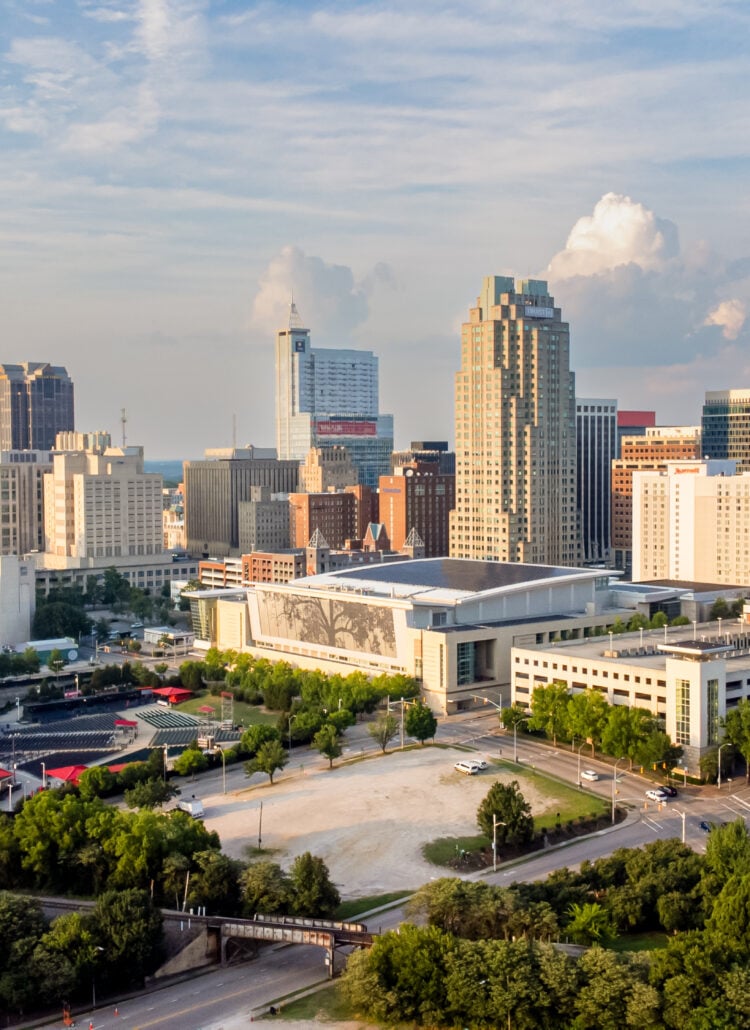
Sarasota’s downtown is more urban and more walkable than most Florida cities its size. Main Street has actual restaurants, galleries, and a Saturday farmers market, and the bayfront is being rebuilt into a large public park. Nearby, neighborhoods like Laurel Park and Gillespie Park give you tree-lined streets and historic bungalows within a bike ride of the water. If your idea of Florida is strip malls and gated cul-de-sacs, Sarasota will pleasantly surprise you. If you want to see how it stacks up against the rest of the state’s cities, compare it with our take on the best places to live in Florida.
8. Nature and the Outdoors Beyond the Beach
The beach hogs the spotlight, but the surrounding nature is a quieter selling point. Myakka River State Park sits just east of town, one of the oldest and largest state parks in Florida, with a canopy walkway, alligators, and airboat tours. The bays and mangroves make for excellent kayaking and paddleboarding, tarpon and snook fishing draw anglers year-round, and dolphins and manatees show up close enough to shore that you stop taking them for granted. If your version of a good weekend involves being on or near the water, Sarasota delivers well past the sand.
The Cons of Living in Sarasota
9. Homeowners Insurance. Its Own Con List, As Promised.
Here is the bill nobody puts in the brochure. Sarasota sits in the stretch of Southwest Florida coast that carries some of the highest homeowners insurance premiums in the entire country, thanks to hurricane and storm-surge exposure. A typical Florida policy now runs somewhere between about 5,500 and 11,000 dollars a year, and near the water, with an older roof, you are at the top of that range or beyond. That is not a typo. That number can rival or exceed a modest mortgage payment.
There is real good news for 2026. Citizens Property Insurance, the state-backed insurer of last resort, approved an average rate decrease of about 8.7 percent, and the broader market has finally stopped spiraling the way it did a few years back. Prices are cooling. But cooling from a very high peak is still high. Before you fall in love with a house here, get an actual insurance quote on that specific address, roof age and wind-mitigation features and all. If your budget is the deciding factor, our best places to retire in Florida guide points to spots where these costs land softer.
A few things move the number in your favor. A newer roof, ideally under ten years old, makes a real difference. So do documented wind-mitigation features like hurricane straps and impact-rated windows, which insurers reward with credits. Buying farther from the water and out of the highest-risk surge zones cuts the premium and lowers your flood insurance too, because flood is a separate policy on top of your homeowners coverage that many newcomers forget to budget for. None of this is a reason to skip Sarasota. It is a reason to run the full numbers with real quotes on the actual property.
10. The Summers Are Brutal
June through September is the price you pay for those perfect winters. It is hot and it is wet, and the combination produces a heat index that regularly climbs past 104 degrees. Afternoon thunderstorms roll in nearly every day. Your car becomes an oven, your glasses fog the second you step outside, and outdoor plans get built around dawn or dusk because midday is a no-go. Locals adapt. They go to the beach early, run errands in the morning, and treat July afternoons as indoor time. But if you hate humidity, understand that you will be living inside it for about a third of the year.
11. Red Tide Can Wreck a Beach Week Without Warning
This is the one nobody selling you a condo mentions, and it is the con that catches transplants most off guard. Red tide is a bloom of a naturally occurring algae called Karenia brevis, and when it drifts inshore along the Southwest Florida coast, it turns the water a rusty brown and does two miserable things. It kills fish, so the beach fills with a line of dead ones and the smell that comes with them, and it releases an airborne toxin that irritates your eyes, throat, and lungs. On a bad bloom day you can stand on Siesta Key and feel yourself cough within minutes. In March 2025 a bloom stretched from Tampa Bay all the way to Key West, littering beaches from Sarasota south with dead fish and eels and prompting county health advisories to stay off dozens of beaches.
The good news is that it is not constant. As of mid-2026 the water was clean, with only background traces detected offshore, and Mote Marine’s Beach Conditions Reporting System lets you check any given beach before you drive out. Blooms come and go with the winds and currents, sometimes lasting days, sometimes months, and they are worse in some years than others. But if you have small kids, asthma, or a beach-every-weekend plan, understand that a few weeks a year the water may simply be off limits, and no amount of quartz sand fixes that.
12. Hurricane Season Is Not Hypothetical Anymore
For decades Sarasota had a reputation for dodging the big ones. That reputation took a direct hit. Hurricane Milton made landfall right at Siesta Key on October 9, 2024, as a Category 3 storm with winds near 115 mph and storm surge of six to nine feet, the first hurricane to make landfall in Sarasota County since 1944. It came just days after Helene sideswiped the coast. The beaches have been recovering, sand redistribution and all, and the community rebuilt, but the era of assuming Sarasota is somehow protected is over. Season runs June through November, and August through October is the tense stretch. Factor evacuation plans, generators, and impact windows into your real cost of living here.
13. Snowbird Season Doubles the Traffic
Remember those glorious winters? Everyone else figured that out too. From roughly November through April, the population swells with snowbirds and seasonal residents, and the roads feel it. Restaurant waits stretch, the beach parking lots fill by mid-morning, US 41 backs up, and a drive that takes fifteen minutes in August takes forty in February. It is the direct trade-off for the best weather. Locals half-jokingly count down to Easter, when the crowds thin and the town exhales. If you work from home and can beach it on a Tuesday morning, you will barely notice. If you commute, budget extra time for half the year.
14. It Skews Older, and Housing Is Not Cheap
Sarasota has been a retirement magnet for generations, and the demographics show it. That brings the healthcare and the arts funding, but if you are young and single, the dating pool and the late-night scene are thinner than in, say, Tampa or Orlando. And the housing is not a bargain. The median single-family home sale price in Sarasota County was around 485,000 dollars in early 2026, and the overall cost of living runs roughly 18 percent above the national average. No state income tax helps. Insurance and home prices claw some of it back. If a younger, cheaper Florida city is more your speed, weigh the pros and cons of living in Orlando or the pros and cons of living in Jacksonville instead.
It is worth being honest about the job market too. Outside of healthcare, hospitality, real estate, and the trades, the professional job pool here is on the thin side. Plenty of people make Sarasota work because they are retired, remote, or self-employed. If you need a corporate career ladder and you are not bringing the job with you, Tampa is the more realistic base, about an hour north, with Sarasota as the weekend escape. That is not a knock, just a reality to plan around rather than discover after the move.
15. Sprawl and Growth Pains
Sarasota is growing fast, and not all of that growth is charming. Head inland from the walkable core and you hit the same Florida pattern of new subdivisions, chain plazas, and roadwork trying to catch up with the population. The east side keeps expanding, infrastructure lags behind, and longtime residents will tell you the traffic and construction have gotten noticeably worse. Lakewood Ranch, the master-planned community straddling the Sarasota and Manatee county line, has been one of the top-selling planned communities in the country for years, which tells you how much building is happening. The beautiful, walkable Sarasota is real. So is the sprawling, under-construction Sarasota a few miles east of it. Pick your neighborhood accordingly.
What Sarasota Actually Costs
Let us put the numbers in one place, because the cost picture here is genuinely lopsided in a way that catches people off guard. The overall cost of living index sits around 118, roughly 18 percent above the national average, driven mostly by housing. The median single-family home sale price in Sarasota County was about 485,000 dollars in early 2026, and while broader typical-value estimates run lower, closer to 400,000 across all housing types, the point stands: this is not a cheap Florida town.
The counterweight is real. Florida has no state income tax, so if you are drawing a pension, a Social Security check, remote wages, or business income, your effective take-home stretches further than it would in a high-tax state. What eats into that advantage is the insurance, the flood coverage near the water, and the seasonal premium on everything from restaurant tabs to lawn services. My blunt advice is to build a full annual budget with real quotes, not the sticker price of the house, before you decide Sarasota fits. The good months are worth paying for. Just know the bill in advance.
Who Sarasota Actually Suits
Sarasota gives you something most Florida towns cannot: a world-class beach, a genuine arts scene, excellent healthcare, and picture-perfect winters, all with no state income tax. Those are not small things, and for a lot of people, especially retirees and remote workers, they add up to a very good life. The question is not whether Sarasota is good. It plainly is. The question is whether the specific trade-offs match the specific way you live.
Picture your actual calendar here. Summer is something to wait out indoors, not a season you enjoy. Hurricanes are a live risk that shapes what you insure and how you plan an October. Red tide may cancel a beach week or two a year with no notice. And the same winters you moved for will fill your roads with everyone else who had the same idea. If reading that list makes you shrug, Sarasota will likely fit you beautifully. If two or three of those are dealbreakers, you have just saved yourself an expensive lesson.
It is a strong match for retirees who want culture and top-tier healthcare within reach of the best sand in the country. It suits remote workers who can swim on a Tuesday morning before the crowds arrive, and anyone who has done one too many Northern winters and is ready to pay a premium for December warmth. It is a harder fit for young professionals chasing a big-city career ladder, for budget-first buyers who cannot absorb the insurance, and for anyone who breaks out in a cold sweat at the thought of a hurricane evacuation. Match yourself honestly against that, pick the right neighborhood, and most people who move to Sarasota end up genuinely glad they did. The beach, it turns out, is worth a lot. Just make room in the budget for the con list.
Frequently Asked Questions
Yes, it runs above the national average. Sarasota’s cost of living index sits around 118, roughly 18 percent above the U.S. average, and the median single-family home sale price in Sarasota County was about 485,000 dollars in early 2026. Florida has no state income tax, which softens the blow, but homeowners insurance is the line item that catches most newcomers off guard, often running several thousand dollars a year near the coast.
It is one of the highest in the country. Southwest Florida counties including Sarasota carry elevated premiums because of hurricane and storm-surge exposure, and a typical Florida policy now runs roughly 5,500 to 11,000 dollars a year depending on your roof age, wind-mitigation features, and distance from the water. There is some good news for 2026, as Citizens Property Insurance approved an average 8.7 percent rate decrease, so the market is finally cooling from its worst years.
By several measures, yes. Siesta Key was named the No. 1 Best Beach in the U.S. by U.S. News & World Report for 2026, and it landed at No. 28 on the World’s 50 Best Beaches list, the only Florida beach to make it. The sand is 99 percent quartz, powder-fine and cool enough to walk on barefoot at noon. It is the single strongest reason people move here.
It is roughly average for a mid-size American city, which surprises people who expect a sleepy retirement town. Property crime tracks close to the national rate, and violent crime figures vary a lot by source and neighborhood. Downtown and the barrier islands feel calm, while some pockets on the north and east sides skew higher. As anywhere, the neighborhood you pick matters more than the citywide number.
Several things: the insurance bills, the summer, red tide, and the winter crowds. Homeowners insurance is punishing near the coast, June through September is genuinely oppressive with heat indexes above 104 degrees and an active hurricane season, red tide can close beaches for stretches at a time, and from roughly November to April the snowbird influx clogs the roads and doubles your restaurant wait times. None of it is a dealbreaker, but go in knowing all of it exists.
- What did the guide get wrong about Sarasota?
- What does it actually cost you to live here this year?
- What would you tell someone arriving from out of state?