In the guide19 sections
Locals: still true in 2026? Say so in the thread.
The Honest Truth About Living in Jacksonville
Jacksonville gets pitched as the affordable Florida nobody talks about. No state income tax, a beach within reach, and home prices that make Miami transplants weep with relief. All of that is real. But the brochure leaves out the August heat index, the sprawl that swallows your weekends in traffic, and the fact that this is the largest city by land area in the lower 48, which is both a feature and a problem.
We are not selling you anything here. No real estate agent fed us talking points and no tourism board signed off on this. What follows is the plain version, the good and the genuinely frustrating, with real 2026 numbers so you can decide for yourself. There is a lot to like about Jacksonville. There are also a few things people quietly leave off the tour.
Here are 15 honest pros and cons of living in Jacksonville.
Pro 1. There Is No State Income Tax
Florida charges zero state income tax, and that is not a small thing. Whatever you earn, the state takes none of it off the top. For a household pulling in 80,000 dollars, that is several thousand dollars a year staying in your pocket compared to a place like Oregon or California. Retirees on a pension and remote workers with out-of-state paychecks feel this most, but everyone benefits. It is the single biggest financial reason people move to Jacksonville and stay.
Pro 2. Housing Is Genuinely Affordable for Florida
The median home price across Jacksonville sits around 285,000 dollars as of 2026, which is remarkable for a major Florida metro with ocean access. Compare that to Miami, Tampa, or Orlando and Jacksonville looks like a bargain. Housing here runs roughly 20 percent below the national average, and you can still find three-bedroom homes in solid neighborhoods under 300,000 dollars. For families priced out of the rest of the state, Jacksonville is often the answer.
Pro 3. The Cost of Living Is Below the National Average
Jacksonville’s overall cost of living index lands around 95, meaning your dollar stretches further here than in most of the country. Utilities run about 9 percent under the national average, transportation roughly 15 percent less, and healthcare around 17 percent cheaper. Groceries tick slightly above average, but the overall picture is a city where a middle-class income actually delivers a middle-class life, which is increasingly rare in coastal America.
Pro 4. You Are Close to Real Beaches
Jacksonville Beach, Atlantic Beach, and Neptune Beach give you actual Atlantic coastline, and unlike South Florida you are not fighting tourist crowds or paying resort prices to reach the sand. Locals surf before work and grill on the beach on weekends. The St. Johns River cuts through the city too, so you get both ocean and riverfront living. For an outdoors-and-water lifestyle at a reasonable price, few large cities compete.
Pro 5. The Job Market Is Diverse and Stable
Jacksonville is a genuine employment hub, not a bedroom community. Baptist Health employs around 12,000 people, Mayo Clinic about 8,450, and Amazon roughly 8,000. Add Bank of America, UF Health Jacksonville, and Florida Blue and you have real depth in healthcare and finance. The city is sometimes called the Wall Street of the South for its concentration of banking and insurance back-office operations. If you need a job that is not tied to one fragile industry, Jacksonville delivers.
Pro 6. Property Taxes Are Reasonable
The effective property tax rate in Duval County runs around 0.89 percent, below the national average of roughly 1.1 percent. On the median 285,000 dollar home, that is about 2,500 dollars a year. Florida’s homestead exemption knocks even more off for primary residents, and the Save Our Homes cap limits how fast your assessed value can climb. Combined with no income tax, the total tax burden here is one of the lightest in the country.
Pro 7. Winters Are Mild and Sunny
From November through March, Jacksonville is close to perfect. Daytime highs sit comfortably in the 60s and 70s, the humidity drops, and you can be outside all day without melting. While the rest of the country is shoveling snow, you are wearing a light jacket at most. For anyone escaping northern winters, the trade-off of a brutal summer for a glorious winter is often worth it.
Pro 8. It Has Big-City Amenities Without Big-City Prices
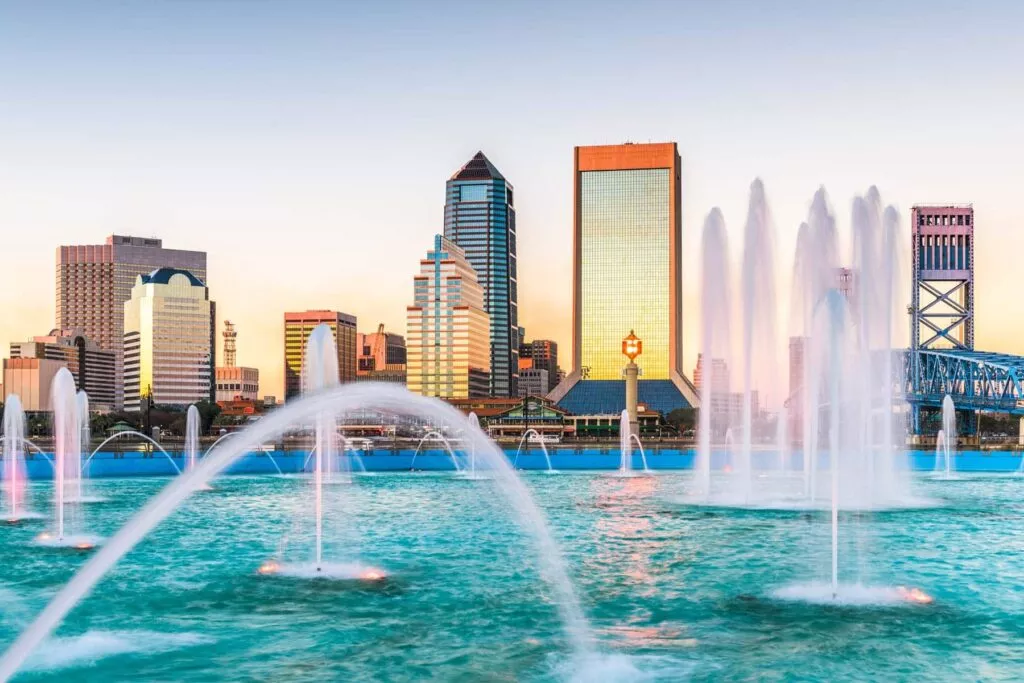
Jacksonville has an NFL team in the Jaguars, a growing food and brewery scene, the Cummer Museum, a riverfront downtown that is slowly redeveloping, and the largest urban park system in the country. You get the cultural baseline of a major city without paying San Francisco or Boston prices to access it. The arts are not world-class, but the breadth of what is available for the money is hard to beat.
Pro 9. Most Neighborhoods Are Safe and Family-Friendly
Despite a citywide crime rate that runs about 5 percent above the national average, the reality on the ground is that roughly 89 percent of Jacksonville neighborhoods grade out as safe. Areas like Ortega, Avondale, the Beaches, and the suburban Northside and Southside offer quiet, leafy, family-oriented living. As with any large city, the numbers are driven by a handful of specific corridors, and most residents never encounter them.
Pro 10. The Space Is Almost Unlimited
Jacksonville covers roughly 875 square miles, making it the largest city by land area in the contiguous United States. That means room to breathe. Lots are bigger, sprawl is real, and you can find a house with actual yard without driving an hour out of town. For people coming from cramped coastal cities, the sheer physical space is a revelation.
Con 1. The Summer Heat and Humidity Are Brutal
From June through September, Jacksonville is hot and swampy. Daily highs sit in the upper 80s to low 90s, but the humidity pushes the heat index past 104 degrees on a regular basis. Step outside at 2 p.m. in July and you are instantly damp. Afternoon thunderstorms roll in almost daily. Air conditioning is not a luxury here, it is survival infrastructure, and your summer electric bill will reflect that.
Con 2. Hurricane Season Is a Real Threat
Hurricane season runs June through November, with the highest risk from August to October. Jacksonville has been spared the worst direct hits that have battered other parts of Florida, but storms like Matthew and Irma brought serious flooding to low-lying and riverfront areas. Homeowners insurance is expensive and getting more so statewide, and you will need a plan for evacuations and a stocked supply kit every single year.
Con 3. The Sprawl Means You Live in Your Car
Being the largest city by area cuts both ways. Jacksonville is built for cars, and public transit is minimal and slow. Getting from the Westside to the Beaches can eat an hour. There is no walkable urban core to speak of for most residents, and daily life means driving for groceries, school, work, and everything else. If you dream of a stroll-to-the-coffee-shop lifestyle, this is not your city.
Con 4. Property Crime Is Higher Than Average
While violent crime is concentrated and most neighborhoods are safe, property crime is the genuine citywide weak spot, running roughly 24 percent above the national average for larceny and theft. Car break-ins and package theft are common complaints. It is the kind of crime that does not make you fear for your life but does make you lock everything twice and think hard about where you park.
Con 5. Downtown Still Has Not Arrived
For decades Jacksonville has promised a vibrant downtown, and for decades it has under-delivered. The riverfront is improving and there are real redevelopment projects underway, but compared to peer cities the core still empties out after work hours. If you want a dense, lively, walkable downtown with nightlife and energy, Jacksonville is a work in progress, not a finished product.
Con 6. Insurance and Other Costs Are Climbing
The flip side of cheap homes and no income tax is that Florida’s property insurance market is in turmoil. Premiums have spiked statewide, and Jacksonville homeowners are not immune. Flood insurance is a real consideration near the river and the coast. The headline affordability is genuine, but you have to budget for insurance costs that can blow past what newcomers expect, sometimes adding hundreds of dollars a month.
A Closer Look at the Numbers and Neighborhoods
It helps to put the money side together in one place. A household earning the national median can live comfortably in Jacksonville in a way that is increasingly impossible in coastal metros. With a cost of living index around 95, no state income tax, and a property tax rate near 0.89 percent on a median home around 285,000 dollars, the take-home math is genuinely favorable. The 7.5 percent sales tax in Duval County is in line with the rest of Florida, and groceries running a few percent above the national average are the only everyday line item that tilts the wrong way. The real budget wildcards are summer cooling costs and homeowners insurance, both of which newcomers should research before they fall in love with a listing.
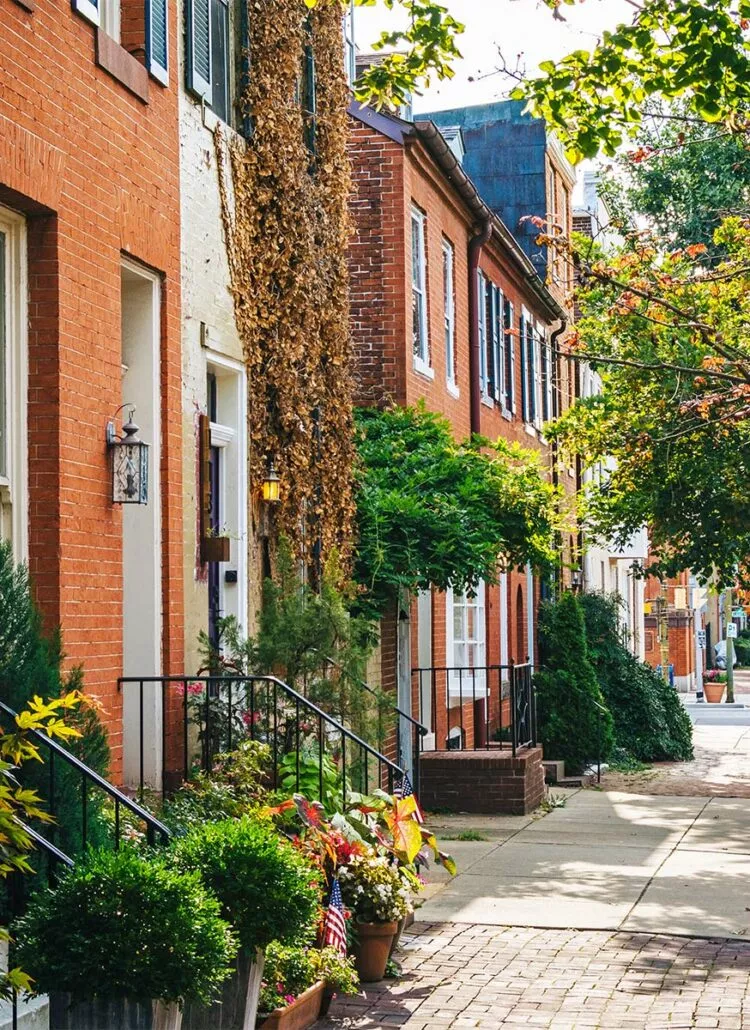
Where you land shapes the experience as much as the budget. Riverside and Avondale draw people who want historic homes, walkable blocks, and an independent restaurant and bar scene. Ortega offers some of the city’s most established, leafy streets. The Beaches communities of Jacksonville Beach, Atlantic Beach, and Neptune Beach trade a longer commute for daily access to the Atlantic. The sprawling Southside and the suburban St. Johns County line to the south attract families chasing newer construction and strong schools. Each of these feels like a different city, which is part of what it means to live in a place this physically enormous. Visiting a few of them in person, ideally in the heat of summer, tells you more than any spreadsheet will.
So, Should You Move to Jacksonville?
Jacksonville is the practical, unglamorous, financially sensible corner of Florida. It does not have Miami’s nightlife or Orlando’s theme parks, and it is not trying to. What it offers is real space, affordable homes, no state income tax, a diversified job market, and beaches you can actually reach without a tourist markup. For families, remote workers, and retirees who want Florida without the Florida price tag, it is one of the best values in the state.
If you want affordable square footage, a short hop to the Atlantic, and a tax bill that stays low, Jacksonville delivers in a way few large cities can. If you need walkability, mild summers, a buzzing downtown, or freedom from car dependence, you should weigh the cons honestly and visit in August before you commit.
One last practical note worth weighing: the commute. Because Jacksonville is so spread out, your daily drive depends heavily on pairing where you live with where you work, and getting that pairing wrong can mean an hour each way through the city’s car-centric grid. The flip side is that highway infrastructure is decent and you are rarely sitting in the kind of gridlock that defines Atlanta or DC.
It is not paradise and it is not a cautionary tale. It is a big, spread-out, affordable Southern city with real coastline and a few real headaches. Go in clear-eyed, pick your neighborhood with intention, and most people end up glad they made the move.
Yes. Jacksonville’s cost of living index sits around 95, below the national average, and the median home price is about 285,000 dollars, which is remarkably affordable for a major Florida metro with beach access. Combined with no state income tax and a property tax rate near 0.89 percent, the total cost of living is one of the lighter burdens among large US cities.
Florida charges no state income tax, which is the biggest draw. You will pay a property tax with an effective rate around 0.89 percent in Duval County, helped by Florida’s homestead exemption, plus a 7.5 percent sales tax. The trade-off is rising homeowners and flood insurance costs, which can add meaningfully to your monthly housing budget.
Jacksonville has a subtropical climate with mild, sunny winters and hot, humid summers. Winter highs sit in the comfortable 60s and 70s, while summer highs reach the upper 80s to low 90s with a heat index that regularly tops 104 degrees and near-daily afternoon thunderstorms. Hurricane season runs June through November, with the highest risk from August to October.
Mostly, yes. The citywide crime rate runs about 5 percent above the national average, driven largely by property crime such as theft and car break-ins, which runs roughly 24 percent above average. Violent crime is concentrated in a few specific corridors, and about 89 percent of Jacksonville neighborhoods grade out as safe, including areas like Ortega, Avondale, and the Beaches.
Jacksonville has a diverse, stable job market anchored by healthcare and finance. The largest employers include Baptist Health with about 12,000 workers, Mayo Clinic with around 8,450, Amazon with roughly 8,000, and Bank of America with about 8,000, plus UF Health Jacksonville and Florida Blue. The city’s heavy concentration of banking and insurance operations has earned it the nickname Wall Street of the South.
- What did the guide get wrong about Jacksonville?
- What does it actually cost you to live here this year?
- What would you tell someone arriving from out of state?