Pros of Living in Cincinnati
#1. The Over-the-Rhine Revival is Remarkable
Over-the-Rhine (OTR) was one of the most dangerous neighborhoods in America in the early 2000s. Today it’s one of the most celebrated urban revitalization stories in the country. Historic Italianate buildings that were crumbling two decades ago now house craft breweries, restaurants, boutiques, and apartments.
Findlay Market, Ohio’s oldest continuously operated public market (since 1855), anchors the neighborhood. Washington Park was redesigned into a community gathering space. The transformation is real and ongoing, though it has sparked legitimate gentrification debates about who gets to benefit from the revival.
#2. Six Fortune 500 Companies Call It Home
For a city of 310,000, having six Fortune 500 headquarters is exceptional. Procter & Gamble (the world’s largest consumer products company), Kroger (the nation’s largest supermarket chain), Fifth Third Bank, Cintas, American Financial Group, and Western & Southern Financial Group all call Greater Cincinnati home.
The result is a deep white-collar job market, especially in consumer goods, finance, and corporate operations. The median household income is $52,909, which is below the national median but paired with a cost of living that’s meaningfully cheaper.
#3. Housing is Still Affordable
The median home price in Cincinnati is around $276,000, and median rent runs about $1,250 per month. The cost of living is roughly 3% below the national average, with rent specifically coming in 32% lower than the national average.
Neighborhoods like Northside, Walnut Hills, and Price Hill offer homes under $200K. Hyde Park and Mt. Lookout run higher ($350K-$500K+) but come with excellent walkability and schools. Even OTR, as revitalized as it is, remains more affordable than comparable neighborhoods in Nashville or Austin.
#4. The Food and Beer Culture is Outstanding
Cincinnati chili is an institution. Skyline, Gold Star, and Camp Washington Chili serve the city’s signature dish: a Mediterranean-spiced meat sauce served over spaghetti, topped with cheese and onions. You’ll either become a convert or wonder what everyone is talking about. Either way, you have to try it.
Beyond chili, the brewery scene is exceptional. Cincinnati was the brewing capital of America in the 1800s thanks to its German immigrant population, and that tradition has come roaring back. Rhinegeist, MadTree, Braxton, and dozens of smaller breweries make the region one of the best beer destinations in the Midwest.
Goetta (a German-inspired breakfast sausage made with oats) is the other local food obsession. If you move here, you’ll have an opinion on it within a month.
#5. Three Pro Sports Teams Downtown
The Bengals, the Reds, and FC Cincinnati all play within the city core. Great American Ball Park sits right on the Ohio River, and a summer Reds game with the river and Kentucky hills as your backdrop is one of the best settings in baseball.
FC Cincinnati’s TQL Stadium, a 26,000-seat soccer-specific venue in the West End, has won international design awards and has helped put Cincinnati on the map as a genuine soccer city. The Bengals’ Super Bowl run in 2022 unified the city in a way that felt electric.
#6. The Neighborhoods Have Distinct Identity
Cincinnati is a city of neighborhoods, each with its own personality. Hyde Park is upscale and walkable with a village-square feel. Mt. Adams sits on a hill overlooking downtown with steep streets and art galleries. Northside is creative and LGBTQ-friendly. Oakley is family-oriented with a growing restaurant strip. Covington and Newport are technically in Kentucky but feel like extensions of the city, right across the river.
The hilly terrain gives each neighborhood a physically distinct feel. Unlike flat Midwest cities where everything blends together, Cincinnati’s geography creates natural boundaries that reinforce neighborhood identity.
#7. Access to Nature and Kentucky
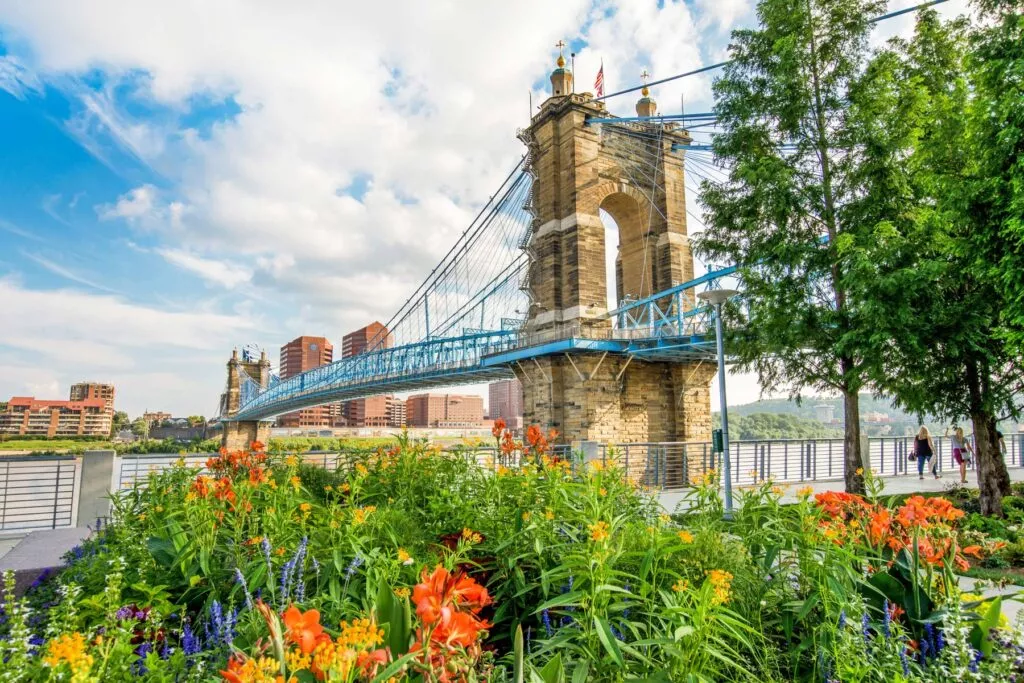
The Ohio River runs through the heart of the city, and the surrounding hills create surprisingly scenic views for a Midwest metro. Eden Park and Ault Park are standout urban green spaces. Red River Gorge, one of the best climbing and hiking areas east of the Rockies, is about 90 minutes south in Kentucky.
Northern Kentucky’s bourbon trail access, rural beauty, and small-town charm are a short drive from downtown. The cross-state dynamic gives Cincinnati a unique Southern/Midwestern blend you don’t find in other Ohio cities.
- $1,414+0.2%Zillow Observed Rent Index (city) · 2026-08tied for 24th cheapest of 106 cities
- $347k−0.8%FRED / realtor.com · 2026-0930th cheapest of 103 cities
- $249k−0.2%Zillow Home Value Index (city) · 2026-0831st cheapest of 105 cities
- 3.6%−0.1 ptBLS Local Area Unemployment Statistics · 2026-08tied for 23rd lowest of 106 cities
- AQI 52ModerateAirNow · 10/07/26tied for 61st cleanest of 105 cities
- $3.68−11.9%AAA · 2026-10-085th cheapest of 101 cities
Locals’ verdictGrade Cincinnati on cost, weather, jobs, people and safety · where it stands on our rankings
Cons of Living in Cincinnati
#1. The Poverty Rate is Stubbornly High
About 25.5% of Cincinnati residents live below the poverty line, more than double the national average of 12.5%. The median household income of $52,909 is well below the national median. While the Fortune 500 headquarters provide good jobs, the benefits don’t reach large portions of the population.
The economic divide between neighborhoods is stark. East-side neighborhoods like Hyde Park and Indian Hill are affluent. Parts of the West Side, Lower Price Hill, and areas north of downtown face deep poverty. The gap between the two Cincinnati experiences is wide.
#2. Crime Remains a Concern
Cincinnati recorded 61 homicides in 2025, down from 65 in 2024. Overall crime reports dropped from about 24,350 to 23,400. But the city’s overall crime rate still ranks among the highest in the country on a per-capita basis.
Shootings have been declining, which is encouraging. But violent crime remains concentrated in specific neighborhoods, and property crime (car break-ins, package theft) is a citywide nuisance. As with most cities on this list, where you live matters enormously.
#3. The Hills Make Everything Harder
Cincinnati is built on hills. Steep hills. This gives the city character and great views, but it also makes winter driving genuinely treacherous when ice hits. Streets get closed, accidents spike, and your daily commute can become an ordeal after a freezing rain event.
Biking as transportation is challenging in many neighborhoods because of the elevation changes. Walking in some hilly areas is a workout. It’s a minor thing for most people, but if you’re coming from a flat city, the topography is a real adjustment.
#4. Public Transit is Minimal
The Metro bus system provides basic coverage, and the Cincinnati Bell Connector streetcar runs a 3.6-mile loop through downtown and OTR. But the streetcar has been controversial (over budget, under-ridership) and doesn’t solve the broader transit problem.
Cincinnati is a car city. The highway system (I-71, I-75, I-74) handles commuting, but rush hour traffic through the I-75/I-71 corridor (the “Cut in the Hill”) is notoriously bad. A car is essential for daily life here.
#5. The Weather is Four Seasons of Gray
Cincinnati averages about 23 inches of snow per year and winter temperatures drop into the low 20s. Summers are warm and humid with highs in the mid-80s. Spring and fall are the best seasons, with moderate temperatures and fall foliage in the surrounding hills.
The bigger weather issue is the gray. Cincinnati gets a lot of overcast days from November through March. The Ohio River valley traps cloud cover, and the winters feel longer than the numbers suggest because of the lack of sunshine.
#6. Ohio River Flooding
The Ohio River regularly reaches flood stage, especially in late winter and early spring. Some riverfront areas and neighborhoods near tributary streams are flood-prone. The city has flood management infrastructure, but heavy rain events can still cause disruption.
If you’re buying property near the river or in a low-lying area, flood insurance and flood zone maps should be part of your research.
#7. The Gentrification Debate is Real
OTR’s transformation has been remarkable, but it came at a cost. Long-time residents, many of them Black and low-income, have been priced out or displaced as rents climbed. Cincinnati is roughly 49% white and 36.5% Black, and the revitalization benefits have not been evenly distributed.
This isn’t unique to Cincinnati, but the speed and visibility of OTR’s transformation make it a particularly vivid example. The city is grappling with how to balance development with equity, and that tension shapes local politics and community dynamics.
Tell the next person the thing the guide misses.
FAQ – Living in Cincinnati
For many people, yes. The combination of a strong job market (six Fortune 500 companies), affordable housing, distinct neighborhoods, and a food/beer culture that rivals much bigger cities makes Cincinnati a compelling option. The tradeoffs are poverty, crime in certain areas, and limited transit. If you pick the right neighborhood, the quality of life is excellent for the cost.
Safety varies dramatically by neighborhood. Hyde Park, Mt. Lookout, Oakley, and the northern suburbs are generally very safe. Some neighborhoods have elevated crime rates. Homicides dropped from 65 to 61 between 2024 and 2025, and shootings have been trending down. Neighborhood research is essential before choosing where to live.
Over-the-Rhine is the revitalized hotspot with restaurants, breweries, and nightlife. Hyde Park is walkable and upscale. Mt. Adams has stunning hilltop views. Northside is creative and diverse. Oakley is family-friendly with a growing restaurant scene. Covington, KY, across the river, offers city access with lower Kentucky taxes.
Cincinnati’s cost of living is about 3% below the national average. The median home price is around $276,000. Median rent is about $1,250. Rent is 32% below the national average, making it one of the more affordable mid-size cities in the country. The median household income is $52,909.
Stronger than most people expect for a city of 310,000. Greater Cincinnati is home to six Fortune 500 headquarters: Procter & Gamble, Kroger, Fifth Third Bank, Cintas, American Financial Group, and Western & Southern Financial Group. That creates a deep white-collar market in consumer goods, finance, and corporate operations. The median household income is $52,909, below the national median, but it is paired with a cost of living that runs about 3% under the national average.
Pros & Cons of Living in Cincinnati (Post Summary)
Cincinnati is a city with more depth than it gets credit for. The OTR revival, the Fortune 500 job market, the food and beer culture, and the neighborhood variety give it a genuine identity that sets it apart from other mid-size Midwest cities. The poverty, the crime, and the limited transit are real challenges, but the trajectory is positive. For people who value character, affordability, and a city that doesn’t take itself too seriously, Cincinnati is worth a hard look.
You may also be interested to read: 15 Honest Pros & Cons of Living in Ohio
Helpful Related Articles
- Pros & Cons of Living in Ohio
- Pros & Cons of Living in Chicago
- Pros & Cons of Living in Minneapolis
- Pros & Cons of Living in Nashville
- What did the guide get wrong about Cincinnati?
- What does it actually cost you to live here this year?
- What would you tell someone arriving from out of state?