First, the Pros of Living in Houston
#1. You’ll Pay No State Income Tax in Houston
Let’s kick off this list by sharing one of best things about living in Houston: Texas residents aren’t subject to state income tax.
I can’t even begin to stress how advantageous this is in the long run. I moved to Texas from Oregon, which had a variable state income tax that went as high as 9%. Essentially, I now get to keep $90 more for every $1,000 I earn.
The absence of a state income tax is a huge perk of moving to Houston. In fact, it’s one of the reasons my wife and I moved here. We were at a point in our lives where most things felt unattainable (home ownership, eating out, affordable vacations, etc.).
Like a lot of folks, we made a goal to build up our nest egg with the hopes of buying a home. We spent a year researching various cities and ultimately landed on Houston, in large part because of the lack of state income taxes.
Goes without saying: Don’t assume we aren’t expected to pay our fair share in taxes while living in Houston. Far from it, there’s still federal income taxes, property taxes, and sales taxes (8.25%) to consider.
We’ll cover the other taxes in detail shortly (because they’re steep and worth factoring in before moving to Houston).
Best Cities to Live in Texas: 10 Best Places to Live in Texas
#2. The Housing Market Is Still (Relatively) Affordable
Alright, I can already envision the hate mail getting stamped, but hear me out. First, no American city is immune from the housing crisis (save for Kentucky or something). Nobody can deny that home prices across the nation have soared to unfathomable highs.
I know this issue isn’t unique to living in Houston, but all things considered – houses in Houston are affordable. Heck, I’d bet that a lot of young couples are moving to Houston specifically to buy a home and start a family.
The median price of a home in Houston currently clocks in at $260,000, which is well below the national average of $431,000.
Better still, when considering the average salary in Houston ($67,000) the income-to-house price ratio is way more balanced than in most US cities.
Put another way: Houston’s housing costs rank as the second lowest of the top 20 most populous U.S. metro areas, coming in 19.4% below the national average. And that, my friends, is a beautiful thing.
#3. The Overall Low Cost of Living in Houston
You’re probably not surprised to learn that affordable housing goes hand-in-hand with the reasonable cost of living in Houston. But don’t just take my word for it.
Houston’s living costs are 8.3% lower than the national average. Even more impressively, the cost of living in Houston is 36.2% less when compared to the most populous cities in America. What does this mean for the average Joe?
It means you can expect everything from groceries, entertainment, and restaurants to cost less after moving to Houston.
Couple the low cost of living with lack of state income tax and you’ll instantly see why so many millennials are moving to Houston in droves.
#4. The Healthcare System Is Top-Notch
Prior to moving to Houston, I had absolutely no idea that the city was home to one of the best hospitals in the country, Houston Methodist Hospital.
Houston Methodist Hospital is a well-established leader in heart and vascular treatment, but is best known for spearheading life-changing breakthroughs in cancer treatments, neurology and organ transplantation.
After learning about the hospital, I started being less surprised when a new coworker would show up and share their reason for moving to Houston: medical treatment for a spouse or themselves.
Turns out Houston ranks as one of the top 20 best cities in America for those in need of quality healthcare.
Apart from the impressive achievements of Houston Methodist Hospital, Houston is also home to the largest medical complex in the world — Texas Medical Center (TMD). Renowned for the MD Anderson Cancer Center (world’s largest cancer hospital), TMD employs 106,000 people and sees 8 million patients per year.
#5. Houston Is a Foodie’s Paradise
Some folks are surprised to discover that Houston often ranks as one of the best foodie cities in America. Our top staple is obviously heart-stopping barbecue (the best in the country!), but we’ve mastered all aspects of the meat market like true pros.
You’ll never go hungry for quality meats – juicy cuts served alongside comforting staples like mashed potatoes and cooked veggies.
My favorite dish is the classic slow-cooked brisket, which makes my mouth water as I type this. The stuff can’t be beat, especially when it’s perfectly seasoned and falls off the bone.
If you’re looking for proof of this then venture no further than Pinkerton’s. I am not alone in saying it is the best BBQ I’ve tasted in my entire life.
#6. Diversity, Diversity, Diversity
Houston is one of the most diverse cities in the country and the benefits of diversity span the gamut. You’ll have access to top-notch cuisines, entertainment and art that you wouldn’t be able to find in more homogeneous cities.
In fact, according to data from the U.S. Census Bureau, Houston is a very diverse city. Houston has a population of over 2.3 million people, and more than one-third of those residents identify as Hispanic or Latino.
African Americans make up about 20% of the population, while Asians make up about 10%. The city also has a significant Middle Eastern population, with about 5% of residents identifying as Middle Eastern or North African.
Additionally, Houston is home to a diverse immigrant population, with residents hailing from countries all around the world. Overall, Houston’s diverse population and cultural mix make it a unique and vibrant place to live.

#7. Constant Sunshine
Texas is encapsulated in a warm climate, so if you love sunny weather, you will find life in Houston enjoyable (almost) year round.
Winters in Houston are mild, warm and sunny. Snow is very rare, which is probably the biggest reason so many people ending up retiring in Houston.
But as you can imagine, pleasant winters typically mean super-hot summers and it’s true — Texas summers are very hot and humid (we’ll cover this shortly), but I’d happily sacrifice 3 months of hot temperatures for 9 months of pure bliss.
One thing is certain, it’s easy to enjoy the great outdoors while living in Houston thanks to the blissful weather and constant sunshine.
#8. The Locals Are Genuinely Friendly
The warmth of the people is, hands down, my favorite thing about living in Houston. In fact, of all the cities my wife and I have lived in, we’ve never found it easier to make friends.
If you’re open to striking up conversations and coming out of your comfort zone, you will find that Houston is a very friendly city. People are generally laid back and are strive to live a normal, no-frills life.
#9. Texas State Pride
There’s no place like Texas and Texans take great pride in that! I’ve never lived in a place with such a strong sense of culture and unabashed self-regard.
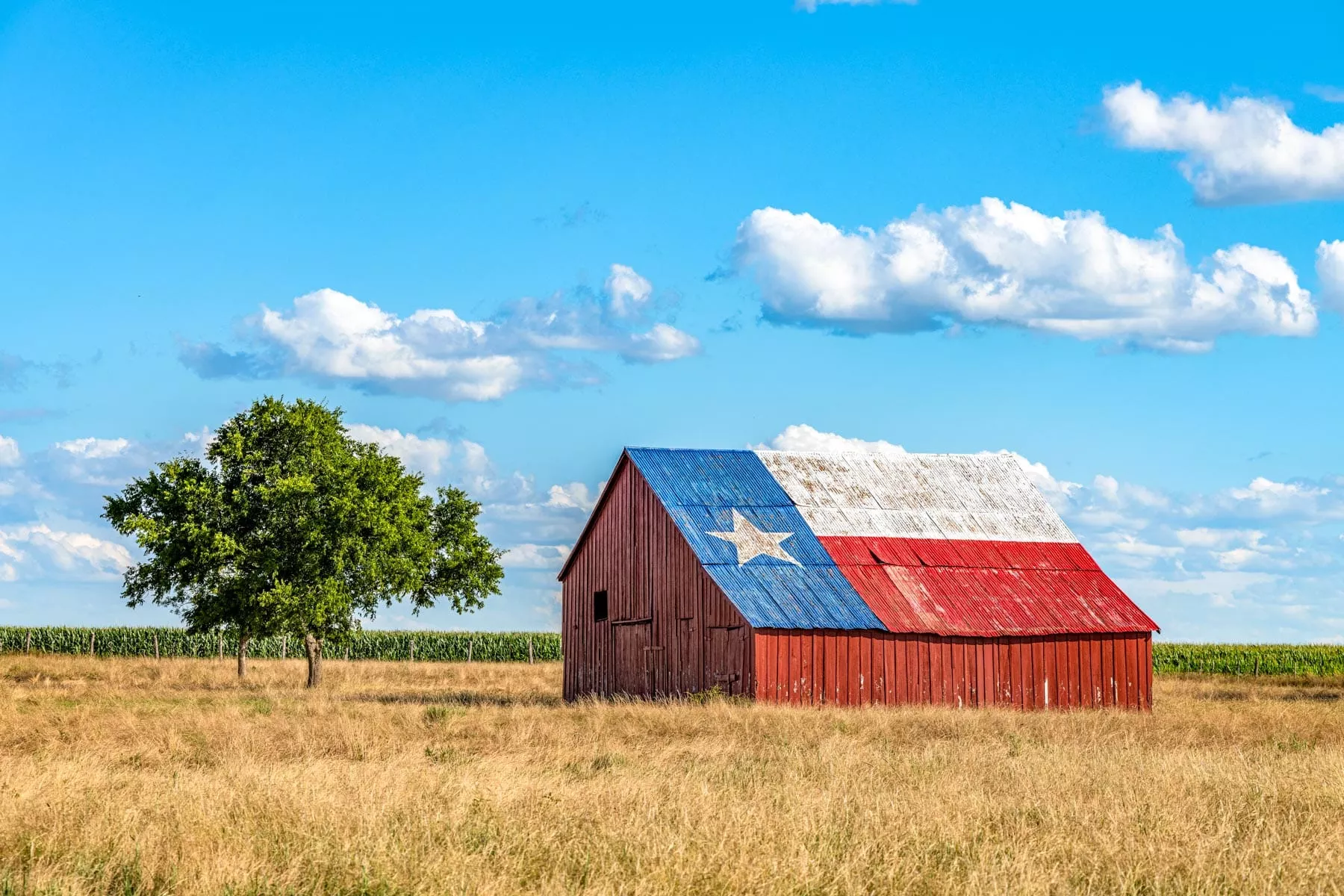
It’s not uncommon to see the Texas State flag flying high alongside (or instead of) the US flag. In many ways, Texas feels like its own country – from the vibrant and bold culture to the phenomenal festivals and entertainment. People love living in Texas and they want you to know it.
#10. Love Professional Sports? You’ll Love Living in Houston
The best professional sports teams in Houston have firmly established a place for themselves not only in the city of but also in the hearts of locals — seriously, the team loyalty is mind-boggling.
If you’re rusty on the professional sports teams in Houston, here’s a quick roundup.
- Major League Baseball’s Houston Astros,
- The National Football League’s Houston Texans,
- The National Basketball Association’s Houston Rockets,
- Major League Soccer’s Houston Dynamo,
- The National Women’s Soccer League’s Houston Dash
If you plan on visiting Houston before finalizing your decision, I highly suggest staying this (great) hotel. I recommend it to my own family and friends.
- $1,544+0.2%Zillow Observed Rent Index (city) · 2026-0940th cheapest of 106 cities
- $354k−1.4%FRED / realtor.com · 2026-0931st cheapest of 103 cities
- $259k±0Zillow Home Value Index (city) · 2026-0934th cheapest of 105 cities
- 5.0%−0.1 ptBLS Local Area Unemployment Statistics · 2026-08tied for 93rd lowest of 106 cities
- AQI 67ModerateAirNow · 10/20/26tied for 101st cleanest of 105 cities
- $3.75−1.4%AAA · 2026-10-2112th cheapest of 101 cities
Locals’ verdictGrade Houston, Texas on cost, weather, jobs, people and safety · where it stands on our rankings
Cons of Moving to Houston
#1. The Humidity & Heat Can Get to You
After moving to Houston, you’ll quickly learn that the intense summer heat is no joke, largely due to the state’s close(r) proximity to the equator.
The humidity and heat can be overwhelming and downright shocking for folks that move to Houston without doing proper research.
Most Houston residents stay inside their AC’d homes and offices 24/7 during the summer months because the heat is downright intolerable. In fact, the hottest temperature on record in Houston clocked in at 109°.
It’s not uncommon for summer highs to exceed 100°F and thunderstorms are all but guaranteed come spring. Hurricanes are also quite common in Texas and cause property damage year after year.
#2. Bugs & Pests
The worst part about the hot and humid summers while living in Houston? Mosquitoes consider it an ideal environment in which to live (and flourish), and the city itself is home to a healthy population of pests.
In fact, Houston is considered the second-worst city in the country for bug problems. It’s estimated that 1/3 of households have cockroach infestations.
To that end, you’ll need to get used to the smell of citronella candles and bug spray while living in Houston. The mosquitos are aggressive and prolific multipliers.
#3. You’ll Need A Car to Get Around
If you’re moving from a place like NYC or San Francisco then you’re in for a rude awakening in the transportation department.
This con of living in Houston probably doesn’t need much explanation. Simply put, you’ll definitely need to own a car while living in Houston because things are spread far apart and public transportation leaves much to be desired. Also, Houston residents love (big) cars, especially trucks.
Make sure to account for the cost of gas and vehicle maintenance if you’re moving to Houston from a city with decent public transportation.
#4. The Traffic Is A Nightmare
As mentioned, you’ll need a car to get around while living in Texas. And because the majority of residents living in Houston own a car, the city’s roadways, especially during peak travel times, are congested like you wouldn’t believe.
Getting from Point A to Point B at times feels like an exercise in pure aggravation.
Jokes aside, Houston is ranked the third worst in the country for traffic. It’s estimated that the average commuter spends 49 hours a year sitting in traffic, which is a hell of a lot of time.
So consider the role your commute will play in your daily life before moving to Houston.
#5. Poor Recycling Habits
Poor recycling habits may not be a big con of living in Houston for some folks, but for me it’s a hassle. I grew up in the pacific northwest where recycling is considered sport.
As such, I can’t shake the habit as an adult and constantly have piles of recycling accumulating in my home (which worsens the bug problem no doubt).
The effort required to recycle (driving it to a specific site) makes recycling a hassle. It adds a weekly errand to my to-do list that simply doesn’t seem necessary in such a large city.
As such, I wasn’t too surprised to learn that only 2.6% of waste is recycled in Houston. As a local, that number is embarrassingly low.
#6. Hurricanes Are A (Constant) Threat
One of my least favorite things about living in Houston is the constant threat of tropical storms from June through November.
Big storms tear through Houston on occasion, and some of these hurricanes have made national headlines (Hurricane Harvey 2017 and Hurricane Ike 2008 come to mind).
Hurricanes and flooding are something that cannot be avoided while living in Houston because it’s in a high-risk hurricane zone. As such, you’ll need to add flood insurance to your list of to-dos if you’re moving to Houston in the hopes of purchasing a home.
Tell the next person the thing the guide misses.
FAQ – Retiring in Houston
Is Houston a good place to live?
Houston, Texas is a large and diverse city with a thriving economy and a rich cultural scene. Boasting a booming job market and a plethora of fun things to do, you’ll be spoiled for choice while living in Houston.
Likewise, the affordable housing market and top-notch healthcare facilities made Houston an easy option for young families looking to settle down long-term. But you’ll need to be mindful of the terrible summer heat and constant hurricane threats before moving to Houston.
Overall, Houston is a good place to live for those who are looking for an affordable city with a strong job market and a diverse cultural scene.
Is Houston a good place to retire?
Between the quality healthcare, affordable housing and low cost of living, moving to Houston for retirement is a sound decision. The low cost of living is the most attractive perk for those thinking about retiring in Houston on a fixed income.
But I’d be remiss if I didn’t mention the disadvantages of retiring in Houston. The city is prone to extreme weather events, including tropical storms and hurricanes, which can affect the area during the summer and fall months.
Is marijuana legal in Houston?
No, marijuana is not legal for recreational use in Houston, Texas. Under Texas state law, possession of marijuana is a criminal offense, and it is illegal to use, sell, or cultivate marijuana in the state.
However, Texas has a limited medical marijuana program, which allows patients with certain qualifying conditions to use low-THC cannabis products with the recommendation of a licensed physician.
What are the best neighborhoods in Houston?
- Montrose: Located just west of downtown, Montrose is known for its vibrant arts and culture scene, with numerous galleries, studios, and music venues. It is also home to many restaurants, cafes, and bars, making it a popular destination for foodies.
- River Oaks: Located west of downtown, River Oaks is an upscale neighborhood known for its beautiful mansions and tree-lined streets. It is home to many exclusive shops and restaurants, and it is a popular destination for high-end shopping and dining.
- West University: Located just southwest of downtown, West University is a family-friendly neighborhood known for its excellent schools and quiet, residential streets. It is home to many parks, playgrounds, and recreational facilities, making it a great place for families with children.
- The Heights: Located just northwest of downtown, The Heights is a trendy neighborhood known for its historic homes, boutique shops, and vibrant nightlife. It is home to many popular restaurants, bars, and music venues, and it is a popular destination for young professionals.
- Upper Kirby: Located just southwest of downtown, Upper Kirby is a trendy neighborhood known for its shopping and dining options. It is home to many high-end shops, restaurants, and cafes, and it is a popular destination for those looking for a more upscale experience.
Most Popular Neighborhoods in Houston
| Neighborhood | Median Home Price | Median Resident Salary | Miles from Downtown |
|---|---|---|---|
| Montrose | $375,000 | $75,000 | 3.5 |
| River Oaks | $1,450,000 | $178,000 | 5 |
| West University | $750,000 | $119,000 | 6 |
| The Heights | $500,000 | $73,000 | 5.5 |
| Upper Kirby | $550,000 | $109,000 | 3 |
| Bellaire | $600,000 | $123,000 | 10 |
| Sugar Land | $375,000 | $105,000 | 20 |
| Memorial | $700,000 | $135,000 | 15 |
| Spring | $295,000 | $85,000 | 25 |
| Pearland | $350,000 | $104,000 | 20 |
Pros & Cons of Living in Houston (Post Summary)
In sum, here’s a quick roundup of the honest pros and cons of living in Houston, Texas.
- There’s no state income tax
- The housing market is still (relatively) affordable
- The overall low cost of living in Houston
- The healthcare system is top-notch
- Houston is a foodies paradise
- The city is diverse
- Constant sunshine
- The locals are genuinely friendly
- Texas state pride
- Love professional sports? You’ll love living in Houston
- The humidity and heat can get to you
- Bugs + pests
- You’ll need a car to get around
- The traffic is a nightmare
- Poor recycling habits
- Hurricanes are a threat
Comments about living in Houston, Texas? Let us know your two cents below. We love to hear from you. Cheers!
Pin Moving to Houston
Further Reading for Texas
Living in Texas: 15 Honest Pros & Cons of Living in Texas
Best Cities to Live in Texas: 10 Best Places to Live in Texas
Best Cities to Retire in Texas: 10 Best Places to Retire in Texas
Living in Austin: 15 Honest Pros & Cons of Living in Austin
Best Neighborhoods in Austin: 10 Best Neighborhoods to Live in Austin
Austin vs Portland: Living in Austin, Texas vs Portland, Oregon
Living in San Antonio: 15 Honest Pros & Cons of Living in San Antonio
Living in Dallas: 15 Honest Pros & Cons of Living in Dallas
Life in Other Parts of the South
Living in Georgia: 15 Honest Pros & Cons of Living in Georgia
Living in Mississippi: 15 Honest Pros & Cons of Living in Mississippi
Living in Arkansas: 15 Honest Pros & Cons of Living in Arkansas
Living in Tennessee: 15 Honest Pros & Cons of Living in Tennessee
Living in Florida: 15 Honest Pros & Cons of Living in Florida
Living in Alabama: 15 Honest Pros & Cons of Living in Alabama
The Houston Update for 2026
Update from The Honest Local, September 2026: everything from here down was added after the original local wrote this guide, with a source for each figure.
Texas homeowners insurance now averages $4,644 a year on a $300,000 house, against $2,808 nationally. That single line has done more to change the Houston math than anything else on this page. Here’s what’s actually different in Houston right now, as of September 2026.
- Housing got cheaper, not pricier. The median listing price across the Houston metro was $353,995Median listing price, realtor.com via FRED, September 2026. Updates itself when the source does. in September 2026 (Realtor.com data via the St. Louis Fed). Rent held steady too. Zillow’s rent index puts the typical Houston rent at $1,544Typical rent, Zillow, September 2026. Houston, TX (city). Updates itself when the source does. a month, up 0.2% from the month beforeTypical rent, Zillow, September 2026. Houston, TX (city). Updates itself when the source does.. Renters here have not had that kind of leverage in a decade.
- Property taxes got a real cut, and it still is not enough. Texas voters approved all 17 constitutional amendments on the November 4, 2025 ballot, and the school district homestead exemption now stands at $140,000, with another $60,000 stacked on top for homeowners 65 and older (Texas Comptroller, 2026). That is a genuine break. Texas still runs an effective property tax rate of 1.40% of owner-occupied home value (Tax Foundation, 2026), which is where the no-income-tax money comes back out of your pocket.
- Home insurance is the line item that got ugly. The average Texas homeowners policy at $300,000 of dwelling coverage now runs $4,644 a year, against a national average of $2,808 (Insurify, updated August 31, 2026). That is the single biggest cost surprise for people moving here from a low-risk state, and it does not show up in any cost-of-living index.
- Texas banned most THC products. As of July 31, 2026 the state put hemp-derived tetrahydrocannabinols back on Schedule I, which shut down the gas-station THC market that had been legal since 2019. Smokable hemp went first, on March 31, 2026. Going the other direction, HB 46 in 2025 widened the medical Compassionate Use Program to cover chronic pain, PTSD, cancer, Crohn’s and traumatic brain injury, and added patches, lotions and inhalers. Over 135,000 patients were registered by the end of 2025.
- The storms are back after a quiet 2025. The 2025 Atlantic season ended without a single hurricane landfall anywhere in the United States, the first time that had happened since 2015. Then Tropical Storm Arthur came ashore near Galveston on June 17, 2026, killed four people and did more than $1 billion in damage, and Tropical Storm Bertha crossed the Texas and Louisiana line on July 23, 2026. Neither was a hurricane. Both flooded people out anyway.
The short version of all that. Houston in 2026 is cheaper to rent in, slightly cheaper to buy in, meaningfully cheaper to be taxed in, and more expensive to insure than it has ever been. Here are the numbers side by side.
| What it costs | Houston or Texas | National | Source and month |
|---|---|---|---|
| Median listing price | $353,995Median listing price, realtor.com via FRED, September 2026. Updates itself when the source does. | $424,500 | Realtor.com via FRED, September 2026 |
| Median rent | $1,544Typical rent, Zillow, September 2026. Houston, TX (city). Updates itself when the source does. | — | Zillow rent index, September 2026 |
| Home insurance, $300k dwelling | $4,644 | $2,808 | Insurify, Aug 2026 |
| State income tax | None | Varies | Tax Foundation, 2026 |
| Effective property tax rate | 1.40% | Varies | Tax Foundation, 2026 |
| Cost of living index | 90.8Cost of living index, MERIC, second quarter of 2026. housing 77.2. Updates itself when the source does. (Texas) | 100 | MERIC, second quarter of 2026 |
| Unemployment rate | 5.0%Unemployment rate, BLS, August 2026. Preliminary. Updates itself when the source does. (Houston metro) | 4.1% | BLS, August 2026 |
Cost of Living in Houston
Houston runs about 6% cheaper than the national urban average. The Bureau of Economic Analysis uses a different yardstick, the whole country instead of its cities, and on its 2024 metro parities Houston lands at 98.6 overall. Both say Houston is a little cheaper than the country overall. Where they split is rent.
Buying is where Houston wins big. Zillow’s typical home value inside the city is $259,465Typical home value, Zillow, September 2026. Houston, TX (city). Updates itself when the source does. as of September 2026, against $366,157Typical home value, United States, Zillow, September 2026. Updates itself when the source does. nationally, so a Houston house costs about 29% less than an American one. The metro’s median listing price is $353,995Median listing price, realtor.com via FRED, September 2026. Updates itself when the source does. against $419,250Median listing price, United States, realtor.com via FRED, September 2026. Updates itself when the source does., about 15% under. In-town rent lands closer to the national figure than the citywide index does. The typical renter here hands over 32.1% of income to the landlord (Census, 2020 to 2024), and 30% is the line where the housing people start saying burdened.
The rest of the monthly bill. Gas is cheap here. Residential electricity ran 15.9 cents a kilowatt hour across Texas in July 2026 against 18.3 nationally (EIA), and you will use every one of those kilowatt hours from May through October. Texas property tax runs an effective 1.40%, and Houston’s own median bill is $4,198 a year on a 1.51% effective rate (Census, 2020 to 2024).
Cost of living by suburb, Houston and the places people actually move to
Nobody moves to “Houston.” They move to a side of it.
| Place | Miles, straight line | Typical home | Typical rent | Population 2024, change since 2020 |
|---|---|---|---|---|
| Houston | 0 | $261,700 | $1,542 | 2,390,125 (+3.9%) |
| Pasadena | 15 | $218,900 | $1,378 | 149,617 (-1.6%) |
| Humble | 17 | $253,300 | $1,596 | 16,561 (-1.3%) |
| Conroe | 40 | $312,900 | $1,561 | 114,581 (+27.4%) |
| Katy | 28 | $331,800 | $1,971 | 27,741 (+26.9%) |
| Missouri City | 17 | $333,300 | $2,117 | 78,582 (+5.8%) |
| Tomball | 28 | $357,400 | $1,820 | 15,152 (+22.9%) |
| Spring | 21 | $363,200 | $1,795 | unincorporated |
| League City | 24 | $373,600 | $1,838 | 118,456 (+3.6%) |
| Pearland | 14 | $380,800 | $1,898 | 129,620 (+3.0%) |
| Cypress | n/a (postal area) | $401,600 | $2,043 | unincorporated |
| Sugar Land | 20 | $442,300 | $2,032 | 109,851 (-1.1%) |
| Friendswood | 20 | $458,200 | $2,271 | 41,291 (+0.6%) |
| Fulshear | 31 | $499,200 | $2,124 | 54,629 (+227.1%) |
| Bellaire | 7 | $1,177,000 | $2,815 | 17,439 (+1.4%) |
Fulshear tripled its population in four years and is now the priciest suburb on the list short of Bellaire. Sugar Land is one of three places on the table that shrank, and it’s still $442,300. Conroe and Katy both grew about 27% while staying in the low $300,000s, and that’s where the new-build families went.
Where to Live in Houston, by Who You Are
What area did you choose? We’re coming from Southern California because af a job and we’re a bit overwhelmed on where exactly to go!
Nicole, in the thread below, July 2023
Families with kids
You’ll end up west, north or south, in a master-planned suburb, and you’ll know it within a week of house hunting. Katy is 28 miles west at $331,800 a typical home, Katy ISD rated B by the state in 2025, and the little incorporated city at its center grew 27% in four years. Cypress, northwest and unincorporated, is $401,600 and rents at $2,043, Cy-Fair ISD rated B, one of the higher rents on the table, which tells you who’s competing for it. The Woodlands, 30 miles north, is the big master-planned one, Conroe ISD rated B, and Spring below it looks to The Woodlands for jobs, not downtown. Pearland is south, newer construction with a drive north every morning, at $380,800, Pearland ISD rated A. League City, southeast toward the bay, is $373,600 in Clear Creek ISD, rated B. Whichever you pick, drive the commute at half past seven on a weekday morning before you sign, because a 28-mile line on a map is not a 28-minute drive.
Retirees
Two things make Houston a real retirement option and one thing argues against it. The second is tax. A Houston August is hard on anyone and harder at 70, and the humidity doesn’t care how nice the golf course is.
People in their 20s
Stay inside the loop. Montrose is the closest Houston gets to a neighborhood you can walk, and it’s where the galleries, bars and bungalows are. The Heights is old bungalows and a bike trail, for people who wanted Montrose with a yard attached. Upper Kirby is the mid-rise version, restaurants downstairs and the freeway five minutes away. Rent in-town runs above the citywide number, $1,948 in the Heights and $1,679 in Montrose. The job market added jobs at 1.3% a year as of August 2026, 14th of 106 cities, though unemployment sat at 5.0%Unemployment rate, BLS, August 2026. Preliminary. Updates itself when the source does. in August 2026, the highest of the four Texas cities in the table at the end. You will own a car, even in Montrose, and you will pay to park it.
Remote workers
If nobody needs you downtown, the whole table opens up and the cheap end gets interesting. Conroe, 40 miles out at $312,900, is the cheapest house on the table outside 20 miles. Pasadena at $218,900 and Humble at $253,300 are the cheapest houses within 20 miles of downtown, and Pasadena’s $1,378 rent is the only one on the table under the city’s. If you fly for work, Humble is 4 miles from Bush Intercontinental and Spring 6, Conroe 25, while Pearland is 7 miles from Hobby and Pasadena 8, straight-line like the rest of the table.
Whichever of the four you are, here’s Mark, three years in.
I’ve been living in Houston for three years and have to say this is a pretty fair assessment. Texas is an easy place to adjust to. I feel like I found my long term home.
Mark
Mark Stricker, in the thread below, February 2023
Is Houston Safe?
The FBI’s 2025 figures for the Houston Police Department put violent crime at 888Violent crime rate, FBI, 2025. Updates itself when the source does. per 100,000 residents and property crime at 3,837Property crime rate, FBI, 2025. Updates itself when the source does., against 349 and 1,813 for Texas as a whole. Both rates fell hard from 2024, when violent crime ran 1,154 and property crime 4,325. The crime locals actually talk about is the kind that happens to your car, and the numbers back them up. HPD logged 12,516 motor vehicle thefts in 2025, a rate of 519 per 100,000 against 251 for Texas and 200 for the country, and that rate is down 26% from 2024. Jabez’s post about Costco parking lots is down in the thread, and Beester added the part Jabez left out.
In addition to car theft, there is also jugging going on where you go to the bank and they follow you home or follow you to your next destination and they rob you or steal from your car so don’t be a dummy and leave money in your car!
Beester, in the thread below, May 2025
The suburbs police themselves, or in Cypress, Spring and The Woodlands answer to the county sheriff, and most of their 2025 numbers sit far below the city’s.
| Place | Violent crime per 100,000, 2025 | Who polices it |
|---|---|---|
| Fulshear | 45 | Fulshear PD |
| League City | 60 | League City PD |
| Sugar Land | 73 | Sugar Land PD |
| Pearland | 82 | Pearland PD |
| Friendswood | 82 | Friendswood PD |
| Katy | 123 | Katy PD |
| Bellaire | 137 | Bellaire PD |
| Missouri City | 151 | Missouri City PD |
| Unincorporated Montgomery County (The Woodlands) | 155 | Montgomery County Sheriff |
| Conroe | 263 | Conroe PD |
| Unincorporated Harris County (Cypress, Spring) | 316 | Harris County Sheriff |
| Tomball | 345 | Tomball PD |
| Texas | 349 | every agency |
| Pasadena | 436 | Pasadena PD |
| Humble | 847 | Humble PD |
| Houston | 884 | Houston PD |
Sugar Land, League City, Pearland and Friendswood run under a quarter of the Texas rate, and Humble runs close to the city’s. Look at the specific street at night before you rent or buy it, and use the table above to pick the suburbs and HPD’s crime statistics by beat to check streets inside the city.
Moving to Houston, the Checklist
The stuff nobody writes about and everybody Googles. Everything here comes from official Texas, Harris County and FEMA pages, checked September 25, 2026, and the links go to the source so you can see if a fee has moved. The car comes before the license on purpose, because the state wants to see the car registered first.
- Your car. You have 30 days to register it. Harris, Fort Bend, Brazoria, Galveston and Montgomery counties all require a passing emissions inspection first, plus a $2.75 state emissions fee at registration on top of what the station charges. You’ll need Texas insurance at the state minimum of $30,000 per injured person, $60,000 per accident and $25,000 property damage, and then you register at the county tax assessor-collector’s office with Form 130-U. The state fee is $51.75, counties add up to $31.50, plus a $7.50 inspection replacement fee and a $4.75 processing fee, and new residents pay a $90 new resident tax or the difference between your old state’s sales tax and Texas’s. Fully electric cars pay an extra $200 a year. (TxDMV, New to Texas and register your vehicle).
- Your driver license. You can drive on your old state’s license for 90 days after you move. To swap it, you surrender the old one, and if you’re 18 or older with a valid license you skip the written and driving tests. A new license is $33 and lasts eight years. Bring proof of identity, proof of citizenship or lawful presence, your Social Security number, proof of Texas residency, and proof of registration and insurance for every car you own, and book the appointment first, since the offices work by appointment. (Texas DPS, Moving to Texas, how to apply and fees).
- Income tax.
- Property tax, and the form that saves you money. File a residence homestead exemption with your county appraisal district as soon as you’ve moved in. Harris County is HCAD, and Fort Bend, Brazoria, Galveston and Montgomery each have their own. The general deadline is before May 1, and bills have to be paid by the end of January (Harris County Tax Office). The exemption takes $140,000 off the value your school district taxes, and homeowners 65 and older get another $60,000. (Texas Comptroller, property tax exemptions, the Comptroller’s Property Tax Basics and HCAD’s first-time owner page).
- Flood and insurance, before you make an offer. (FEMA Flood Map Service Center).
- Your electricity. Houston sits in the deregulated part of Texas, so nobody assigns you a power company. You pick a retail electric provider yourself, and the place to compare plans is Power to Choose, the Public Utility Commission of Texas’s own site. Do it before move-in day.
- Voting. Register by the 30th day before an election, and the deadline for each one is posted on VoteTexas.gov.
Houston vs Dallas, Austin and San Antonio
Everyone weighing Houston is weighing it against one of the other three, so here they are on the same figures, city against city, with the metro used where that’s the only number that exists.
| Houston | Dallas | Austin | San Antonio | |
|---|---|---|---|---|
| Prices vs US (100), metro | 98.6 | 103.1 | 98.1 | 94.7 |
| Housing costs vs US (100), metro | 104.5 | 117.9 | 120.4 | 94.6 |
| Typical home, city | $261,700 | $305,800 | $497,400 | $247,500 |
| Typical rent, city | $1,542 | $1,591 | $1,586 | $1,386 |
| Median listing price, metro | $359,000 | $425,000 | $450,000 | $324,000 |
| Unemployment, July 2026 | 5.1% | 4.6% | 4.0% | 4.7% |
| Job growth, year to August 2026 | +1.3% | +1.0% | +1.2% | +0.5% |
| Violent crime per 100k, 2025 | 884 | 577 | 422 | 532 |
| Property crime per 100k, 2025 | 3,828 | 3,077 | 3,099 | 3,917 |
| Effective property tax (Census) | 1.51% | 1.58% | 1.45% | 1.75% |
| Median property tax bill | $4,198 | $5,075 | $8,024 | $4,122 |
| Population change, 2020 to 2024 | +3.9% | +1.7% | +3.3% | +6.4% |
| Average commute | 27.2 min | 25.7 min | 23.7 min | 24.5 min |
| Regular gas | $3.92 | $3.90 | $3.87 | $3.83 |
Against Dallas.
Against Austin. This is the one people ask about and the answer is money. What Austin buys with that is the lowest unemployment of the four at 4.0% and the shortest commute at 23.7 minutes. Rents are a wash on Zillow’s city index, $1,586 there to $1,542 here, even though the BEA’s metro parity says Austin housing costs more. A renter can try Austin for close to the price of Houston. A buyer can’t.
Against San Antonio. The cheapest of the four on prices, 94.7 overall and 94.6 on housing, with a $247,500 typical home and $1,386 rent, and it grew fastest, 6.4% in four years. The property tax rate is the highest on the table at 1.75%, though on a cheaper house the median bill comes out lowest. San Antonio is the right answer for someone who wants Texas at the lowest possible price and doesn’t need a Houston paycheck.
Questions people ask about Houston, Texas
What do I need to do when I move to Houston?
Register the car first, because the state wants to see that before it gives you a license. You have 30 days to register it at the county tax office with Form 130-U, a passing emissions inspection and Texas insurance. Then swap your license within 90 days, $33 for eight years, tests waived if your old one is valid. File a homestead exemption with your county appraisal district as soon as you close. The checklist above has the fees and the links.
Is Houston cheaper than Dallas, Austin and San Antonio?
Cheaper than Dallas and Austin, pricier than San Antonio. On the BEA’s 2024 metro parities Houston sits at 98.6 against Dallas at 103.1 and Austin at 98.1, with San Antonio the cheapest at 94.7. The gap shows up in houses. A typical Houston home was $261,740 in August 2026 against $305,765 in Dallas and $497,418 in Austin, while San Antonio was $247,453. Rents in the four cities land within $200 of each other. The comparison table above has every row.
Where in Houston should I live?
It depends on who you are. Families end up in Katy, Cypress, The Woodlands, Pearland or Sugar Land. Retirees do well near the Medical Center or in Sugar Land and Missouri City. If you’re in your 20s, stay inside the loop in Montrose, the Heights or Upper Kirby. Remote workers can chase the cheap end, Conroe, Pasadena or Humble. Whichever you pick, drive the commute at half past seven on a weekday before you sign anything.
Figures marked with a dotted line update themselves from BLS, FBI, MERIC, Zillow and realtor.com via FRED. Last checked October 21, 2026.
Locals in Houston split sharply between people who settled in for good and those unnerved by crime. Longtime residents point to the diversity, the mild winters, and neighborhoods like the Heights that light up for the holidays, and some call Texas an easy place to put down roots. But the recurring warning across the thread is car theft, with people describing Costco lots as a favorite target and warning newcomers about “jugging,” where thieves follow you home from the bank.
A newcomer skimming the pros might not expect how often safety comes up as the deciding factor, since posters frame theft as something you should simply plan around rather than something police can stop. Weather barely bothers people who’ve been there long term, and several transplants from Southern California say the adjustment is more about bugs and heat than anything else.
“its very diverse, and it has a chinatown and a india town”
skibidi toilet Reader
“Houston is a haven for car thieves, especially at Costco parking lots.”
Jabez Reader
“there is also jugging going on where you go to the bank and they follow you home”
Beester Reader